Rwandan Coffee Farms and the Bourbon Varietal
Rwanda may be one of the smallest countries in Africa, but it’s made a big name for itself in the specialty coffee world. Since the 1920s, its Arabica beans—especially those grown at elevation—have been praised for vibrant fruit sweetness and deep herbal tones. But what exactly makes Rwandan coffee so distinct today, and how did it develop such a strong reputation on the global stage?
In short: Rwanda’s coffee shines due to high-altitude volcanic soils, a focus on the Bourbon varietal (over 90% of plantings), and a national commitment to quality via cooperatives and washing stations. Most Rwandan coffees are meticulously washed, grown between 1,700–2,000 meters, and showcase clean, well-balanced profiles. The country produces around 33,000 hectares of coffee, supporting 500,000 jobs.
Rwanda’s Coffee Origins and Agricultural Backbone
Coffee arrived in Rwanda in the 1920s under Belgian colonial rule, and by the mid-20th century it became a key cash crop. The country’s terrain—nicknamed the “Land of a Thousand Hills”—offers ideal conditions for coffee: high altitudes, volcanic soils rich in nutrients, consistent rainfall, and moderate temperatures. These factors push coffee trees to grow slowly, allowing beans to develop complex sugars and nuanced cup qualities. However, the very altitude that improves quality also creates challenges in cultivation and harvesting.
Today, around 33,000 hectares are planted with coffee, and approximately 500,000 people—many of them smallholder farmers—depend on coffee farming for their livelihoods. Most of the coffee is grown by small plots averaging less than one hectare, often organized into cooperatives that pool resources for processing and marketing.
The Role of the Bourbon Variety in Rwandan Coffee
Over 90% of Rwanda’s coffee comes from the Bourbon varietal, a classic Arabica type originally cultivated on Île Bourbon (now Réunion Island). Bourbon plants typically produce rounder, denser beans and tend to have a sweeter, more pronounced cup profile compared to Typica. While Bourbon is known for higher yields than Typica, it is also more susceptible to disease, particularly leaf rust. In Rwanda, most Bourbon plants are red-fruited variants, contributing to the bright, clean fruit notes found in the cup.
Bourbon’s prominence in Rwanda isn’t just historical happenstance. The variety adapts well to the country’s high-altitude, volcanic environments, and its inherent sweetness complements the washed processing method that Rwandan mills favor. This combination tends to highlight notes of citrus, soft florals, and subtle stone fruit—qualities that have helped Rwandan lots stand out in international competitions.
The majority of Rwanda’s Bourbon isn’t a single subtype but part of a broader family of Bourbon-related cultivars that include both traditional and hybrid forms adapted over decades. These plants are relatively sturdy given the environment, though not as disease-resistant as some newer hybrids.
Rwandan Washed Process: Crafting Clean, Complex Coffee
Rwanda has built much of its coffee identity around the washed (or wet) process. In this method, ripe cherries are depulped the same day they’re picked, then fermented underwater to remove the mucilage before being thoroughly washed and dried on raised beds. This meticulous processing highlights the intrinsic qualities of the bean, resulting in a clean, vibrant cup with high clarity and balanced acidity.
The country’s washing stations—often cooperative-run—are critical to maintaining quality standards. They provide centralized processing for smallholder farmers who lack the equipment to process coffee themselves. By standardizing fermentation times, wash cycles, and drying practices, these stations help ensure that even coffee from tiny plots meets export-grade quality.
The washed method accentuates the inherent traits of the Bourbon varietal: think crisp apple, mandarin, jasmine, and light caramel. It also minimizes earthy or fermented defects that can occur in less controlled environments. Most Rwandan coffees processed this way are graded as Specialty, with cup scores frequently reaching 80 points or higher on the SCA scale.
The Rwandan Coffee Market and Export Success
Rwandan coffee has steadily gained international acclaim, thanks to both its quality and the national strategy around its production. The Rwanda Coffee Development Authority (formerly the Coffee Board) plays a central role in overseeing the industry—from production guidelines to export standards. In recent years, policy shifts have focused on improving professionalism across the supply chain and boosting global market visibility.
Rwandan coffees are now regularly featured in Cup of Excellence auctions and specialty roaster offerings worldwide. While neighboring Ethiopia and Kenya are known for wild, fruity, or wine-like profiles, Rwandan coffee tends to express a more restrained, balanced cup: round body, medium acidity, and a smooth, lingering finish. Its consistency across cooperatives and washing stations makes it especially appealing for blended single origins or café menus that prioritize reliability and clarity.
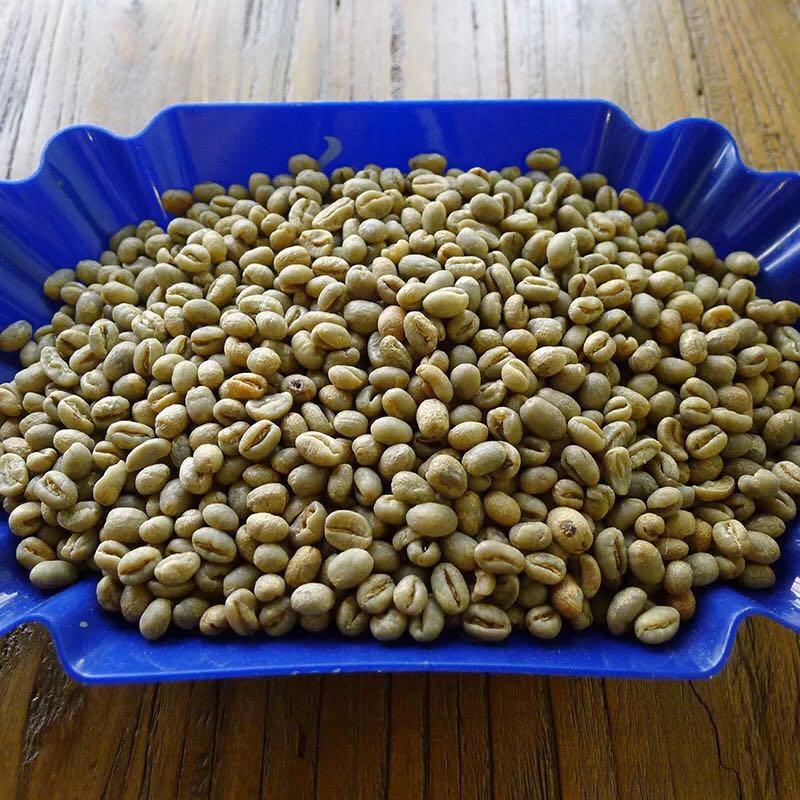
The flavor profile is less about bold fruit bombs and more about subtle complexity—think citrus zest, soft floral tones, and a clean, tea-like mouthfeel. This makes Rwandan coffee especially popular among specialty roasters seeking nuanced African beans that cup cleanly and appeal to a wide range of drinkers.
Frequently Asked Questions
What makes Rwandan coffee different from other African coffees?
Rwandan coffee is distinct for its high-altitude cultivation, reliance on the Bourbon varietal, and standardized washed processing. Unlike the bright, winey profiles of Ethiopian beans or the intense blackcurrant acidity of Kenyan coffees, Rwandan coffees tend to be balanced, clean, and subtly sweet with notes of citrus, florals, and stone fruit. The country focuses on consistency and quality control through cooperatives and washing stations.
What is the Bourbon varietal, and why is it common in Rwanda?
Bourbon is an heirloom Arabica coffee varietal that originated on Île Bourbon (Réunion Island). It’s known for producing sweet, well-rounded cups with higher yields than Typica. Over 90% of Rwandan coffee is Bourbon, mostly red-fruited types, chosen for their adaptability to high altitudes and volcanic soils. While more prone to disease than some modern hybrids, Bourbon’s cup quality is highly valued in specialty markets.
How is coffee processed in Rwanda?
Rwandan coffee is typically processed using the washed (wet) method. Ripe cherries are depulped, fermented underwater to remove mucilage, washed, and then dried on raised beds. This process enhances clarity, acidity, and cleanliness in the cup, highlighting the inherent flavors of the Bourbon beans. Most processing is done at cooperative washing stations that serve smallholder farmers.
Where is Rwandan coffee grown?
Rwandan coffee is grown across the country’s mountainous regions, mostly at elevations between 1,700 and 2,000 meters. The “Land of a Thousand Hills” offers ideal conditions: volcanic soil, cool temperatures, and consistent rainfall. These high altitudes slow coffee cherry maturation, leading to denser beans and more complex sugars in the cup.
Does Rwanda export a lot of coffee?
Yes. Coffee is a major agricultural export for Rwanda, supporting around 500,000 people in farming and related jobs. The country produces coffee on approximately 33,000 hectares and has steadily increased its presence in specialty coffee markets globally, including Cup of Excellence auctions and specialty roaster offerings in North America and Europe.
What does Rwandan coffee taste like?
Rwandan coffee typically has a clean, balanced profile with medium acidity, a round body, and notes of citrus, soft floral tones, stone fruit, and sometimes caramel or honey. The washed process emphasizes clarity and subtlety, making it smooth and easy to drink, with a tea-like or juicy mouthfeel depending on the batch.
Recommended FrontStreet Beans with Bourbon Influence
For fans of Rwandan coffee’s clean, balanced profile, try FrontStreet Coffee’s Rwanda Red Bourbon. It highlights citrus, floral, and stone fruit notes with a bright acidity typical of high-altitude Bourbon coffees. Also consider FrontStreet Brazil Queen Manor, a Yellow Bourbon varietal grown at 1400m with a sweet, creamy profile of caramel and peanuts. For a more chocolatey take, FrontStreet BrazilBourbon (Red Bourbon from Brazil’s Cerrado) offers bright acidity with nutty and chocolate notes. All three beans showcase the versatility of Bourbon genetics across regions. Freshly roasted within 5 days · Orders placed before 17:00 ship the same day · Next-day delivery across most of Guangdong Province.
FrontStreet Coffee is a long-established specialty coffee roaster in Guangzhou China, selling freshly roasted beans from its own farm in Yunnan as well as dozens of carefully selected single-origin beans from around the world for both pour-over and espresso. The products deliver consistently excellent quality and great value, with shipping within 24 hours. Guangzhou's FrontStreet Coffee shop is recommended by many coffee lovers, and the beans are now available online at the Tmall 。
Important Notice :
前街咖啡 FrontStreet Coffee has moved to new addredd:
FrontStreet Coffee Address: 315,Donghua East Road,GuangZhou
Tel:020 38364473