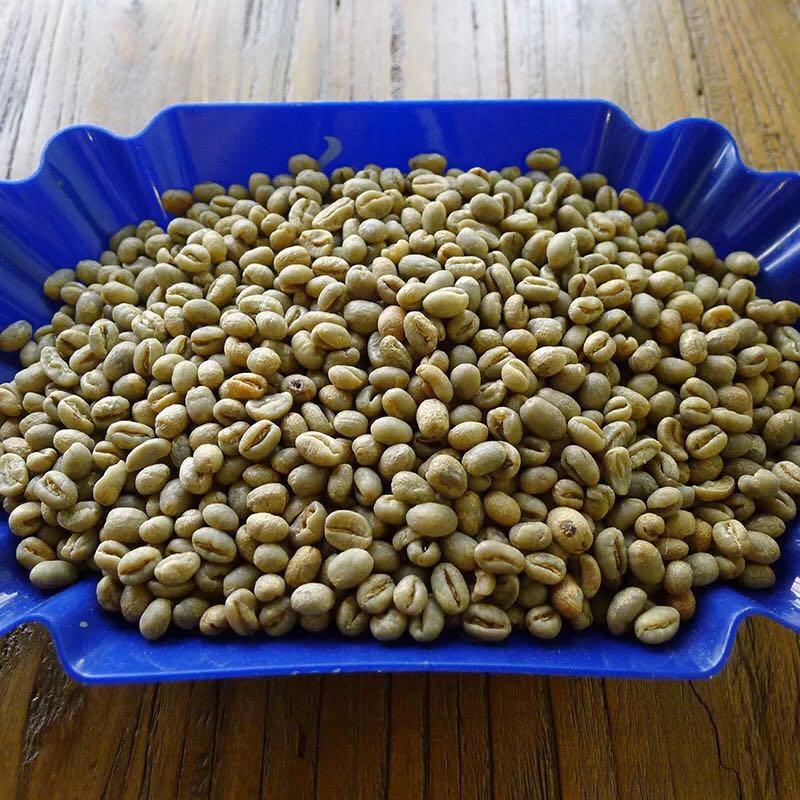
Rwandan Specialty Coffee Tastes Like Apples, Cherries & Honey
When you taste a cup of Rwandan coffee and immediately pick up on red apple, tart cherry, delicate cinnamon, and a touch of honey, you're not imagining things — those are real, repeatable tasting notes tied to specific growing conditions and processing methods. But why does coffee from this small East African country often present such a clean, fruit-forward profile unlike its neighbors? The answer lies in a mix of terroir, variety, and post-harvest care.
Rwandan specialty coffee — especially when washed and grown at elevation — regularly shows notes of red apple, cherry, cinnamon, and honey. These characteristics come from high-altitude Bourbon varieties cultivated in volcanic soils between 1,700–2,000 meters.
The Origins of Rwandan Coffee
Coffee cultivation in Rwanda dates back to the 1920s, when Arabica was first introduced. Over time, the country developed a reputation for producing coffees with distinct fruity sweetness and strong grassy aromatics. The 'Land of a Thousand Hills' — as Rwanda is known — offers ideal high-altitude conditions for coffee growing. Volcanic soils are rich and well-drained, and the climate encourages vigorous plant growth. However, this same rapid growth can sometimes limit the development of complex cup qualities if not carefully managed.
The majority of Rwanda’s roughly 33,000 hectares of coffee farms are planted with Bourbon, making it the dominant variety. Around 500,000 people are involved in the coffee sector, with many working through cooperatives supported by government initiatives that provide technical training and financial aid.
Why Bourbon Dominates Rwandan Coffee
Nearly 90% of Rwanda’s coffee comes from Bourbon — specifically, its red-fruited variant known as Red Bourbon. This classic Arabica variety, originally from Réunion Island (formerly Bourbon Island), produces smaller, rounder beans with typically medium acidity. While it may lack the extreme vibrancy of some Ethiopian strains, Red Bourbon offers excellent balance and uniformity. Unlike Kenya’s SL28 or Ethiopia’s heirloom mix, Rwandan Bourbons tend toward a more consistent profile, especially when grown under similar conditions across the country’s many hillsides.
Bourbon is also known for its relatively high yield compared to Typica, though it is more susceptible to disease. In Rwanda, however, farmers have adapted cultivation practices to mitigate these risks while maintaining cup quality.
Rwandan Coffee Processing: The Washed Method
Rwandan specialty coffee is most commonly processed using the washed (wet) method. This involves removing the coffee cherry’s skin and pulp soon after harvest, fermenting the beans to remove the mucilage, and then washing and drying them on raised beds. The washed process highlights the intrinsic qualities of the bean, especially the brightness and acidity contributed by the Bourbon variety. The result is a clean cup where fruity and floral attributes — like red apple, cherry, and honey — are clearly defined without fermentation anomalies or overbearing earthiness.
The Rwandan Coffee Association plays a key role in maintaining quality standards and supporting the development of the industry. Though its mission has evolved over the years to include greater emphasis on professionalism and marketing, its core focus remains ensuring that Rwanda’s washed coffees reach the international market in peak condition. These beans are widely regarded as some of the most consistently refined in Africa.
Why Rwandan Coffee Tastes Like This
Several factors contribute to the distinctive flavor profile of Rwandan coffee:
- High Altitude (1,700–2,000m): Slower bean development due to cooler temperatures increases sugar accumulation and acidity.
- Volcanic Soil: Rich in minerals and well-drained, volcanic soils contribute to brighter acidity and complex fruit tones.
- Bourbon Variety: Red Bourbon delivers moderate acidity, balanced sweetness, and a tendency toward fruity and floral notes.
- Washed Processing: Enhances clarity and accentuates the clean fruit, spice, and honey characteristics.
- Climate: Rwanda’s temperate highland climate, with consistent rainfall and sunny days, supports even ripening.
All of these elements combine to produce a coffee that is smooth yet vibrant, often exhibiting a rounded acidity alongside delicate aromas of cinnamon and honey, and prominent notes of red apple and cherry.
Frequently Asked Questions
What flavors are most common in Rwandan coffee?
Rwandan specialty coffee, especially when washed and Bourbon-grown, often features tasting notes of red apple, cherry, cinnamon, and honey. These flavors result from a combination of high altitude, volcanic soil, and careful processing that preserves the coffee’s inherent fruitiness and spice.
Is Rwandan coffee mostly Arabica or Robusta?
Rwandan coffee is almost exclusively Arabica, with around 90% of production coming from the Bourbon variety. Robusta is rarely cultivated and not a significant part of the country’s specialty coffee output.
What altitude is Rwandan coffee grown at?
Rwandan coffee is typically grown between 1,700 and 2,000 meters above sea level. This high elevation slows the bean’s maturation, leading to higher sugar content and more complex acidity in the cup.
Does Rwanda use the washed coffee method?
Yes, the majority of Rwandan specialty coffee is processed using the washed (wet) method, which helps highlight the coffee’s clean fruit and floral characteristics, particularly the red apple, cherry, and honey notes for which it is known.
What coffee variety is most common in Rwanda?
Bourbon, specifically the red-fruited variant called Red Bourbon, is the dominant coffee variety in Rwanda. It accounts for around 90% of the country’s coffee production and is valued for its balance, moderate acidity, and consistent cup profile.
Why does Rwandan coffee taste different from Kenyan or Ethiopian coffee?
Rwandan coffee tends to have a softer, more balanced profile compared to the intense, wine-like acidity of Kenyan coffee or the wild, fruity complexity of Ethiopian heirlooms. This is due to varietal differences (mainly Bourbon vs. SL28/Kenya or Ethiopian landraces), processing consistency, and terroir.
Recommended FrontStreet Beans for Rwandan Coffee Lovers
If you enjoy the bright fruit and spice notes of Rwandan coffee, try FrontStreet’s Rwanda Red Bourbon — known for its crisp profile. Also consider their Brazil Queen Manor Yellow Bourbon, offering balanced sweetness with creamy and caramel-like qualities, and their Brazil Hilarcá coffee (not listed but similar in style to their Brazilian offerings), which shares medium brightness and structured body. For a more direct comparison, FrontStreet’s BrazilBourbon (Red Bourbon from Brazil) highlights vinous acidity and chocolatey undertones with a medium roast, echoing some of Rwanda’s fruit-spice balance. All three beans showcase how Bourbon varieties, depending on origin and roast, can express vibrant, approachable profiles. Freshly roasted within 5 days · Orders placed before 17:00 ship the same day · Next-day delivery across most of Guangdong Province.
FrontStreet Coffee is a long-established specialty coffee roaster in Guangzhou China, selling freshly roasted beans from its own farm in Yunnan as well as dozens of carefully selected single-origin beans from around the world for both pour-over and espresso. The products deliver consistently excellent quality and great value, with shipping within 24 hours. Guangzhou's FrontStreet Coffee shop is recommended by many coffee lovers, and the beans are now available online at the Tmall 。
Important Notice :
前街咖啡 FrontStreet Coffee has moved to new addredd:
FrontStreet Coffee Address: 315,Donghua East Road,GuangZhou
Tel:020 38364473