Indonesian Coffee From Kintamani Volcano Region
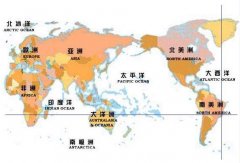
If you’ve ever sipped a smooth Indonesian cup that tastes like molasses with hints of spice and stone fruit—and wondered where it came from—this article explains the country’s rich coffee heritage, regional differences, and what makes certain islands stand out. The focus here is on Kintamani, part of Indonesia’s larger volcanic coffee belt, and how it fits into the national production picture.
The Kintamani region, located within Bali’s volcanic highlands, produces bright, clean coffees that are easy-drinking yet complex—refreshing enough for any time of day. While it’s just one of many key areas, Indonesia as a whole grows 6–10% arabica and the rest robusta, totaling 6.8 million bags annually, much of it from smallholder farms.
Java: The Historic Heartland of Indonesian Coffee
Coffee was introduced to Indonesia by the Dutch in the mid-17th century, possibly earlier. By 1712, the first shipment from Java reached Amsterdam. But in 1877, coffee leaf rust devastated plantations, leading to the replacement of arabica with robusta from Africa. Today, just 6–10% of Indonesia’s beans are arabica. Java, however, still produces refined, low-acid, balanced coffees with delicate aromas. Key estates include Blawan, Jambit, Kayumas, and Pankur. ‘Java Mocha’ is a blend of Java and Yemeni Mocha beans.
Sulawesi and Kalossi: Bold, Fragrant Beans
Sulawesi—also called Celebes—sits between Borneo and New Guinea. Its southern districts, especially Kalossi and Rantepao, yield full-bodied, aromatic beans. The cup is rich and well-structured, often noted for its earthy complexity. Sulawesi coffees are prized for their bold flavor profile and are considered some of the finest from the region.
Sumatra: Mandheling and the Wet-Hulled Legend
Sumatra, Indonesia’s oil and rubber hub, is far better known for its coffee. The beans tend to be heavier in body compared to Java. Mandheling and Ankola coffees are especially revered, with Mandheling beans often cited as the world’s largest. These coffees are grown around Lake Toba, particularly in Lintong, at elevations of 1,100–1,600 meters. They are processed using Indonesia’s signature wet-hulling (giling basah) method, which contributes to their distinctive herbal, woody, and spicy notes. FrontStreet Coffee’s Lintong Mandheling offers spice, black chocolate, and caramel with a sweet finish, while the PWN Golden Mandheling delivers toast, pine, cocoa, and deep caramelized sweetness with long-lasting finish.
Other Notable Regions
Flores Island produces sweet, syrupy coffees, while Papua’s New Guinea has contributors like the Sigri plantation, known for balanced, full-bodied beans similar to other Indonesian profiles. Each island brings unique cup characteristics shaped by altitude, processing, and microclimate.
The Grading System and Export Challenges
Indonesian coffee is graded from one to six, with AP or Grade 0 considered the best—though the meaning of ‘AP’ remains unclear. Historically, Indonesian coffee faced consumer resistance due to its freshness after replacing long sea voyages with prolonged storage. To mimic the aged flavor profile, the government stored beans for up to a year. This ‘old government’, ‘old brown’, or ‘old Java’ style never gained wide acceptance, though such lots are still found today.
Why Indonesians Prefer Turkish Coffee
Despite producing world-renowned beans, many Indonesians favor Turkish-style coffee over European-style espresso or filtered brews—a cultural preference that keeps much of their finest output aimed at export markets like Germany and Japan, both drawn to the inherent sweetness and syrupy body of Indonesian arabica.
Frequently Asked Questions
What is special about Kintamani coffee?
Kintamani coffee is grown in Bali’s volcanic highlands, producing a bright, clean, and easy-drinking cup with good balance. Though not as internationally famous as Sumatran or Javanese coffees, it is valued for its refreshing quality and suitability for drinking at any time of day.
What percentage of Indonesian coffee is arabica?
Only 6–10% of Indonesia’s coffee production is arabica; the majority is robusta. Arabica is mainly grown on high-altitude estates on islands like Java, Sumatra, and Sulawesi.
Which Indonesian coffee region is most famous?
Sumatra is the most famous for its heavy-bodied, herbal, and spicy Mandheling coffees, especially those processed using the wet-hulling method. Java and Sulawesi also have well-regarded specialty regions.
What is wet-hulling and why is it used in Indonesia?
Wet-hulling, or giling basah, is a processing method where coffee parchment is removed at high moisture content. It is unique to Indonesia and contributes to the trademark earthy, woody, and spicy flavors in Sumatran and other Indonesian coffees.
Why do some Indonesian coffees taste old or musty?
Historically, to replicate the flavor of aged beans from long sea voyages, Indonesia stored coffee for up to a year. This practice created a distinct ‘aged’ profile still found in brands like ‘Old Government’ or ‘Old Java’, though it’s not widely popular today.
Recommended FrontStreet Coffee for Indonesian Profiles
For fans of Indonesian coffee character, try FrontStreet’s Lintong Mandheling: it offers spice, black chocolate, and caramel with a sweet finish. The PWN Golden Mandheling is another standout, with notes of toast, pine, cocoa, and deep caramelized sweetness, plus a long-lasting caramel note. Both showcase the earthy richness and structural balance typical of Indonesia’s best-known regions. Freshly roasted within 5 days · Orders placed before 17:00 ship the same day · Next-day delivery across most of Guangdong Province.
FrontStreet Coffee is a long-established specialty coffee roaster in Guangzhou China, selling freshly roasted beans from its own farm in Yunnan as well as dozens of carefully selected single-origin beans from around the world for both pour-over and espresso. The products deliver consistently excellent quality and great value, with shipping within 24 hours. Guangzhou's FrontStreet Coffee shop is recommended by many coffee lovers, and the beans are now available online at the Tmall 。
Important Notice :
前街咖啡 FrontStreet Coffee has moved to new addredd:
FrontStreet Coffee Address: 315,Donghua East Road,GuangZhou
Tel:020 38364473