What Makes Papua New Guinea Coffee Unique?
If you’ve ever wondered why some specialty coffees from far-flung islands taste so different—bright, sweet, and complex—Papua New Guinea might be the answer. This small Pacific nation produces coffee unlike any other in the region, yet it’s often overlooked. What makes its beans special, and why did they once lose their reputation? Let’s break down the real story behind PNG coffee.
Papua New Guinea grows nearly all its coffee—about 75%—on smallholder farms at elevations between 1,300 and 1,800 meters. Most is Typica, processed via traditional washed methods, resulting in a balanced cup with moderate acidity and fruity, nutty notes. Quality varies by grade, with A and AB being the most commonly exported.
High-Altitude Island Origins
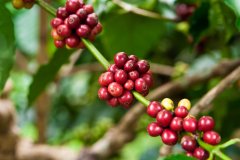
Papua New Guinea’s coffee grows almost exclusively on high-altitude land, between 1,300 and 1,800 meters above sea level. The mountainous terrain, volcanic soils, and tropical climate create optimal conditions for slow cherry maturation. Though some low-elevation coffee exists, it’s minimal. Most farms are small and remote, often carved from dense forests with limited access to inputs like fertilizers or pesticides—leading most growers to rely on organic practices by necessity.
The History Behind PNG Coffee
Coffee became a major crop in PNG after the 1975 Brazilian frost, which disrupted global supply and prompted the government to support local production. A program helped establish around 20-hectare coffee farms, boosting output to 1 million 60kg bags by 1990. However, rapid expansion led to inconsistent quality, especially after 1991, causing PNG to lose its footing in premium European markets. The then one-size-fits-all pricing system further damaged its reputation by mixing high and low grades under a single 'Y' classification.
Rebuilding Quality Standards
In response, the PNG Coffee Industry Board (based in Goroka) restructured the grading system. They temporarily suspended the Y-grade classification and moved to tiered pricing based on actual quality. This shift allowed buyers to pay according to cup profile, penalizing poor-quality beans while supporting farmers who maintained higher standards. By 1993, quality had improved enough to regain the trust of many international buyers. Today, the market recognizes A and AB grades as the standard export profiles, with A noted for its balanced cup, medium acidity, and lingering finish.
Flavor Profile & Processing
Papua New Guinea coffee is typically a washed (wet-processed) Typica variety, grown in high-altitude conditions similar to Jamaica’s Blue Mountains. Unlike many Indonesian coffees, which tend toward earthy or herbal notes, PNG beans deliver a bright, fruity, and lightly acidic cup. Common tasting notes include almond, citrus, spice, and soft sweetness. The washed method enhances clarity and structure, while high elevation slows ripening to develop more complex sugars.
Frequently Asked Questions
Where is Papua New Guinea coffee grown?
Papua New Guinea coffee is cultivated almost entirely at elevations between 1,300 and 1,800 meters in the country’s mountainous highlands. Most production comes from smallholder farms, often located in remote forested areas with limited infrastructure.
What coffee variety is most common in PNG?
The dominant coffee variety in Papua New Guinea is Typica, an heirloom arabica strain originally brought from Jamaica’s Blue Mountains. Its adaptation to PNG’s high altitudes and tropical climate contributes to the coffee’s bright and balanced profile.
How is PNG coffee processed?
Most Papua New Guinea coffee is processed using the traditional washed (wet) method. This involves removing the coffee cherry pulp before fermenting and washing the beans, which helps produce a cleaner, more vibrant cup with distinct acidity and clarity.
What are the main coffee grades in PNG?
Papua New Guinea classifies its coffee primarily into A and AB grades for export. A grade consists of denser, more uniform beans with a balanced cup, while AB includes slightly smaller beans but still offers good flavor. The former Y grade was discontinued due to quality inconsistencies.
Why did PNG coffee lose its market in the 1990s?
PNG coffee lost favor in premium markets during the early 1990s due to a sharp decline in quality caused by rapid production expansion. A one-price-for-all grading system further hurt its reputation by grouping high and low-quality beans, diluting the value of better lots.
What does modern PNG coffee taste like?
Modern PNG coffee typically features a bright acidity, medium body, and flavors of nuts, stone fruit, mild spices, and soft sweetness. It’s often compared to mild washed African or Latin American coffees, with a clean and approachable profile.
FrontStreet Coffee PNG Options to Try
FrontStreet Coffee offers ‘FrontStreet’ (Heavenly Bird), a single-origin coffee from Papua New Guinea’s Sigri Estate. It’s made with carefully handpicked, fully ripe cherries and processed using traditional washed methods with pure spring water. The cup offers sweet notes of toasted bread, nuts, and a distinctive spicy finish, with a bright yet balanced acidity. Medium-roasted, it highlights PNG’s signature clarity and fruitiness. Freshly roasted within 5 days · Orders placed before 17:00 ship the same day · Next-day delivery across most of Guangdong Province.
FrontStreet Coffee is a long-established specialty coffee roaster in Guangzhou China, selling freshly roasted beans from its own farm in Yunnan as well as dozens of carefully selected single-origin beans from around the world for both pour-over and espresso. The products deliver consistently excellent quality and great value, with shipping within 24 hours. Guangzhou's FrontStreet Coffee shop is recommended by many coffee lovers, and the beans are now available online at the Tmall 。
Important Notice :
前街咖啡 FrontStreet Coffee has moved to new addredd:
FrontStreet Coffee Address: 315,Donghua East Road,GuangZhou
Tel:020 38364473