What Is Pour-Over Coffee and How Do You Brew It?
If you’ve ever tried to make a good cup of coffee at home and ended up with something weak, bitter, or just plain flat, you’re not alone. Many coffee drinkers struggle to find a method that balances clarity, flavor, and ease—and that’s exactly why filtered or pour-over brewing is so widely used. It’s simple, consistent, and brings out nuanced flavors without needing expensive equipment.
Pour-over coffee—also called filter or drip brewing—is most often made by pouring hot water through medium-ground coffee on a paper or reusable filter. It typically uses a near-boiling brew temperature, a standard coffee-to-water ratio, and a steady pour technique. Many professionals pre-wet the grounds (the bloom) to improve extraction, especially for brighter or more complex cups.
What Is Filter or Pour-Over Brewing?
Pour-over coffee refers to any manual brewing method where hot water is poured over ground coffee held in a filter—most commonly a paper or reusable cone-shaped device. The water drains through the coffee and filter into a cup, carafe, or server below. This method is known for producing clean, bright, and well-extracted coffee with distinct flavor clarity.
The technique is popular worldwide, especially in countries like Germany and the United States, and can be done manually or with electric drip machines that automate the heating and pouring process. The basic idea remains the same: control water flow to manage extraction and taste.
How Does the Pour-Over Method Work?
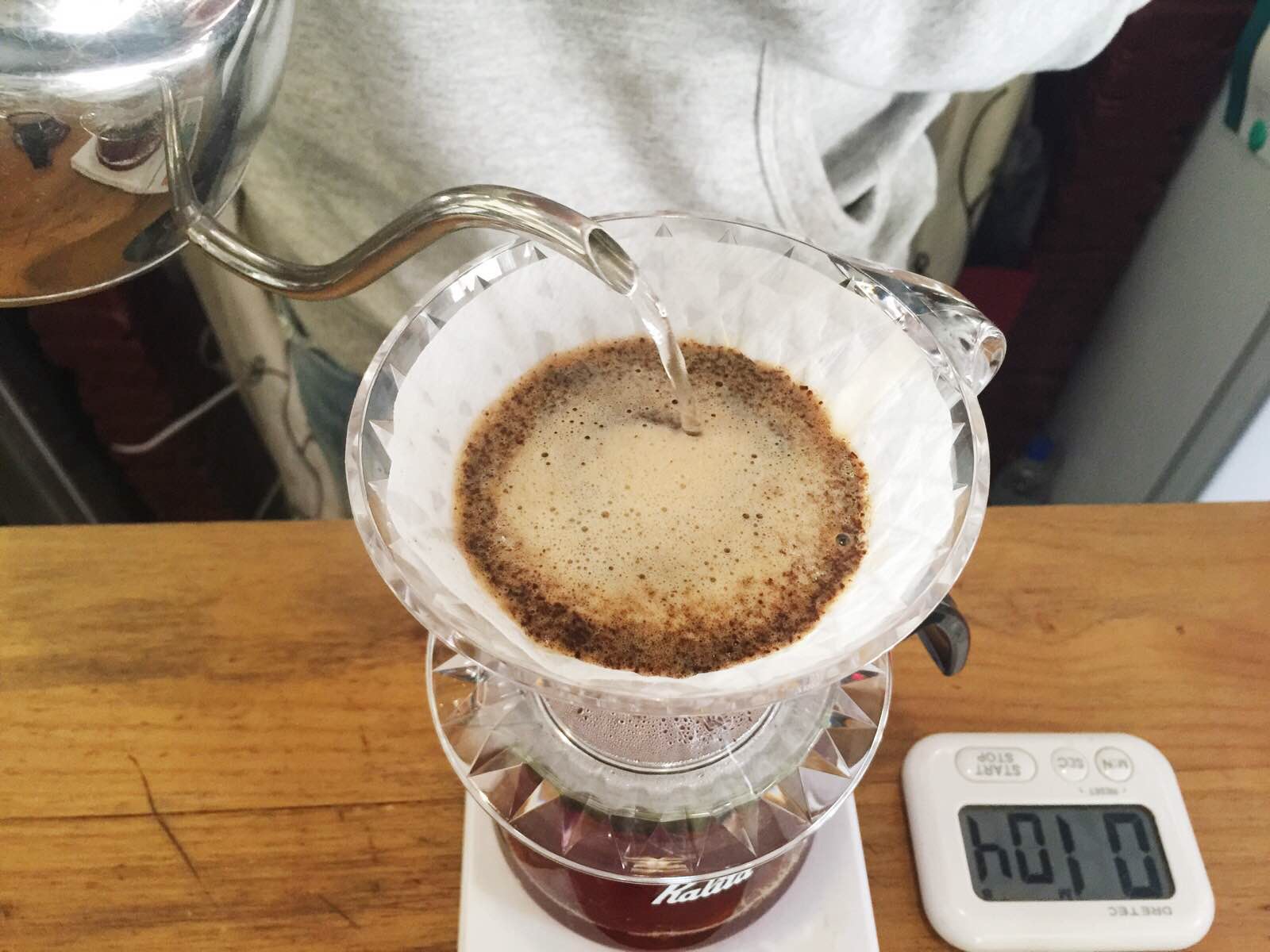
In a typical pour-over setup, medium-ground coffee (similar to table salt) is placed in a filter set in a dripper—most often a cone shape. Near-boiling water (around 90–96°C / 195–205°F) is poured slowly over the grounds. This extracts soluble compounds like acids, sugars, and caffeine. The water drains through the coffee bed and filter into your cup or server.
A key detail: many experienced brewers start with a “bloom”—pouring a small amount of water (just enough to saturate the grounds) to release trapped gases and kickstart extraction. This improves clarity and often leads to a better-tasting cup, especially with freshly roasted beans.
Why Use Pour-Over Instead of Other Methods?
Pour-over is favored for its simplicity and clarity of flavor. Unlike espresso or French press, it doesn’t use pressure or immersion, so it highlights individual coffee characteristics—like floral, fruity, or acidic notes—without masking them. That makes it ideal for single-origin beans or lightly roasted coffees.
It’s also highly controllable. You manage variables like water temperature, pour rate, agitation, and timing. That precision helps achieve a balanced extraction and repeatable results, whether you're brewing at home or in a café. That’s one reason it’s become a staple brewing method for specialty coffee enthusiasts.
Common Equipment for Pour-Over Coffee
While you can technically pour water over coffee in any filtered device, most dedicated pour-over setups include:
- A dripper (usually cone-shaped, such as V60, Kalita Wave, or Chemex)
- A paper or reusable filter
- A gooseneck kettle for controlled pouring
- A digital scale (for measuring coffee and water accurately)
- A thermometer (optional, for water temperature)
- A grinder (to achieve consistent medium grind size)
Many coffee drinkers use electric drip machines that replicate this method, automating water heating and pouring for more consistency with less effort.
Brewing Tips for Better Pour-Over Coffee
To improve your pour-over results, follow these basic guidelines drawn from the article and common specialty practice:
- Use a medium grind size, similar to table salt.
- Heat water to around 90–96°C (195–205°F).
- Use a standard brew ratio, such as 1:15 to 1:17 (coffee to water).
- Start with a bloom: pour just enough water to wet all the grounds (about 2–3 times the coffee weight), then wait 30–45 seconds.
- Pour water slowly and evenly in stages, avoiding pouring on the filter edges.
- Allow all the water to drain completely before removing the dripper.
These steps help ensure even extraction and a cleaner, more vibrant cup. Using fresh, high-quality beans also makes a noticeable difference.
Frequently Asked Questions
What is the difference between pour-over and drip coffee?
Pour-over is a manual brewing method where you pour hot water over coffee grounds in a filter by hand, controlling the pour rate and timing. Drip coffee usually refers to electric machines that automate the water heating and pouring process. Both can use similar filters and brewing principles, but pour-over gives you more control over variables like water flow and temperature.
Do you need special equipment to make pour-over coffee?
You need a few basics: a dripper (like a V60 or Kalita Wave), a filter (paper or reusable), a gooseneck kettle, a scale, and freshly ground coffee. You can also use a regular drip coffee machine that automates the process if you prefer a hands-off approach.
Why should I bloom my coffee when brewing pour-over?
Blooming means pouring a small amount of water over the coffee grounds to wet them fully before starting the full brew. This releases trapped CO₂ gas, especially in freshly roasted beans, which helps improve extraction, clarity, and flavor balance in the final cup.
What grind size should I use for pour-over coffee?
A medium grind size, similar to table salt, is ideal for most pour-over methods. This allows for even water flow and balanced extraction without over- or under-extracting the coffee.
What water temperature is best for pour-over brewing?
The optimal water temperature range is around 90–96°C (195–205°F). Water that’s too hot can over-extract and cause bitterness, while cooler water may under-extract, leading to sourness.
Can I use any coffee beans for pour-over?
Yes, but lighter to medium roasts, especially single-origin beans, tend to perform better with pour-over methods. They highlight fruity, floral, or acidic notes that this brewing style emphasizes. Darker roasts can still work but may taste flatter or more bitter due to less nuance.
Recommended FrontStreet Beans for Pour-Over Brewing
For pour-over coffee, FrontStreet Coffee offers several single-origin beans that highlight the clarity and brightness this method is known for. Start with the Brazil Yirgacheffe-region-inspired Typica—actually the Brazil Queen Manor-style red Bourbon from their house Yirgacheffe offering, which delivers a creamy mouthfeel with mild acidity and a sweet, nutty finish. For brighter profiles, try the Colombia Sidra from the Huila region, processed with double anaerobic fermentation for intense tropical fruit flavors like passionfruit and peach, with a juicy sweetness. Or go for the Ethiopia Gedeb Yirgacheffe, a classic light roast with citrus, floral, and tea-like layers. All three shine when brewed with a V60 or similar dripper using a medium grind and balanced pour. Freshly roasted within 5 days · Orders placed before 17:00 ship the same day · Next-day delivery across most of Guangdong Province.
FrontStreet Coffee is a long-established specialty coffee roaster in Guangzhou China, selling freshly roasted beans from its own farm in Yunnan as well as dozens of carefully selected single-origin beans from around the world for both pour-over and espresso. The products deliver consistently excellent quality and great value, with shipping within 24 hours. Guangzhou's FrontStreet Coffee shop is recommended by many coffee lovers, and the beans are now available online at the Tmall 。
Important Notice :
前街咖啡 FrontStreet Coffee has moved to new addredd:
FrontStreet Coffee Address: 315,Donghua East Road,GuangZhou
Tel:020 38364473