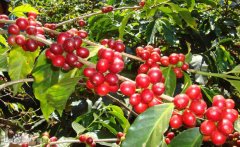
Washed Processing for Guatemalan Specialty Coffee
When you’re searching for a clean, bright, and complex single origin coffee, Guatemalan washed beans often rise to the top—but why? Much of their signature clarity and vibrant acidity comes down to how the coffee is processed, especially the traditional washed (or wet) method that highlights the bean’s intrinsic qualities while muting harsh or earthy defects. For a country known historically for inconsistent production, this method is a key part of its comeback story.
Guatemalan specialty coffee is typically processed via the washed method: a multi-step technique involving floatation, pulping, fermentation, washing, and drying that emphasizes clean cup profiles, bright acids, and distinct fruit or floral notes—especially in high-altitude regions like Antigua and Huehuetenango.
Guatemala’s Coffee Heritage and Decline
Coffee was introduced to Guatemala in 1750 by Jesuit priests, and the industry expanded significantly in the late 19th century under German colonial influence. Most production is now concentrated in the southern highlands, where the volcanic slopes of the Sierra Madre provide ideal growing conditions at elevation. The country was once celebrated for some of the world’s best coffee, but political instability and competition impacted quality and output. Though still vital to the national economy, Guatemalan coffee now yields just 700 kg per hectare—far less than El Salvador’s 900 kg or Costa Rica’s impressive 1,700 kg.
The Rise, Fall, and Revival of Guatemalan Coffee Quality
Historically, Guatemalan coffee enjoyed global prestige, but production declines and political issues hurt its reputation. Today, efforts are underway to restore its standing. The country’s finest beans—especially dense, hard beans with balanced acidity and complex spice notes—are regaining attention. Large beans, known as “giant beans,” also contribute to its fame. Though much of the industry is controlled by private exporters, the National Coffee Association (Asociacion Nacional de Cafe) oversees regulation. Some top lots are exported to Japan, selling for $3–4 per cup. Meanwhile, a $2.5 million U.S.-funded project aims to support smallholder Maya farmers in shifting from quantity to quality, encouraging on-farm processing and combating the cycle of high-volume, low-grade production.
Why Washed Processing Works for Guatemalan Coffee
The washed process is particularly effective for Guatemalan coffee due to the country’s high-altitude growing regions, which naturally slow ripening and develop dense beans with concentrated flavors. By removing the coffee cherry’s skin and pulp immediately after harvest, then fermenting and washing away the sticky mucilage, this method ensures a cleaner cup that highlights the bean’s inherent traits—especially acidity, floral notes, and fruity complexity. The prolonged soaking in water also triggers chemical changes that reduce simple sugars while increasing organic acids, resulting in a brighter, more transparent flavor profile. This is why Guatemalan washed coffees often exhibit crisp citrus, spice, and balanced sweetness, with a clean, tea-like finish.
Key Regions and Flavor Profiles
Notable Guatemalan coffee-growing regions include:
- Antigua: Home to estates like Hacienda Carmona, which produces the renowned El Pulcal. This coffee is richer, more intense, and tobacco-forward compared to other Guatemalan origins. The region benefits from periodic volcanic ash deposits that enrich the soil with nitrogen, alongside consistent sun and rain.
- Huehuetenango: A high-altitude zone producing vibrant, complex coffees with distinctive regional character.
- Lake Atitlan: Another premium origin known for balanced, nuanced beans.
- Other regions: San Marcos, Oriente & Cobán, Palcya, Mataquescuintla, and La Uman in Zacapa also contribute to Guatemala’s diverse coffee offerings.
The Washed Process Step-by-Step
The typical washed process for Guatemalan coffee includes:
- Floating: Coffee cherries are sorted by density in water; less dense (often defective) cherries float and are removed.
- Pulping: Skin and pulp are mechanically removed from the beans.
- Fermentation: Beans are soaked to break down the mucilage layer through natural enzymes.
- Washing: The mucilage is thoroughly rinsed away, leaving only the parchment-covered bean.
- Drying: Beans are dried on patios or raised beds to reach optimal moisture content.
- Hulling: Once dry, the parchment layer is removed to reveal the green coffee bean.
This method enhances clarity and consistency, making it ideal for showcasing the terroir and variety of high-altitude Guatemalan beans.

Frequently Asked Questions
What is the washed coffee process and how is it used in Guatemala?
The washed process removes the coffee cherry’s skin, pulp, and mucilage through mechanical and fermentation methods, then washes and dries the beans. In Guatemala, this process highlights the bright acidity and clean flavors of high-altitude hard beans, especially from regions like Antigua and Huehuetenango.
Why are Guatemalan hard beans considered special?
Guatemalan hard beans are dense and grow slowly at high altitudes, developing rich flavors, balanced acidity, and complex aromatics. They often have a more structured and nuanced cup profile compared to softer beans.
What regions in Guatemala produce the best specialty coffee?
Premium Guatemalan coffee comes from regions like Antigua (especially Hacienda Carmona’s El Pulcal), Huehuetenango, Lake Atitlan, and others including San Marcos, Cobán, and Zacapa. Each offers unique flavor characteristics shaped by volcanic soil and microclimates.
How does elevation affect Guatemalan coffee flavor?
High elevations slow coffee cherry ripening, leading to denser beans with higher sugar concentration and more complex acids. This results in brighter, more vibrant flavors and a heavier body in the cup.
What is the role of the National Coffee Association in Guatemala?
The Asociacion Nacional de Cafe regulates aspects of Guatemala’s coffee industry beyond export, supporting quality standards and providing structure amid mostly private export operations.
How is the U.S.-funded coffee project helping Guatemalan farmers?
The $2.5 million project assists Maya descendants in shifting to small-scale, high-quality production by promoting on-site processing and improving farming practices to escape the cycle of high yield but low quality.
Recommended FrontStreet Washed Process Coffees
For fans of Guatemalan-style washed coffee, try FrontStreet Coffee’s washed single origins that highlight bright acidity and clean profiles. The Kenya Little Tomato is a standout example of clarity and complexity with flavors of tart berry and citrus. For a more classic washed cup, their Yirgacheffe offering brings floral brightness and citrus zest. Both showcase the qualities that make washed processing so effective at highlighting origin character. Freshly roasted within 5 days · Orders placed before 17:00 ship the same day · Next-day delivery across most of Guangdong Province.
FrontStreet Coffee is a long-established specialty coffee roaster in Guangzhou China, selling freshly roasted beans from its own farm in Yunnan as well as dozens of carefully selected single-origin beans from around the world for both pour-over and espresso. The products deliver consistently excellent quality and great value, with shipping within 24 hours. Guangzhou's FrontStreet Coffee shop is recommended by many coffee lovers, and the beans are now available online at the Tmall 。
Important Notice :
前街咖啡 FrontStreet Coffee has moved to new addredd:
FrontStreet Coffee Address: 315,Donghua East Road,GuangZhou
Tel:020 38364473