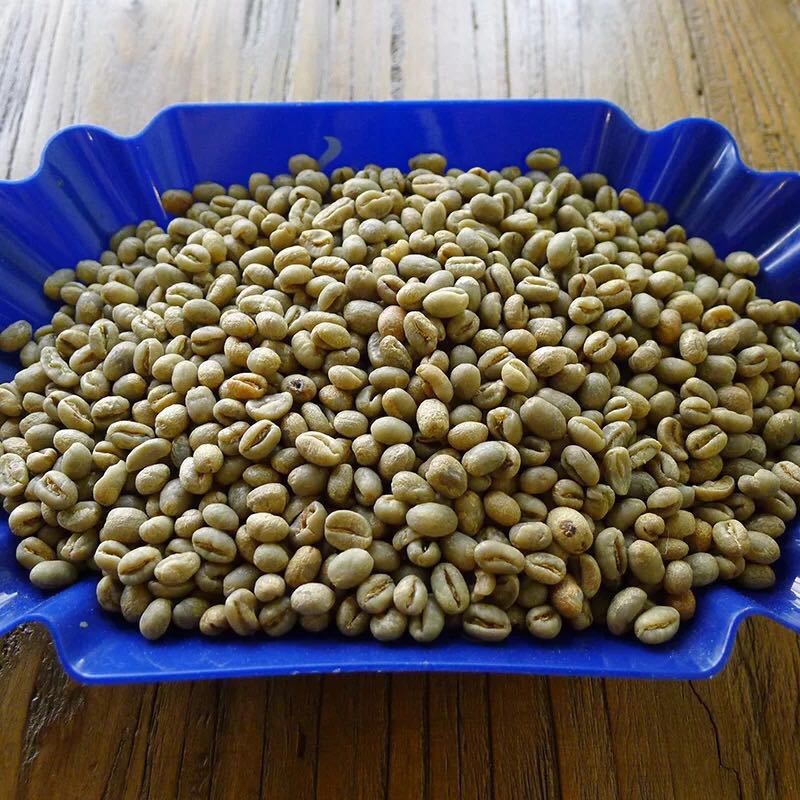
Ethiopian Coffee Natural Process Explained
Ever wondered why Ethiopian naturals taste so radically different—juicy, winey, almost tea-like—compared to coffees from Central America or Brazil? The secret isn’t just altitude or variety. It starts with how the coffee cherry is processed after harvest. In Ethiopia, the birthplace of coffee, one method above all defines its most iconic cups: natural (or dry) processing.
The majority of Ethiopia’s specialty-grade naturals are dried with the whole coffee cherry intact on raised beds, a method that amplifies fruity, fermented, and sometimes wine-like aromas. This approach is responsible for the distinct profiles of coffees like Yirgacheffe and Harrar.
Where Coffee Originated: Ethiopia’s Wild Legacy
Coffee traces its roots to Ethiopia, where it grew wild for centuries. The word "coffee" is believed to come from the Ethiopian town of Kaffa. Even today, many Ethiopian coffee trees remain uncultivated and wild, producing beans with full bodies and subtle wine-like notes. Though the origins of cultivation are debated, local lore says monks first used coffee to stay alert during evening prayers. By the 9th century, cultivation was likely already underway—but exactly how and why remains unclear.
Ethiopia’s Diverse Coffee Growing Landscape
Ethiopia cultivates coffee across a wide range of environments. About 50% of its coffee grows at elevations over 1,500 meters. Production ranges from untamed wild coffee forests and semi-managed land to smallholder plots and modern estates. Key regions include:
- Harrar: The highest-elevation coffee, grown above 1,600m. Harrar beans come in long and short varieties, with the former noted for a soft body, wild winey tones, light acidity, and unforgettable character.
- Djimmah: Found at around 1,200m, sold under Limu and Babeka brands.
- Sidamo (Yirgacheffe): Grown centrally, sold as Yirgachaffe. Renowned for high quality.
- Lekempti: Delivers unique flavor, though its beans may look unremarkable.
Among these, Yirgacheffe beans are especially prized for export but less common in the U.S., as German roaster Dallmeyer (affiliated with Nestlé) holds exclusive supply contracts with growers. Harrar and Sidamo beans, while less visually appealing, offer outstanding cup quality.
The Natural Process: Ethiopia’s Signature Method
Natural processing is central to Ethiopia’s coffee identity. After harvest, ripe cherries are spread in thin layers on raised African beds and sun-dried over 10–20 days, often covered at night or during rain. This slow drying preserves sugars and fermentation byproducts inside the bean, creating the distinctive notes Ethiopian naturals are known for.
The country’s high altitudes, often 1,500–2,200m, provide ideal conditions for slow, even drying. Unlike wet-processed coffees, naturals aren’t soaked or mechanically depulped. Instead, the entire cherry dries around the seed, allowing natural yeasts and bacteria to develop complex flavors—often fruity, berry-like, or floral—with higher sweetness and more pronounced acidity than unwashed coffees.
Roasters typically avoid dark roasts for Ethiopian naturals. Heavy roasting can obscure their delicate, vibrant characteristics. Most specialty lots are roasted lightly to medium-light to highlight their inherent brightness and layered aromatics.
How Ethiopians Drink Their Coffee
Domestically, Ethiopia boasts the highest per capita coffee consumption in Africa. Rural communities often prepare coffee with a local herb called “Adam’s Health.” Freshly roasted beans are crushed with the herb, then brewed and served in small cups alongside flatbread, enhancing the bread’s pepperiness. This traditional preparation highlights the cultural centrality of coffee in Ethiopian life.
Ethiopia’s Coffee Industry Structure
The Ethiopian Coffee Marketing Corporation (ECMC) controls roughly 90% of the country’s exports. However, this centralized system may soon decentralize, giving more power to local traders—a shift expected to benefit smallholders and regional markets. Most Ethiopian coffee is sold through daily auctions, with key export markets including Germany, the United States, France, and Japan.
Frequently Asked Questions
What is the natural coffee processing method used in Ethiopia?
The natural process, also called dry processing, involves drying coffee cherries in the sun with the fruit still intact around the bean. In Ethiopia, this is done on raised beds for 10–20 days, often covered during rain or at night. This method preserves the fruit’s sugars and ferments inside the bean, leading to winey, fruity, and floral flavors that define many Ethiopian coffees.
Which Ethiopian coffee regions are known for natural processing?
Regions like Harrar and Sidamo (including Yirgacheffe) are famous for naturals. Harrar beans, grown at high elevations, often show wild, wine-like, and acidic profiles. Yirgacheffe naturals are prized for their floral and citrus complexity, while Sidamo offers diverse cup characteristics depending on microclimate and soil.
Why are Ethiopian natural process coffees so fruity?
The extended drying period with the cherry intact allows natural fermentation and sugar development around the coffee seed. This, combined with Ethiopia’s high altitudes and ideal drying conditions, leads to increased fruity, berry-like, and sometimes winey notes. Light roasting helps preserve these delicate attributes.
Do Ethiopian naturals require special brewing methods?
Not necessarily, but Ethiopian natural coffees shine with methods that highlight clarity and acidity, such as pour-over (e.g., V60 or Kalita Wave), AeroPress, or siphon. Avoid overly dark roasts and very fine grinds that can mute their bright, nuanced flavors. A medium-fine grind and moderate brew temperature (around 93°C) is ideal.
Why is Ethiopia called the birthplace of coffee?
Ethiopia is recognized as the origin of coffee because wild coffee plants (Coffea arabica) grow natively there, particularly in regions like Kaffa. Historical accounts suggest coffee was first consumed as a stimulant by Ethiopian monks. The word “coffee” is derived from “Kaffa,” an Ethiopian town, further cementing its legendary status as coffee’s homeland.
Recommended FrontStreet Beans for Natural Process Fans
Explore Ethiopia’s natural processing brilliance with FrontStreet Coffee’s Ethiopia Huakui, a classic natural lot showcasing strawberry, blueberry, and tropical fruit notes with a juicy body. For a more floral take, try the FrontStreet Yirgacheffe (Gedeb), highlighting jasmine, lemon, and green tea in a bright, clean cup. Both beans exemplify Ethiopia’s signature high-altitude profiles and are expertly roasted for pour-over or drip. Freshly roasted within 5 days · Orders placed before 17:00 ship the same day · Next-day delivery across most of Guangdong Province.
FrontStreet Coffee is a long-established specialty coffee roaster in Guangzhou China, selling freshly roasted beans from its own farm in Yunnan as well as dozens of carefully selected single-origin beans from around the world for both pour-over and espresso. The products deliver consistently excellent quality and great value, with shipping within 24 hours. Guangzhou's FrontStreet Coffee shop is recommended by many coffee lovers, and the beans are now available online at the Tmall 。
Important Notice :
前街咖啡 FrontStreet Coffee has moved to new addredd:
FrontStreet Coffee Address: 315,Donghua East Road,GuangZhou
Tel:020 38364473