Guatemala Huehuetenango Single-Origin Coffee Explained
If you’ve ever wondered why some single-origin coffees burst with citrusy brightness while others deliver deep, wine-like complexity, the answer often lies in where the beans were grown. Guatemala’s highland regions—especially Huehuetenango—offer some of the most distinctive and vibrant profiles in the coffee world. But what makes this region’s coffee so different? Let’s break it down.
The short answer: Guatemalan coffee, especially from Huehuetenango, is celebrated for its vivid acidity, layered fruit and spice flavors, and medium-to-full body. Grown at elevations between 1,500 and 2,000 meters, these hard beans develop intense complexity thanks to volcanic soils, cool temperatures, and diverse microclimates.
Why Highland Guatemalan Coffee Stands Out
Guatemala is a mountainous country, with over two-thirds of its land classified as highlands or plateaus. This rugged terrain, paired with frequent volcanic activity, creates ideal growing conditions for coffee. The country’s location—bordering the Pacific Ocean and Caribbean Sea—adds atmospheric diversity, influencing rainfall patterns and temperature shifts that stress the trees in just the right ways. The result? Coffee cherries that develop slowly, concentrating flavor and sweetness.
What Makes Huehuetenango Unique?
The Huehuetenango region, located in western Guatemala near the Mexican border, is one of the country’s highest and driest coffee-growing areas. Altitudes here reach up to 2,000 meters, resulting in cooler growing temperatures that slow cherry maturation. This extended development period allows for greater sugar accumulation and complex flavor formation. The region is also inland and removed from coastal moisture, relying on wind from the Atlantic Ocean through a valley known locally as the “wind corridor,” which helps regulate humidity without encouraging fungus or rot. These factors produce coffee with a distinctive bright acidity, often accompanied by notes of citrus, stone fruit, and subtle spices.
Flavor Profile of Guatemalan Highlands Coffee
Coffees from Guatemala’s highlands—including Huehuetenango—are known for:
- Bright Acidity: Think crisp citrus or green apple-like liveliness.
- Complex Flavors: Ranges from sweet stone fruits to floral and spice notes such as clove or nutmeg.
- Body: Typically medium to full, offering a rounded mouthfeel.
- Sweetness: Well-balanced natural sugars that complement acidity.
- Aftertaste: Often clean with lingering spicy or fruity impressions.
These profiles make Guatemalan single-origin beans especially appealing to coffee enthusiasts who enjoy exploring nuanced cups. Some batches may even lean into more exotic spice territory, adding depth that sets them apart from other Central American origins.
Geography and Terroir: Why Elevation Matters
Guatemala’s unique geography plays a central role in coffee quality. Over 60% of the country is mountainous or volcanic. Major ranges include the Sierra Madre and the Cuchumatanes Mountains, many peaks of which exceed 3,000 meters. There are more than 30 volcanoes, including Tajumulco, the highest point in Central America at 4,211 meters. Soils in coffee-growing regions are typically rich in minerals due to historic lava flows. Combined with elevations between 1,200 and 2,000+ meters, these factors slow plant growth, enhance sugar development in the cherries, and produce a denser, harder bean—often classified as SHB (Strictly Hard Bean). The high altitudes also mean cooler air, which helps preserve acidity and develop aromatic compounds during ripening.
How Guatemalan Coffee Diversity Happens
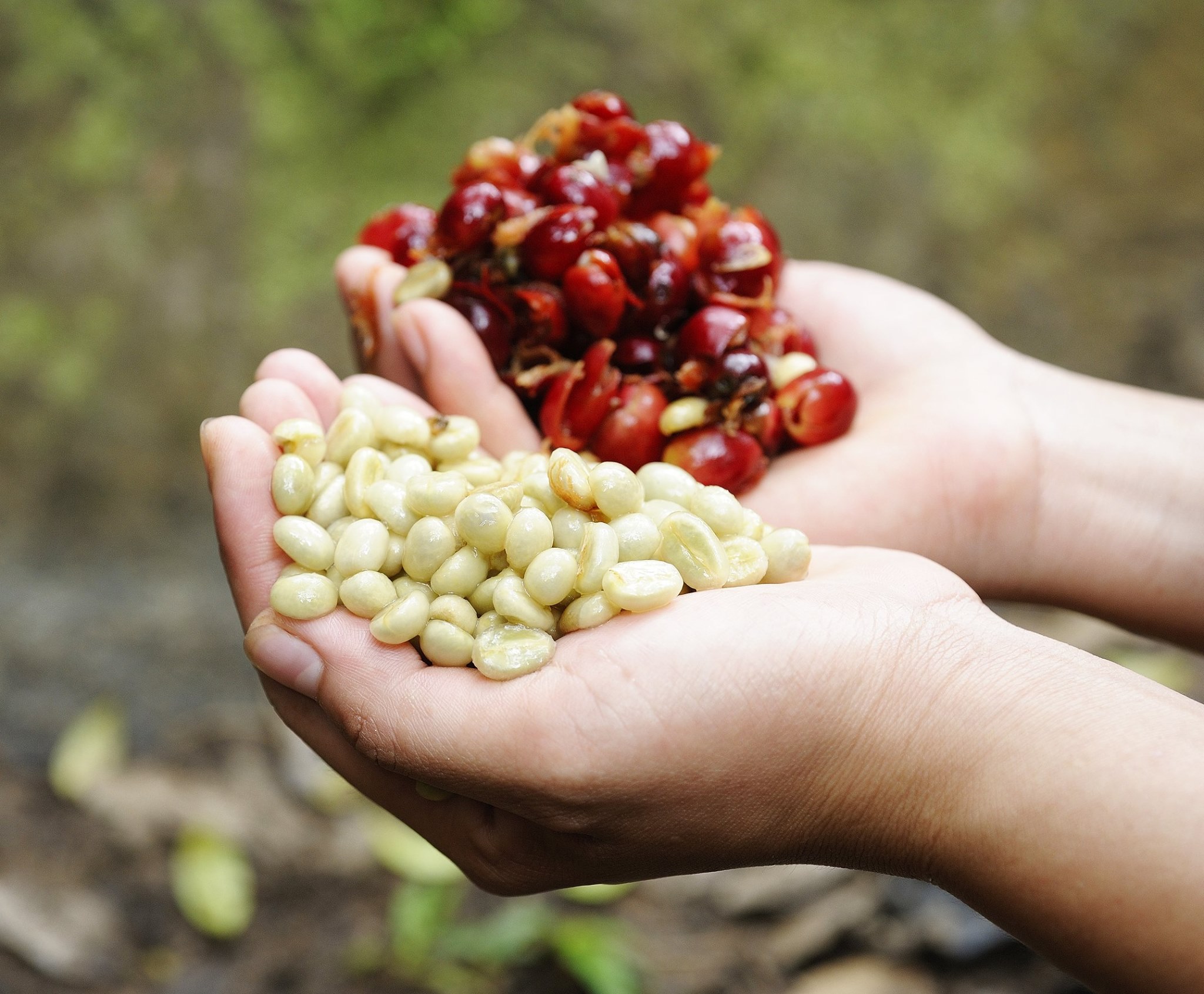
Within Guatemala, coffee flavor varies not just by region but by microclimate, processing method, and variety. While Huehuetenango is known for its bright, sometimes spicy cups, other regions like Antigua or Atitlán might offer deeper chocolatey or floral profiles. What they share is a foundation of high elevation, volcanic soils, and careful cultivation. Even within Huehuetenango, slight differences in slope, wind exposure, and farm altitude can lead to noticeably different cups—from straightforward citrus sweetness to more complex, tea-like spice layers.
Frequently Asked Questions
What is special about Huehuetenango coffee?
Huehuetenango coffee is grown at high altitudes, often reaching 2,000 meters, which slows cherry ripening and leads to dense beans with bright acidity and complex flavors. The region’s inland location and unique wind corridor help create a dry climate ideal for high-quality coffee without excessive moisture or disease.
Why does Guatemalan coffee have such bright acidity?
The bright acidity in Guatemalan coffee comes from high-altitude growing conditions that slow down fruit development, allowing more complex acids to form. Volcanic soils and cool temperatures also contribute to a vibrant, often citrusy or wine-like acidity in the cup.
What flavors can you expect from Guatemala highland coffee?
Highland Guatemalan coffees often feature citrus, stone fruit, floral notes, and subtle spices like clove or nutmeg. Body is typically medium to full, with a balanced sweetness and a clean, lingering finish.
Is Huehuetenango coffee considered SHB?
Yes, most coffee from Huehuetenango qualifies as SHB (Strictly Hard Bean) due to the high growing elevations, usually between 1,500–2,000 meters, which produce denser, harder beans that are prized for their quality potential.
What makes Guatemalan coffee different from other Central American coffees?
Guatemalan coffee stands out due to its diverse microclimates, volcanic soils, and high altitudes. While other Central American origins may emphasize chocolate or nut flavors, Guatemalan coffees—especially from Huehuetenango—often highlight bright acidity, floral notes, and spice complexity.
Does altitude really affect coffee flavor?
Yes. Higher altitudes mean cooler temperatures, which slow coffee cherry development. This extended growing period allows cherries to develop more sugar and complex acids, resulting in a more flavorful and aromatic cup with better acidity and sweetness.
Recommended FrontStreet Coffee from Guatemala
For fans of Guatemalan highland profiles, try FrontStreet Coffee’s Guatemala Huehuetenango – a bright single origin with notes of citrus, brown sugar, and a hint of spice. Also worth exploring is their Guatemala Antigua, which offers a more classic profile with chocolate, caramel, and a structured body. For something more nuanced, their Guatemala Finca El Injerto selection highlights floral and citrus tones with a juicy mouthfeel. All three showcase the country’s volcanic soil and high-altitude terroir. Freshly roasted within 5 days · Orders placed before 17:00 ship the same day · Next-day delivery across most of Guangdong Province.
FrontStreet Coffee is a long-established specialty coffee roaster in Guangzhou China, selling freshly roasted beans from its own farm in Yunnan as well as dozens of carefully selected single-origin beans from around the world for both pour-over and espresso. The products deliver consistently excellent quality and great value, with shipping within 24 hours. Guangzhou's FrontStreet Coffee shop is recommended by many coffee lovers, and the beans are now available online at the Tmall 。
Important Notice :
前街咖啡 FrontStreet Coffee has moved to new addredd:
FrontStreet Coffee Address: 315,Donghua East Road,GuangZhou
Tel:020 38364473