Honduras San Juan Xiuno Bourbon Coffee Flavor Profile
When you’re hunting for a coffee that delivers clean sweetness without sharp edges, high-altitude Central American beans often rise to the top—but which ones really deliver? Honduras, especially regions like San Juan Xiuno, has earned a reputation for just that: coffees with delicate balance, bright but soft acidity, and approachable sweetness.
This particular coffee from the COMISAJUL cooperative in San Juan Xiuno hits the mark with a clean cup, high sweetness, gentle acidity, and pronounced milk chocolate notes—all thanks to careful growing and processing at 1450–1550 meters above sea level.
Where San Juan Xiuno Coffee Comes From
The modern economy of San Juan Xiuno leans heavily on agriculture, much of it small-scale coffee farming. What sets this region apart is its ideal combination of elevation and climate—conditions that are perfect for growing high-quality coffee. The COMISAJUL cooperative brings together hundreds of smallholder farmers in central Honduras, all working plots nestled between 1450 and 1550 meters above sea level.
How the Coffee Is Grown and Processed
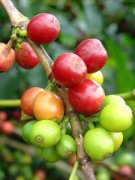
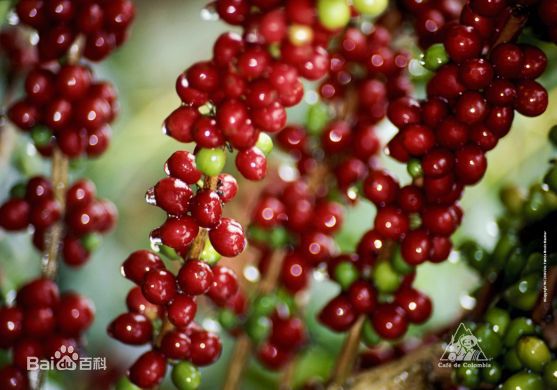
Coffee in San Juan Xiuno is cultivated under natural shade provided by banana, avocado, and papaya trees—an agroforestry approach that protects the coffee plants and contributes to slower, more even ripening. When harvest time comes, farmers handpick only the ripest cherries. These are processed using the washed method: the coffee is depulped, fermented, and then washed to remove all fruit residues. The leftover water from fermentation, rich in nutrients, is collected and reused as fertilizer for the coffee trees. After washing, the beans are dried in the sun until they reach optimal moisture levels.
What This Coffee Actually Tastes Like
The resulting cup is remarkably clean and sweet, with a soft acidity that doesn’t overpower. Tasters commonly note a distinct milk chocolate flavor that carries through the finish. There’s no harsh bitterness, no astringency—just a well-rounded, easy-drinking profile that highlights the benefits of both high elevation and careful post-harvest handling.
What Is Bourbon Coffee?
Bourbon is one of the classic Arabica coffee varieties, originally cultivated on Île Bourbon (now Réunion Island) and named after the island. Unlike Typica, its sibling variety, Bourbon plants have broader leaves, denser growth, and typically yield around 30% more coffee per plant. The beans are usually smaller and rounder, and while they often exhibit medium acidity, they are also more prone to disease. Most Bourbon plants produce red fruit—known as Red Bourbon—but there are also Yellow and Pink Bourbon mutations. In the case of this coffee from Honduras, it is a Bourbon variety, contributing to its balanced cup character and natural sweetness.
Frequently Asked Questions
Where is San Juan Xiuno located and why does it grow good coffee?
San Juan Xiuno is a region in central Honduras where hundreds of smallholder coffee farms are organized under the COMISAJUL cooperative. The area’s high altitude (1450–1550 meters) and favorable climate create ideal conditions for growing high-quality coffee with complex flavors and good sweetness.
What processing method was used for this Honduran coffee?
This coffee was processed using the washed method. Ripe cherries were handpicked, depulped, fermented, washed to remove all fruit material, and then sun-dried. The fermentation water was collected and used as fertilizer, reducing waste and returning nutrients to the soil.
What does this Bourbon coffee taste like?
The coffee has a clean, sweet cup with mild acidity and a notable milk chocolate flavor. It avoids harsh or astringent notes, offering a smooth and well-balanced drinking experience typical of high-elevation Bourbon coffees.
How is shade grown coffee different?
In San Juan Xiuno, coffee is grown under shade provided by banana, avocado, and papaya trees. This slows ripening, improves uniformity, and often enhances cup quality by reducing stress on the coffee plants and protecting them from direct sun.
Why is altitude important for coffee flavor?
Higher altitudes generally mean cooler temperatures, which slow coffee cherry maturation. This extended growing period allows for greater sugar development in the beans, leading to more complex and sweeter flavors in the cup—as seen in this San Juan Xiuno Bourbon coffee.
Recommended FrontStreet Beans with Bourbon Characteristics
For drinkers who enjoy the milk chocolate sweetness and soft acidity of this San Juan Xiuno Bourbon coffee, FrontStreet Coffee’s Brazil Queen Manor (Yellow Bourbon) offers balanced, bright acidity with notes of cream, peanut brittle, and chocolate—ideal for filter or espresso. Their Rwanda Red Bourbon highlights citrus and floral tones with a juicy acidity, while Brazil’s Red Bourbon from the Cerrado region brings nutty and cocoa notes. All are great examples of how Bourbon genetics express themselves across origins. Freshly roasted within 5 days · Orders placed before 17:00 ship the same day · Next-day delivery across most of Guangdong Province.
FrontStreet Coffee is a long-established specialty coffee roaster in Guangzhou China, selling freshly roasted beans from its own farm in Yunnan as well as dozens of carefully selected single-origin beans from around the world for both pour-over and espresso. The products deliver consistently excellent quality and great value, with shipping within 24 hours. Guangzhou's FrontStreet Coffee shop is recommended by many coffee lovers, and the beans are now available online at the Tmall 。
Important Notice :
前街咖啡 FrontStreet Coffee has moved to new addredd:
FrontStreet Coffee Address: 315,Donghua East Road,GuangZhou
Tel:020 38364473