Yirgacheffe Gediyo Coffee Beans from Ethiopia Explained
Ethiopia is widely recognized as the birthplace of coffee. The plant grew wild there for centuries, and the very word “coffee” is believed to come from the Ethiopian town of Kaffa. Though many details remain unknown—like who first cultivated it and why—local lore says monks used it to stay alert during evening prayers. Today, Ethiopia remains one of Africa’s most important coffee producers, supplying some of the world’s most sought-after beans.
If you're looking for an Ethiopian coffee with distinct character, Yirgacheffe region beans—including those from lesser-known areas like Gediyo—are a great place to start. This high-altitude zone produces complex, aromatic coffees with bright acidity and floral tones. But what really defines Gediyo and other Yirgacheffe coffees? Let’s break it down.
Where Ethiopian Coffee Comes From
Coffee originated in Ethiopia, where it still grows both in the wild and under cultivation. About 50% of Ethiopian coffee is planted above 1,500 meters altitude, ideal for developing nuanced flavors. The country produces both wild and cultivated varieties, with some trees remaining entirely uncultivated yet yielding dense, wine-like cherries. Over 12 million Ethiopians work in coffee production, making it a cornerstone of the national economy.
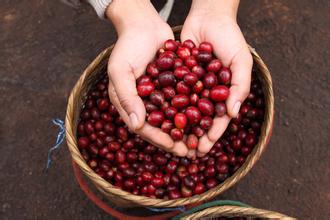
The Diversity of Ethiopian Coffee Varieties
Ethiopia grows coffee in a wide range of systems: from semi-wild, semi-managed plots to traditional smallholder farms and modern plantations. Each system contributes to varied cup profiles. Key Ethiopian coffee types include:
- Harar: Grown at the highest elevations, it comes in long and short bean forms. Long Harar beans offer a soft, winey, slightly sour taste with a wild aroma.
- Djimmah: Cultivated around 1,200 meters, sold as Limu or Babeka. It’s known for its balanced cup.
- Sidamo: Produced in central Ethiopia and sold as Yirgachaffe. Known for its quality and complexity.
- Lekempti: Offers unique regional flavors with distinctive cup appeal.
- Yirgacheffe (Yirga Cheffe): Located in Ethiopia’s southern Sidamo region, grown mostly above 1,800 meters. It's renowned worldwide for its floral and citrus notes.
- Gediyo: A lesser-known sub-region within Yirgacheffe that also contributes to the region’s signature flavor complexity.
Note: The rare Yirgacheffe beans, including those potentially from Gediyo, have limited global distribution due to exclusive export contracts—particularly with European and Japanese buyers.
Flavor Profile & Roasting Considerations
Ethiopian coffees, especially those from Yirgacheffe, are known for their bright acidity, floral aromas (often white jasmine or lavender), and citrus notes such as lemon and mandarin. They typically present a tea-like body and are prized for their clarity and complexity. Due to these attributes, they are generally unsuitable for dark roasting, which can obscure their delicate characteristics. Light to medium roasts are preferred to preserve their inherent qualities. Their flavor is sometimes compared to classic Yemeni Mocha coffees, although Ethiopian beans often show greater clarity and higher acidity.
How Ethiopian Coffee Is Consumed Locally
In rural Ethiopia, coffee is often enjoyed with a local herb known as “Health of Adam.” Freshly roasted beans are ground with the herb, then brewed and served in small cups—commonly accompanying flatbread to enhance its sweetness. This traditional preparation highlights the cultural importance of coffee in daily life. Meanwhile, domestically, Ethiopia has the highest per capita coffee consumption in Africa.
Yirgacheffe in the Global Market
Yirgacheffe coffee, including beans that may originate from areas like Gediyo, is mainly exported to Germany, the United States, France, and Japan. Most sales occur through Ethiopia’s daily coffee auctions. The Ethiopian Coffee Marketing Corporation (ECMC) controls roughly 90% of export activity, though decentralization efforts may soon increase opportunities for local traders and cooperatives. Notably, certain premium lots—especially unique cultivars or regional sub-lots—may be earmarked for exclusive international buyers, limiting availability elsewhere.
Yirgacheffe Coffee: What Makes Gediyo Different?
While “Gediyo” isn’t a household name like Yirgacheffe or Sidamo, it refers to a specific growing area within Ethiopia’s famed Yirgacheffe region. Like other micro-regions in Yirgacheffe, Gediyo benefits from high elevation (generally above 1,800 meters), volcanic soils, and a climate ideal for producing coffees with vibrant acidity, floral notes, and a tea-like body. Though detailed public profiles on Gediyo-specific lots remain scarce, its classification within Yirgacheffe means it likely shares the region’s hallmark cup profile: bright, nuanced, and distinctly floral. Such beans are often grouped under the broader Yirgacheffe designation in export markets, but their terroir-driven differences can be noticeable to experienced palates.
How to Brew Ethiopian Yirgacheffe Coffee
To highlight the delicate and vibrant characteristics of Yirgacheffe beans—potentially including those from Gediyo—FrontStreet Coffee recommends the following V60 pour-over method:
- Equipment: V60 dripper
- Grind size: Fine, similar to granulated sugar (EK43s grind setting 10 / 80% through China-standard No.20 sieve)
- Brew ratio: 1:15 (e.g. 15g coffee to 225g water)
- Water temperature: 90–91°C
- Steps:
- Bloom with 30g water for 30 seconds
- Pour 95g water (total ~125g) over 1 minute
- When water drops to 2/3 of the coffee bed, add remaining 100g (total ~225g) by 1:35
- Finish drip by 2:10
Frequently Asked Questions
What is special about Yirgacheffe Gediyo coffee?
Gediyo is a lesser-known sub-region of Ethiopia’s Yirgacheffe area, known for high-altitude coffee farming (above 1,800m). It produces coffees with the region’s hallmark bright acidity, floral notes, and tea-like body, though it is usually grouped under the general Yirgacheffe designation in export markets.
Why is Ethiopian coffee often not roasted dark?
Ethiopian coffee, particularly from Yirgacheffe, features delicate floral and citrus flavors with high acidity. Dark roasting can mask these qualities, so light to medium roasts are preferred to preserve the beans’ intrinsic complexity and brightness.
Where is the Yirgacheffe coffee region located?
Yirgacheffe is a town and coffee-growing region in Ethiopia’s Southern Nations, Nationalities, and Peoples' Region, within the larger Sidamo zone. It lies at elevations of around 1,700–2,100 meters, with most coffee grown above 1,800m.
What does Gediyo mean in Ethiopian coffee?
Gediyo refers to a specific locality within Ethiopia’s Yirgacheffe coffee-growing area. While not widely recognized as a standalone origin, it contributes to the region’s overall terroir and is associated with high-elevation, high-quality coffee production.
How is Ethiopian coffee traditionally consumed?
In rural areas, Ethiopians often brew coffee with a local herb called “Health of Adam.” Freshly roasted beans are ground with the herb, then brewed together and served in small cups, often with flatbread to complement the sweet and spicy flavors.
Who controls most Ethiopian coffee exports?
The Ethiopian Coffee Marketing Corporation (ECMC) controls approximately 90% of Ethiopia’s coffee exports. However, reforms may soon shift more control to local traders and cooperatives, potentially increasing market access for smallholder producers.
Recommended FrontStreet Beans for Exploring Yirgacheffe
Start your Yirgacheffe journey with FrontStreet Coffee’s washed Yirgacheffe offering, celebrated for its bright white jasmine and citrus notes, alongside a clean tea-like body. For deeper origin exploration, try the water-washed beans from the Gedeb cooperative—these highlight intense citrus, floral aromas, and a juicy mouthfeel, often considered among the purest expressions of Yirgacheffe terroir. Lastly, the FrontStreet Red Cherry Natural offers a fruit-forward alternative with berry, honey, and creamy textures from full red-fruit fermentation. All showcase Ethiopia’s signature vibrancy. Freshly roasted within 5 days · Orders placed before 17:00 ship the same day · Next-day delivery across most of Guangdong Province.
FrontStreet Coffee is a long-established specialty coffee roaster in Guangzhou China, selling freshly roasted beans from its own farm in Yunnan as well as dozens of carefully selected single-origin beans from around the world for both pour-over and espresso. The products deliver consistently excellent quality and great value, with shipping within 24 hours. Guangzhou's FrontStreet Coffee shop is recommended by many coffee lovers, and the beans are now available online at the Tmall 。
Important Notice :
前街咖啡 FrontStreet Coffee has moved to new addredd:
FrontStreet Coffee Address: 315,Donghua East Road,GuangZhou
Tel:020 38364473