Exploring Yunnan’s Unique Coffee Landscape in Pu’er
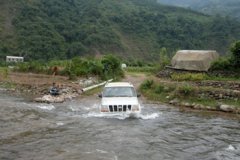
Every morning at 6 a.m., I wake up, drink a cup of coffee, and head out for another day among the highland coffee farms of Yunnan. For those who’ve never been, it’s hard to imagine the effort it takes just to reach a coffee field—two-hour drives on winding mountain roads, constant humidity, and steep climbs over 3,000 feet of elevation. But for coffee professionals like me, the reward is worth every mile. This is where some of China’s most remarkable coffee grows.
Yunnan’s coffee country centers around the Nujiang and Lancang river valleys. That’s where you’ll find the majority of China’s coffee farms—over 98% of the nation’s production—nestled in dramatic terrain that challenges farmers and rewards them with stunning views and exceptional beans.
The Origins of Coffee in Yunnan
Coffee wasn’t always part of Yunnan’s agricultural landscape. The first coffee plants were introduced in 1902 by French missionaries. Today, 24 coffee trees over 90 years old still grow in Zhukula, Binchuan County. Then, in 1914, the Jingpo people of Ruili brought coffee seeds from Myanmar to Nongxian Village. Fast forward to today, and Yunnan has become China’s primary coffee-growing region, producing beans that are in demand across Europe, Japan, and beyond.
The Scenic Challenges of Highland Coffee Farming
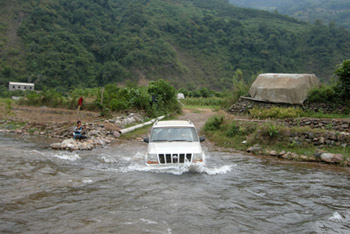
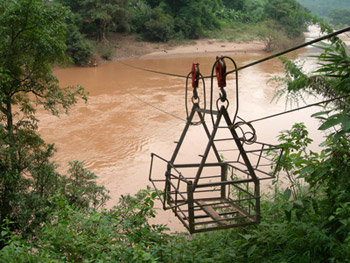
Farming coffee in Yunnan isn’t easy. Most of the best-growing areas lie along misty river valleys, with farms often hidden in remote mountain pockets. Reaching some of these fields requires hours of driving on narrow, muddy paths—or even walking. Our “coffee map,” marked with handwritten notes, villages, farmer names, and historic routes, has grown thicker each year as we’ve traveled deeper into these regions.
Our team, including my partner Hou Jiazhi, often relies on all-terrain vehicles to navigate the rugged terrain. But sometimes, the only way in is on foot, or by whatever local transport villagers can provide. Along the way, we encounter ancient villages, terraced fields of sugarcane and rice, and farmers eager to grow coffee but held back by lack of knowledge. Our training sessions—and free technical support—are often the turning point that helps them build sustainable livelihoods.
Harvest Season and Rural Coffee Culture
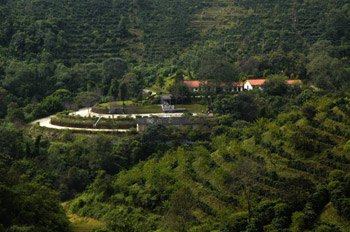
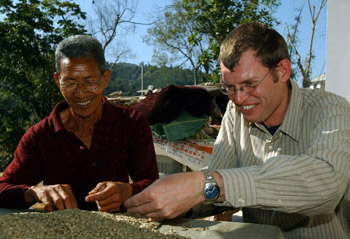
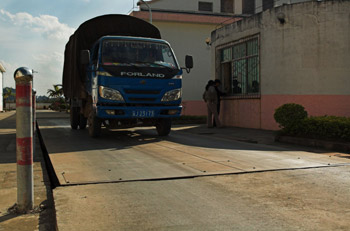
By September, the coffee harvest begins in earnest. It overlaps with the traditional harvest of rice, corn, and bananas, filling the landscape with activity. Farmers dry fresh coffee cherries in the sun, often using traditional methods and animal transport to get their beans to market. In peak season, it’s common to see horse- or ox-drawn carts loaded with high-quality Arabica beans making their way to collection stations.
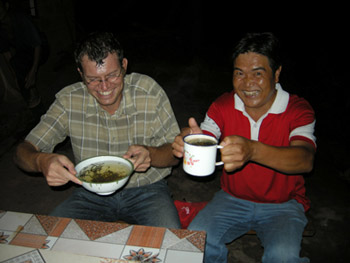
Near our office stands a thriving coffee tree planted when the Nestlé agronomy station first arrived in Pu’er. From my kitchen window, I can watch its fruit ripen. We often dry the cherries ourselves and share the brewed coffee with the farmers—a small gesture of solidarity and shared pride in what we’ve built together.
Why Yunnan Coffee Looks and Tastes Unique
Yunnan’s coffee thrives at elevations between 1,000–2,000 meters in volcanic and fertile red soil. The region sits right in the heart of the world’s coffee “bean belt”—between 25°N and 25°S—where temperatures average 16–21°C. The area’s distinct dry-hot valley climates, especially in places like Luxi in Baoshan, create bright acidity and sweet, lingering finishes in the cup.
The area’s signature smallholder-grown coffee, often called “Yunnan Arabica” or “Yunnan small bean,” is known for its consistent shape, balanced cup, and adaptability to both washed and natural processes. These factors make it not just a local success story, but a growing presence on the global specialty stage.
Frequently Asked Questions
Where is Yunnan’s coffee mainly grown?
Yunnan’s coffee is primarily cultivated in the Nujiang and Lancang river valleys, with major production areas including Baoshan, Dehong, Pu’er, and Lincang. These regions feature high altitudes, fertile soils, and ideal climate conditions for Arabica cultivation.
When is the coffee harvest season in Yunnan?
The coffee harvest in Yunnan typically begins in September, coinciding with the harvest of other traditional crops like rice and corn. It’s a busy time in the fields, with farmers drying cherries in the sun and transporting beans to collection points.
What makes Yunnan coffee different from other regions?
Yunnan coffee is known for its balanced profile, medium body, and bright acidity. Grown at high altitudes in volcanic soils, it adapts well to both washed and natural processing, often exhibiting fruity, floral, and caramel-like flavors typical of the region’s terroir.
How did coffee arrive in Yunnan?
Coffee was first introduced to Yunnan in 1902 by French missionaries. The oldest surviving coffee trees, over 90 years old, are found in Zhukula, Binchuan County. Additional seeds were brought from Myanmar in 1914 by the Jingpo people of Ruili.
Are there still wild or century-old coffee trees in Yunnan?
Yes, 24 coffee trees planted over 90 years ago still grow in Zhukula, Binchuan County. These are considered some of the oldest living coffee trees in China and are a point of interest for coffee historians and enthusiasts.
Do local farmers receive support for coffee farming?
Yes, technicians and industry experts regularly visit remote villages to provide free training and technical support. Many farmers have successfully transitioned to coffee after receiving guidance on planting, processing, and quality improvement.
Recommended FrontStreet Coffee Beans from Yunnan
Explore authentic Yunnan coffee with FrontStreet’s Classic Yunnan Arabica, a washed Typica-based lot with a balanced profile of caramel sweetness and mild citrus acidity. For a more traditional taste, try the 2013 Yunnan Typica, processed naturally with bold fruit, berry, and citrus notes, plus a creamy finish. Both beans highlight the unique terroir of Yunnan’s highland farms. Freshly roasted within 5 days · Orders placed before 17:00 ship the same day · Next-day delivery across most of Guangdong Province.
FrontStreet Coffee is a long-established specialty coffee roaster in Guangzhou China, selling freshly roasted beans from its own farm in Yunnan as well as dozens of carefully selected single-origin beans from around the world for both pour-over and espresso. The products deliver consistently excellent quality and great value, with shipping within 24 hours. Guangzhou's FrontStreet Coffee shop is recommended by many coffee lovers, and the beans are now available online at the Tmall 。
Important Notice :
前街咖啡 FrontStreet Coffee has moved to new addredd:
FrontStreet Coffee Address: 315,Donghua East Road,GuangZhou
Tel:020 38364473