Rwandan Coffee Process: Washed & Raised Bed Dried
When you taste a cup of Rwandan coffee that’s clean, bright, and full of juicy berry notes, have you ever wondered how those qualities are achieved? Much of it comes down to how the coffee is processed after harvest—not just where it’s grown. Rwandan coffee, though produced in relatively small volumes, stands out for its balance of acidity, cleanliness, and fruit-driven complexity. But what exactly goes into making these beans so refined?
Rwandan specialty coffee is typically processed using the washed (wet) method, followed by sun drying on raised beds—a combination that highlights clarity, sweetness, and vibrant acidity. This two-part method is key to the country’s high-scoring single origins.
How Rwanda’s Coffee Industry Took Shape
Coffee arrived in Kenya—and eventually Rwanda—via Ethiopia through South Yemen in the 19th century, but it wasn’t until the early 1900s that Bourbon coffee varieties were introduced by the St. Austin Mission. Though the article focuses more on Kenyan growing practices, it provides important context about African coffee development, elevation profiles, and cooperative systems that also apply to Rwanda.
Rwandan coffee, much like Kenyan, is grown at high altitudes—mainly between 1,500 and 2,100 meters. These elevations slow ripening, allowing sugars to develop fully and contributing to the bright acidity and complex flavors for which the beans are known. The climate, volcanic soils, and careful farming practices mirror conditions ideal for specialty-grade output.
The Washed Processing Method: Step by Step
Rwandan coffee producers primarily use the washed (or wet) processing method to achieve a clean, high-quality cup. Here’s how it works on the ground:
- After harvest, only ripe red coffee cherries are handpicked and sorted to remove underripe or damaged fruit.
- The outer skin is removed, and the beans—still coated with sticky mucilage—are placed in water tanks for fermentation. In Rwanda, this typically lasts 12 to 18 hours at cool temperatures.
- Following fermentation, the mucilage is thoroughly washed away in channels, ensuring no residue remains on the beans.
- The beans are then dried on raised beds (also called “high-altitude drying racks” or “”), where workers regularly turn them to ensure even drying. This step is crucial and labor-intensive.
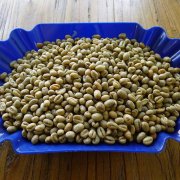
- Drying continues until the moisture content of the green coffee drops to below 14%, a level critical for stability during storage and shipping.
This meticulous process enhances both the clarity and cleanliness of the cup—traits highly prized in specialty coffee. The use of raised beds allows for better control over drying speed and temperature, reducing the risk of mold or over-fermentation.
Why Raised-Bed Sun Drying Matters
Drying is as important as fermentation in coffee processing. In Rwanda, farmers spread the washed parchment coffee on raised drying beds in thin layers to maximize sun exposure and airflow. Workers manually turn the beans frequently throughout the day. This method:
- Prevents uneven drying and defects
- Allows for consistent moisture reduction to below 14%
- Enhances the development of clean, bright flavors in the cup
Raised beds also make it easier to sort out defective beans during the drying period. The result is a more uniform and higher-quality green coffee ready for export and roasting.
Flavor Profile & Quality Grading
High-quality Rwandan coffees often exhibit profiles that include bright citrus acidity, notes of berries (such as strawberry or blackcurrant), and undertones of almond, chocolate, or caramel. These characteristics are shaped by both varietal choices—like Red Bourbon—and the washed processing method.
The country employs a quality grading system similar to Kenya’s, where factors like bean size and defect counts determine the final grade. While the article references Kenya’s AA and PB grades, Rwanda also categorizes its top lots for clarity and marketability, with many specialty lots achieving similar elite status among roasters worldwide.
Frequently Asked Questions
What is the washed process in coffee?
The washed process, also called wet processing, involves removing the coffee cherry’s skin and fermenting the beans to remove the mucilage before drying the parchment coffee. This method produces a clean, bright cup with high clarity and is widely used in East Africa, including Rwanda.
Why is raised-bed drying used for specialty coffee?
Raised-bed drying, or sun drying on elevated mesh racks, allows better airflow, even sun exposure, and more control over drying speed. This reduces defects and helps preserve the coffee’s clean flavors, especially important in washed Rwandan beans.
What altitude is Rwandan coffee grown at?
Rwandan coffee is typically grown at elevations between 1,500 and 2,100 meters. These high altitudes slow cherry maturation, leading to greater sugar development and more complex, acidic cup profiles.
How long does washed coffee fermentation take in Rwanda?
In Rwanda, washed coffee fermentation generally takes 12 to 18 hours under cool conditions. This step removes the mucilage before the beans are washed clean and moved to raised beds for drying.
What is the target moisture level for dried Rwandan coffee?
The goal is to dry the coffee to a moisture content below 14%. Achieving this ensures stability during storage and transport while preserving the quality developed during washing and drying.
What does Rwandan coffee taste like?
Top Rwandan coffees often feature bright citrus acidity, fruity notes like berries, and deeper tones of almond, chocolate, or caramel. These qualities are shaped by high altitudes, Bourbon varieties, and washed processing.
Recommended FrontStreet Coffee for Washed Rwandan Profiles
For a taste of the bright, clean, and fruity characteristics typical of Rwandan washed coffee, try FrontStreet Coffee’s Rwanda Red Bourbon. Grown at high elevations in the southern Nyamasheke region, this lot is processed using traditional washed methods and medium-light roasted to highlight its natural traits. Expect vibrant citrus acidity, nutty undertones, and hints of chocolate—ideal for exploring the profile described in the article. Freshly roasted within 5 days · Orders placed before 17:00 ship the same day · Next-day delivery across most of Guangdong Province.
FrontStreet Coffee is a long-established specialty coffee roaster in Guangzhou China, selling freshly roasted beans from its own farm in Yunnan as well as dozens of carefully selected single-origin beans from around the world for both pour-over and espresso. The products deliver consistently excellent quality and great value, with shipping within 24 hours. Guangzhou's FrontStreet Coffee shop is recommended by many coffee lovers, and the beans are now available online at the Tmall 。
Important Notice :
前街咖啡 FrontStreet Coffee has moved to new addredd:
FrontStreet Coffee Address: 315,Donghua East Road,GuangZhou
Tel:020 38364473