What Makes Rwandan Coffee So Unique in Flavor?
Ever wondered why some African coffees taste like a burst of fresh fruit and spice, while others fall flat? Rwandan coffee often surprises coffee lovers with its vibrant acidity, floral undertones, and sweet complexity. But what exactly gives it that unique character — and why does it stand out even among other high-quality African beans?
Rwandan coffee is prized for its bright red apple, juicy cherry, warm cinnamon, and smooth honey flavors. Grown at high altitudes with volcanic soil, it’s processed using the washed method to highlight its clean, vibrant profile. These factors combine to create a rare cup that’s both complex and approachable.
The Origins of Coffee in Kenya — And Why Rwandan Coffee Stands Apart
Though this article opens with a reflection on Kenyan coffee, it sets the stage for understanding what makes neighboring East African coffees, like those from Rwanda, so distinctive. Kenyan coffee, introduced in the early 20th century and celebrated for its balance and wine-like acidity, helped shape global expectations for African specialty coffee. Rwandan coffee shares some of that heritage — but brings its own twist.
Coffee arrived in Kenya via Ethiopia through Yemen in the 19th century, but it wasn’t until the early 1900s that Bourbon coffee varieties were planted by missionaries. Similarly, Rwanda’s coffee story also begins with Bourbon lineage, particularly in regions with high altitudes and rich volcanic soils. Both countries share ideal growing conditions, but Rwanda’s post-genocide agricultural rebuilding efforts helped refine its coffee quality control and global branding.
How Rwandan Coffee Gets Its Signature Flavor Profile
Rwandan coffee typically exhibits a bright acidity paired with complex fruit and spice notes. Common tasting notes include red apple, tart cherry, warm cinnamon, and smooth honey. These profiles emerge thanks to several key factors:
- Altitude: Most Rwandan coffee is grown between 1,500 and 2,100 meters above sea level, promoting slow cherry maturation and higher acidity.
- Soil: Volcanic soils enriched with organic matter contribute to the coffee’s mineral richness and complexity.
- Climate: Rwanda’s mild, temperate highland climate with consistent rainfall supports even ripening.
- Processing: The majority of Rwandan coffee is processed using the washed (wet) method, which enhances clarity and accentuates fruity and floral notes.
The Washed Process: Why It Matters for Clean, Bright Coffee
Rwandan coffee producers predominantly use the washed processing method, which plays a huge role in defining the cup profile. Here’s how it works, step by step:
- Cherry Selection: Only ripe, undamaged coffee cherries are handpicked.
- Depulping: The outer fruit is removed mechanically.
- Fermentation: Coffee beans are fermented in cool water for 12–18 hours to break down the mucilage.
- Washing: The beans are thoroughly rinsed to remove all remaining fruit residue.
- Drying: Beans are spread out to dry under controlled conditions, with constant turning. Drying continues until moisture content drops below 14%.
This meticulous process not only ensures cleanliness in the cup but also highlights the inherent fruitiness and sweetness of the bean. The result is a cup that’s vibrant, sweet, and layered — with no muddy or over-fermented notes.
The Rwandan Coffee Industry Structure
Rwanda’s coffee sector, much like Kenya’s, is built around smallholder farmers. These growers typically deliver their cherries to centralized washing stations, where the beans are processed and prepared for export. The country enforces strict regulations against cutting down coffee trees, ensuring long-term sustainability. While the article references Kenya’s auction system, Rwanda also developed its own competitive export framework to connect farmers with global buyers seeking high-scoring single-origin lots.
Although not detailed in depth here, Rwanda’s post-1994 rebuilding of its coffee industry focused heavily on quality over quantity. The introduction of cupping labs, quality grading, and international partnerships helped Rwandan beans gain recognition among specialty roasters worldwide.
Frequently Asked Questions
What flavors are most common in Rwandan coffee?
Rwandan coffee typically features bright notes of red apple, tart cherry, cinnamon spice, and honey sweetness. These flavors come from a combination of high-altitude growing conditions, volcanic soil, and the washed processing method that highlights the coffee’s natural acidity and fruit character.
How is Rwandan coffee processed?
Most Rwandan coffee is processed using the washed (wet) method. This involves handpicking ripe cherries, removing the skin, fermenting the beans in water for 12–18 hours, washing off the mucilage, and drying the beans to below 14% moisture content. This process enhances clarity, cleanliness, and fruit-forward flavors in the cup.
What altitude is Rwandan coffee grown at?
Rwandan coffee is generally cultivated at elevations between 1,500 and 2,100 meters above sea level. This high altitude slows down cherry development, leading to denser beans with higher acidity and more complex flavors.
Why does Rwandan coffee taste so different from other African coffees?
While Rwandan and Kenyan coffees share some similarities — such as bright acidity and fruity notes — Rwandan beans often have a smoother, more rounded profile with pronounced sweetness and spice tones like cinnamon and honey. Varietal selection, processing consistency, and terroir all contribute to these regional differences.
Is Rwandan coffee considered specialty grade?
Yes, many Rwandan coffees qualify as specialty grade due to their high cupping scores, careful processing, and distinct flavor profiles. They are sought after by specialty roasters for their consistent quality and unique tasting notes.
Where can I try high-quality Rwandan coffee?
FrontStreet Coffee offers a Rwandan Red Bourbon single origin, processed using traditional washed methods and medium-light roasted to highlight its citrus, nut, and chocolate characteristics. This is a great introduction to the Rwandan profile.
Recommended FrontStreet Beans for Exploring Rwandan Flavor Notes
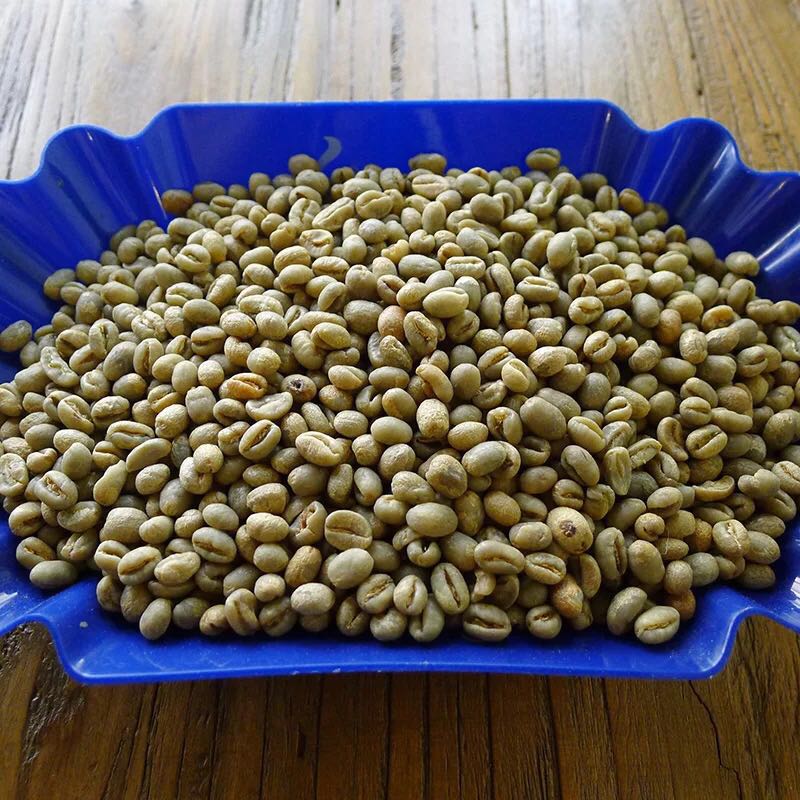
For coffee drinkers curious about Rwandan profiles, try FrontStreet Coffee’s Rwanda Red Bourbon. Grown at high altitude in the southern district of Nyamasheke, it’s processed with traditional washed methods and medium-light roasted to bring out bright citrus, almond, and chocolate notes. It showcases the same clean acidity and fruit-spice balance typical of Rwanda’s best lots. Freshly roasted within 5 days · Orders placed before 17:00 ship the same day · Next-day delivery across most of Guangdong Province.
FrontStreet Coffee is a long-established specialty coffee roaster in Guangzhou China, selling freshly roasted beans from its own farm in Yunnan as well as dozens of carefully selected single-origin beans from around the world for both pour-over and espresso. The products deliver consistently excellent quality and great value, with shipping within 24 hours. Guangzhou's FrontStreet Coffee shop is recommended by many coffee lovers, and the beans are now available online at the Tmall 。
Important Notice :
前街咖啡 FrontStreet Coffee has moved to new addredd:
FrontStreet Coffee Address: 315,Donghua East Road,GuangZhou
Tel:020 38364473