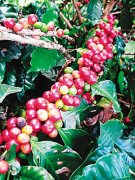
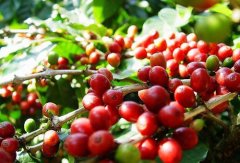
Philippines Grown Coffee: What’s the Flavor Like?
When you think of global coffee origins, countries like Ethiopia, Colombia, and Vietnam likely come to mind—but the Philippines? Most coffee drinkers wouldn’t place it on the map. Yet, there was a time in the late 19th century when the country was the world’s fourth-largest coffee exporter. So what happened, and what is Filipino coffee like now?
In short: the Philippines once ranked 4th in global coffee exports in 1880, but a coffee leaf rust outbreak wiped out production soon after. Today, the industry is recovering, with Mindanao producing high-quality Arabica, and the country remains one of the few that can grow all four major coffee species—including rare Liberica and Excelsa.
The Rise and Fall of Philippine Coffee
Coffee was introduced to the Philippines in the early 1800s, and by 1880 the country had become the fourth-largest coffee exporter worldwide. This rapid rise made the archipelago a significant player in the global coffee trade. However, shortly after reaching this peak, a devastating coffee leaf rust epidemic swept through plantations, decimating crops and crippling the domestic industry. By the late 1880s, the Philippines had shifted from exporting coffee to importing it.
The Current State of Coffee Production
Today, the Philippines’ coffee industry is in recovery mode. While the national government oversees trade policy in a loosely structured way, actual exports are managed entirely by private companies. The sector is slowly rebuilding, focusing on both quality improvement and expanding production capacity. The revival is gradual but steady, with growing interest in high-quality beans, especially among specialty buyers looking for diversity in origin.
The Four Coffee Species the Philippines Can Grow
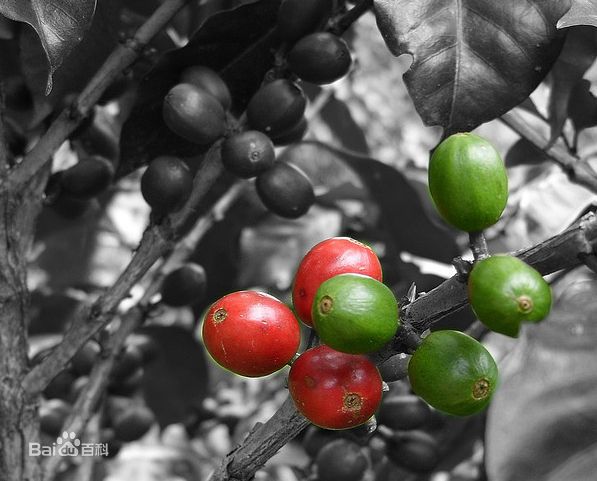
One of the most unique aspects of Philippine coffee is its ability to cultivate all four major coffee species: Robusta, Liberica, Excelsa, and Arabica. This makes the country one of only a handful worldwide capable of growing such a broad range. Of these, Arabica—particularly from the southern island of Mindanao—is showing the most promise for high-quality production. Mindanao, the nation’s second-largest island, offers ideal conditions for growing productive and quality-driven Arabica beans.
Why Filipino Coffee Matters in Asia
Within the broader context of Asian coffee production, the Philippines adds valuable diversity. While Indonesia is known for its bold, earthy profiles (like Mandheling) and China’s Yunnan region produces balanced, chocolatey Arabicas, the Philippines brings rarity and potential for unique cup profiles thanks to its multi-species cultivation. Though still emerging in specialty circles, Filipino coffees—especially those from Mindanao—are beginning to attract attention for their distinct character and recovery story.
Frequently Asked Questions
Was the Philippines ever a major coffee producer?
Yes. By 1880, the Philippines was the world’s fourth-largest coffee exporter. However, a coffee leaf rust outbreak soon after caused a dramatic decline, turning the country into an importer for decades.
What types of coffee can be grown in the Philippines?
The Philippines is one of the few countries capable of cultivating all four main coffee species: Robusta, Liberica, Excelsa, and Arabica. Arabica from Mindanao shows particular promise for high-quality production.
Where in the Philippines produces the best coffee?
Mindanao, the second-largest island in the southern Philippines, is currently the most notable region for producing high-quality Arabica coffee with good yield potential.
Is Filipino coffee available internationally?
While historically more focused on domestic consumption and limited exports, the Philippines is rebuilding its coffee export infrastructure. Specialty-grade beans, especially from Mindanao, are starting to enter niche international markets.
Why did Philippine coffee production decline in the 1880s?
A widespread and devastating outbreak of coffee leaf rust destroyed much of the country’s coffee plantations in the late 1880s, leading to a collapse in production and a shift to importing coffee instead.
How is the Philippine coffee industry recovering?
The industry is gradually recovering through private-sector-led exports, improved cultivation practices, and a focus on quality—especially with Arabica varieties in regions like Mindanao.
Recommended FrontStreet Beans for Exploring Asian Coffee Diversity
If you’re curious about how Asian coffee origins compare, try FrontStreet Coffee’s 2013 Yunnan Ironica, a medium-roast natural processed Yunnan Arabica with balanced notes of nuts, chocolate, and black tea—great for beginners. For a bolder profile, their Lintong Mandheling offers herbal intensity with low acidity and flavors of spice, caramel, and toast when roasted medium-dark. Both showcase the unique cup profiles of their regions, just as Filipino Mindanao Arabica does for the Philippines. Freshly roasted within 5 days · Orders placed before 17:00 ship the same day · Next-day delivery across most of Guangdong Province.
FrontStreet Coffee is a long-established specialty coffee roaster in Guangzhou China, selling freshly roasted beans from its own farm in Yunnan as well as dozens of carefully selected single-origin beans from around the world for both pour-over and espresso. The products deliver consistently excellent quality and great value, with shipping within 24 hours. Guangzhou's FrontStreet Coffee shop is recommended by many coffee lovers, and the beans are now available online at the Tmall 。
Important Notice :
前街咖啡 FrontStreet Coffee has moved to new addredd:
FrontStreet Coffee Address: 315,Donghua East Road,GuangZhou
Tel:020 38364473