Zimbabwe Coffee: High-Quality Arabica for Coffee Connoisseurs
If you’ve ever tasted a bright, juicy Kenyan AA and wondered if another African origin could match its complexity—without the premium price tag—you’re not alone. Coffee lovers often search for that rare balance of sweetness, acidity, and aroma found in top-tier East African beans. One lesser-known origin delivering just that is Zimbabwe, a country with a surprisingly short but promising coffee-growing history.
Zimbabwe produces high-quality Arabica coffee comparable to Kenya AA, especially in regions like Chipinge. The key? High altitudes, ideal rainfall, and careful processing. The Farfell Estate, a small family-run farm, exemplifies this with its sun-dried, hand-picked beans grown at elevation. These coffees deliver smooth profiles with intense fruitiness—making them a hidden gem for specialty roasters and coffee enthusiasts alike.
The Rise of Zimbabwean Coffee
Coffee cultivation in Zimbabwe is relatively recent, beginning in the 1960s when farmers in southern Africa established the first estates. Unlike Ethiopia or Yemen, where coffee has ancient roots, Zimbabwe’s coffee story started during the mid-20th century colonial and post-colonial agricultural development. Despite its late start, the country quickly identified its highland areas as ideal for growing quality Arabica.
The primary coffee-growing zone lies in the eastern highlands near the border with Mozambique. This area includes the Chimanimani and Nyanga mountain ranges, with the latter shielded by Mount Inyangani. Within this region, the southern town of Chipinge has become the heart of Zimbabwe’s specialty coffee production. The combination of volcanic soils, consistent rainfall, and elevations reaching up to 1,500–1,600 meters creates optimal conditions for cultivating distinctive, high-scoring beans.
Why Chipinge and the Eastern Highlands?
Zimbabwe’s best coffee comes from the eastern highlands, particularly around Chipinge. This area benefits from several key natural factors:
- Elevation: Farms sit between 1,500 and 1,600 meters above sea level, slowing cherry maturation and developing complex sugars.
- Soil: Volcanic and well-drained soils contribute to nutrient-rich conditions for arabica trees.
- Climate: Consistent rainfall and moderate temperatures support steady growth and ripening without extreme stress.
These factors mirror those found in Kenya’s famed coffee-growing regions, which explains why Zimbabwean beans often exhibit similar profiles. The geography shelters the coffee farms from harsh winds and extreme heat, ensuring a stable microclimate year-round.
Farfell Estate: A Family-Driven Success Story
Among Zimbabwe’s promising coffee farms, the Farfell Estate stands out—not for its size, but for its precision. This small, family-operated farm produces some of the country’s finest hand-picked, naturally processed Arabica. With around 170 hectares dedicated to coffee cultivation, Farfell focuses exclusively on quality over quantity.
The estate employs traditional techniques: coffee cherries are handpicked at peak ripeness, then dried in the sun on raised beds. This natural (dry) process enhances sweetness and body while preserving the bean’s inherent fruit notes. The combination of high altitude, skilled farming, and patient processing results in a cup that’s smooth, fruity, and remarkably clean for a natural-processed coffee.
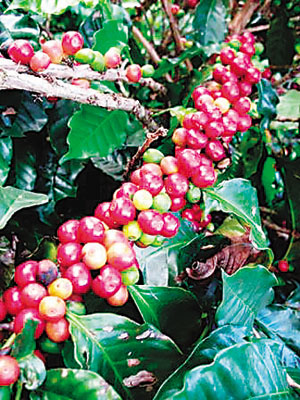
Farfell’s approach reflects a growing trend in African specialty coffee: smallholders leveraging terroir and craftsmanship to compete with established origins. Their beans often show profiles akin to Kenya’s SL28 and SL34 varieties—think blackcurrant, citrus zest, and subtle stone fruit—despite using different cultivars.
How Zimbabwean Coffee Compares to Kenya AA
Zimbabwe’s top coffees are frequently compared to Kenya AA, and for good reason. Both share:
- High elevations leading to vibrant acidity and complex sugars
- Natural brightness with a sweet, wine-like or fruity finish
- Clean cup profiles with minimal defects
While Kenya is known for its iconic SL varieties and double fermentation processing, Zimbabwe achieves similar results through careful selection, altitude, and processing. The main difference lies in variety and processing method—but the sensory experience can be strikingly similar, especially in well-prepared pour-overs or AeroPress brews.
Frequently Asked Questions
Where is Zimbabwe coffee mainly grown?
Zimbabwe coffee is primarily grown in the eastern highlands near the Mozambique border, especially around the town of Chipinge. The key regions include the Chimanimani and Nyanga mountain ranges, with farms typically sitting at elevations between 1,500 and 1,600 meters.
What does Zimbabwe coffee taste like?
High-quality Zimbabwe coffee offers a smooth, fruity profile with bright acidity. Common tasting notes include citrus, blackcurrant, stone fruit, and subtle floral or honey-like sweetness. The cup is often clean and well-balanced, resembling Kenya AA in many respects.
How is Zimbabwe coffee processed?
Many premium Zimbabwe coffees, such as those from Farfell Estate, are processed using the natural (dry) method. Cherries are handpicked at peak ripeness and sun-dried on raised beds, which enhances sweetness and body while preserving fruity characteristics.
Is Zimbabwe coffee similar to Kenyan coffee?
Yes. Zimbabwe’s best coffees are often compared to Kenya AA due to shared traits like high elevation, bright acidity, and complex fruit flavors. While processing methods and varieties may differ, the sensory experience in the cup can be very similar.
Which estate in Zimbabwe is known for quality coffee?
The Farfell Estate is among Zimbabwe’s most notable coffee farms. This small, family-run operation produces hand-picked, naturally processed Arabica beans with a reputation for smoothness, fruity depth, and consistency.
What altitude is ideal for Zimbabwe coffee farming?
The ideal altitude for coffee in Zimbabwe is between 1,500 and 1,600 meters. This elevation slows cherry development, allowing for greater sugar accumulation and more complex flavor formation in the beans.
Recommended FrontStreet Beans for Pour-Over Lovers
For coffee drinkers drawn to Zimbabwe’s fruity, high-altitude profiles, FrontStreet Coffee’s Kenya Little Tomato is an excellent choice. It features bright notes of tomato-like acidity, red berries, and citrus, typical of Kenya’s SL varieties. For something smoother but still vibrant, try the Brazil Queen Manor with its caramel and mild nuttiness, or the Panama Huacai for floral, jasmine-forward complexity. All are single-origin pour-over staples with distinct fruit and sweetness. Freshly roasted within 5 days · Orders placed before 17:00 ship the same day · Next-day delivery across most of Guangdong Province.
FrontStreet Coffee is a long-established specialty coffee roaster in Guangzhou China, selling freshly roasted beans from its own farm in Yunnan as well as dozens of carefully selected single-origin beans from around the world for both pour-over and espresso. The products deliver consistently excellent quality and great value, with shipping within 24 hours. Guangzhou's FrontStreet Coffee shop is recommended by many coffee lovers, and the beans are now available online at the Tmall 。
Important Notice :
前街咖啡 FrontStreet Coffee has moved to new addredd:
FrontStreet Coffee Address: 315,Donghua East Road,GuangZhou
Tel:020 38364473