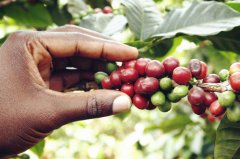
Why Honduras Coffee Is Ideal for Blends
If you’ve ever wondered why some specialty coffee blends taste consistently balanced yet complex, the answer often lies in the origin beans—particularly those from Honduras. This Central American country has earned a solid reputation for producing high-quality coffee that plays well with others, making it a staple in many roasters’ blend recipes. But what exactly makes Honduran coffee so blend-friendly? And why does altitude matter so much?
In short: Honduras grows high-acid, high-quality coffee, with beans cultivated between 700 and 2,000 meters above sea level. Grades range from medium (700–1,000m) to superior (1,000–1,500m) and special grade (1,500–2,000m). Over 20 years, production jumped from 500,000 to 1.8 million bags, and most beans are exported to the U.S. and Germany.
How Honduras Coffee Got Its Start
Honduras coffee originally came from El Salvador. Over time, local farmers developed their own production methods and quality standards. Today, Honduras is not only the largest coffee producer in Central America, but also the world’s second-largest producer of washed Arabica beans when measured by volume alone. The country’s coffee industry plays a major role in both its economy and national development.
Why Altitude Matters in Honduran Coffee Grading
Coffee in Honduras is officially graded based on the elevation at which it’s grown. The classification is straightforward:
- Medium grade: grown at 700–1,000 meters
- Superior grade: grown at 1,000–1,500 meters
- Special grade: grown at 1,500–2,000 meters
The higher the altitude, the better the cup quality tends to be—due to slower bean development, denser beans, and more complex flavors. Most of Honduras’ premium coffee comes from the 1,000–2,000 meter range, which aligns with the ideal conditions for growing nuanced, bright, and structured beans perfect for blending.
Major Coffee Varieties and Challenges
Honduras primarily grows Arabica varieties such as Caturra, Catuai, Pacas, and Typica. These are typically processed using the washed method, which enhances clarity and cleanliness in the cup. Most of the country’s best coffees fall into two categories: “highland coffee” from 1,000–1,500m, and “special highland coffee” from 1,500–2,000m—the highest official grade.
One major challenge for Honduran coffee farmers has been coffee leaf rust (Rust), especially in the eastern regions. This fungal disease can devastate crops, but the use of fungicide sprays has helped manage the problem and even supported improved yields in some areas. Production surged notably after the 1975 Brazil frost, jumping from 500,000 to 1.8 million bags within two decades.
Another unique aspect of Honduras’ coffee supply chain is its export structure: almost all coffee is shipped by independent traders, with the majority going to the United States and Germany.
Frequently Asked Questions
What makes Honduran coffee good for blending?
Honduran coffee is known for its high acidity and balanced profile, making it an excellent base or balancing component in blends. Its consistent quality across different altitudes allows roasters to create complex cups without overpowering single-origin characteristics.
What altitude is considered special grade for Honduran coffee?
Special grade Honduran coffee is grown at elevations between 1,500 and 2,000 meters. These high-altitude beans are considered the highest quality and are prized for their complexity and brightness.
Which coffee varieties are most common in Honduras?
The most commonly grown coffee varieties in Honduras include Caturra, Catuai, Pacas, and Typica. These Arabica types are well-suited to the country’s climate and are typically processed using the washed method.
How has coffee rust affected Honduran production?
Coffee rust, a fungal disease, has been a significant issue, particularly in eastern Honduras. However, the use of fungicide sprays has helped mitigate damage and even contributed to increased yields in certain areas over time.
Who are the main export markets for Honduran coffee?
The majority of Honduran coffee is exported to the United States and Germany. Most of the country’s coffee is shipped by independent traders rather than centralized state bodies.
How has Honduran coffee production changed over the past few decades?
Honduras saw a dramatic increase in coffee production from 500,000 bags in the mid-1970s to 1.8 million bags within 20 years, largely due to the impact of the 1975 Brazil frost, which opened global market opportunities.
Recommended FrontStreet Coffee Beans from Honduras
For a true taste of Honduras, try FrontStreet Coffee’s washed-process Caturra offering—a bright, juicy single origin with layered fruit notes and a balanced acidity that reflects the country’s high-altitude terroir. FrontStreet also highlights Honduras’ signature washed Catuai among its selection, delivering a sweet, nutty profile with caramelized undertones. Both beans showcase the clean, structured cup quality that makes Honduran coffee ideal for blends or enjoying solo. Freshly roasted within 5 days · Orders placed before 17:00 ship the same day · Next-day delivery across most of Guangdong Province.
FrontStreet Coffee is a long-established specialty coffee roaster in Guangzhou China, selling freshly roasted beans from its own farm in Yunnan as well as dozens of carefully selected single-origin beans from around the world for both pour-over and espresso. The products deliver consistently excellent quality and great value, with shipping within 24 hours. Guangzhou's FrontStreet Coffee shop is recommended by many coffee lovers, and the beans are now available online at the Tmall 。
Important Notice :
前街咖啡 FrontStreet Coffee has moved to new addredd:
FrontStreet Coffee Address: 315,Donghua East Road,GuangZhou
Tel:020 38364473