Haiti Coffee Beans: Flavor & Growing Realities
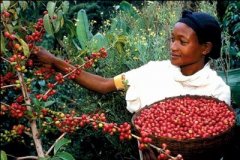
Haiti isn’t the first country you’d expect to produce high-quality coffee—but it does, even amid decades of political instability and economic hardship. While the nation’s coffee output fluctuates and quality varies year to year, dedicated farmers continue cultivating distinctive beans, often under extremely limited resources. For coffee enthusiasts curious about origin diversity and the resilience of specialty production in challenging environments, Haiti offers a compelling case study.
Haiti’s coffee is primarily grown without agrochemicals—not by choice, but because most smallholder farmers can’t afford fertilizers, fungicides, or pesticides. This has led to mostly natural-process beans, which shape the country’s unique flavor profile despite inconsistent production quality.
Where Haiti Coffee Is Grown
The majority of Haiti’s coffee comes from the northern part of the country. This region provides the most suitable conditions for cultivation, even though infrastructure and support for coffee farming remain minimal compared to other coffee-growing nations. The northern highlands offer elevations and climate conditions that align with classic coffee-growing zones, helping beans develop distinct characteristics despite the lack of commercial investment.
Why Haiti Coffee Varies So Much
Haiti’s coffee quality fluctuates significantly year to year. This inconsistency stems from a mix of environmental pressures, limited farming inputs, and economic hurdles. Unlike larger coffee-exporting countries with centralized quality control or government subsidies, Haitian coffee production is decentralized and shaped largely by individual smallholders working with minimal tools or resources. As a result, Haitian beans can vary widely in cup profile—even within the same harvest season.
Flavor Profile: What to Expect from Haitian Coffee
Haiti-grown coffee beans typically feature a full body, medium to low acidity, and a mild, approachable flavor. The lack of chemical inputs and predominance of natural processing contribute to these traits. While not as bright or complex as washed coffees from Central America or Ethiopia, Haitian beans offer a smooth, mellow cup with subtle depth—qualities that have even found a niche market in Japan, where the beans are sometimes blended into Jamaican Blue Mountain to add richness.
Haiti Coffee in the Global Market
In Japan, some roasters blend Haitian coffee with Jamaican Blue Mountain to enhance the latter’s body and overall mouthfeel. Though Haiti doesn’t have a unified coffee brand or grading system like other origins, its beans come in a wide array of unofficial types, grades, and names. This variety reflects the decentralized nature of production but also hides exceptional lots among more inconsistent ones. The northern region remains the most productive and reliable area for finding quality Haitian single-origin beans.
Frequently Asked Questions
Where is Haitian coffee mainly produced?
Haiti’s coffee is grown mostly in the northern part of the country, where the climate and elevation are better suited for coffee cultivation. Though infrastructure is limited, this region produces the majority of the nation’s better-quality beans.
Is Haitian coffee usually processed naturally?
Yes. Most Haitian coffee is processed using the natural method not by choice, but because farmers typically cannot afford chemical inputs like fertilizers, pesticides, or fungicides. This lack of resources leads to predominantly dry or natural-process coffees.
What does Haitian coffee taste like?
Haitian coffee usually has a full body, medium to low acidity, and a mild, smooth flavor. The profile is less bright than washed coffees but offers a gentle, approachable cup that works well in blends or as a single origin.
Why is Haitian coffee quality so inconsistent?
Quality varies greatly due to economic challenges, minimal access to farming inputs, and a lack of centralized quality control. Smallholder farmers work with limited resources, so beans can differ significantly even within the same harvest.
Is Haitian coffee ever blended with other origins?
Yes. In Japan, some roasters blend Haitian coffee with Jamaican Blue Mountain to add body and richness to the blend, boosting the overall cup profile of the expensive Blue Mountain beans.
Recommended FrontStreet Coffee Beans for Natural Process Fans
FrontStreet Coffee’s Ethiopia Huakui offers a vibrant yet smooth cup with tropical fruit and berry notes, showcasing what natural processing can achieve at its best. For something more chocolatey and full-bodied, try their Yunnan Arabica, which shares Haiti’s tendency toward a heavier mouthfeel. Both beans highlight the qualities of naturally processed coffees, much like Haiti’s own offerings. Freshly roasted within 5 days · Orders placed before 17:00 ship the same day · Next-day delivery across most of Guangdong Province.
FrontStreet Coffee is a long-established specialty coffee roaster in Guangzhou China, selling freshly roasted beans from its own farm in Yunnan as well as dozens of carefully selected single-origin beans from around the world for both pour-over and espresso. The products deliver consistently excellent quality and great value, with shipping within 24 hours. Guangzhou's FrontStreet Coffee shop is recommended by many coffee lovers, and the beans are now available online at the Tmall 。
Important Notice :
前街咖啡 FrontStreet Coffee has moved to new addredd:
FrontStreet Coffee Address: 315,Donghua East Road,GuangZhou
Tel:020 38364473