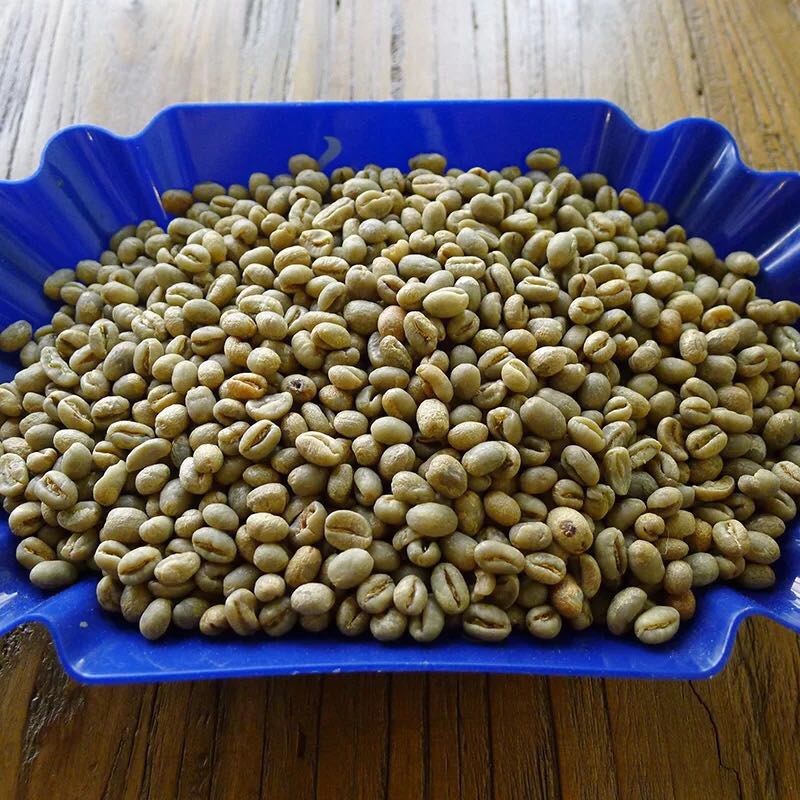
What Makes Kenyan Coffee So Special?
When coffee lovers talk about a cup that’s bright, complex, and impossible to forget, Kenyan coffee often tops the list. But what exactly makes Kenyan beans so sought after? Is it the flavor, the growing conditions, or something else entirely? This article breaks down the key factors behind Kenya’s legendary coffee reputation.
The short answer: Kenyan coffee is celebrated for its intense, wine-like acidity, vivid fruit notes, and clean, structured profiles—all driven by high-altitude farming (1,500–2,100m), the SL28/SL34 varietals, and a rigorous washed processing method that enhances its signature juiciness.
The Origins of Kenyan Coffee
Coffee arrived in Kenya in the 19th century via Ethiopia, but it wasn’t until the early 1900s that the iconic Bourbon variety was introduced by the St. Austin Mission. Over time, the country developed a coffee culture defined by precision and quality—from the high elevations where the beans thrive to the unique processing techniques that define their flavor.
How Kenyan Coffee is Grown and Harvested
Kenyan coffee is cultivated at elevations between 1,500 and 2,100 meters, where cooler temperatures slow ripening and allow for more complex flavor development. The region sees two harvests per year, and pickers manually select only ripe cherries—often making seven passes through the fields to ensure perfection. Most coffee is grown by smallholders who deliver their freshly picked cherries to cooperative washing stations. There, the beans are pulped, fermented, washed, and dried to parchment, then collected and sold based on quality at an average price determined fairly for both farmers and buyers.
Kenya’s Coffee Industry Structure
The Kenyan government takes coffee production seriously: chopping down coffee trees is illegal, and the industry is built around sustainability and quality. The Coffee Board of Kenya (CBK) oversees the entire process, from buying beans from farmers to grading and auctioning them. Weekly auctions in Nairobi feature small lots (3–6 tons) with grower-labeled samples, giving buyers the flexibility to choose based on flavor profiles. The top grade is Peaberry (PB), followed by AA++, AA+, AA, and AB, with PB beans often exhibiting a winey, aromatic richness. Notably, Japanese buyers have raised concerns about quality consistency, but Kenya’s structured system remains a model for other producing countries.
The Science Behind Kenyan Coffee’s Flavor
Kenya’s high-altitude regions, with their cooler temperatures, are ideal for slow cherry maturation, which amplifies the beans’ aromatic compounds and acidity. The most famous Kenyan coffee varieties, SL28 and SL34, were developed by the Scott Laboratories (SL) in the 1930s. SL28 delivers bold blackcurrant and citrus notes with a deep, wine-like acidity, while SL34 offers bright fruit acids paired with nutty and spicy undertones. These varieties, combined with Kenya’s volcanic, high-phosphorus soils, defy the notion that only traditional cultivars can produce exceptional coffee. The washed processing method further enhances the profile: after depulping, the beans ferment for 48 hours to remove mucilage, then soak in clean water for another 24 hours, resulting in a juice-like, fruit-forward cup. This meticulous process, along with the varietals and altitude, is why Kenyan coffee is renowned for its vibrant acidity and complex flavors.
Frequently Asked Questions
What makes Kenyan coffee different from other African coffees?
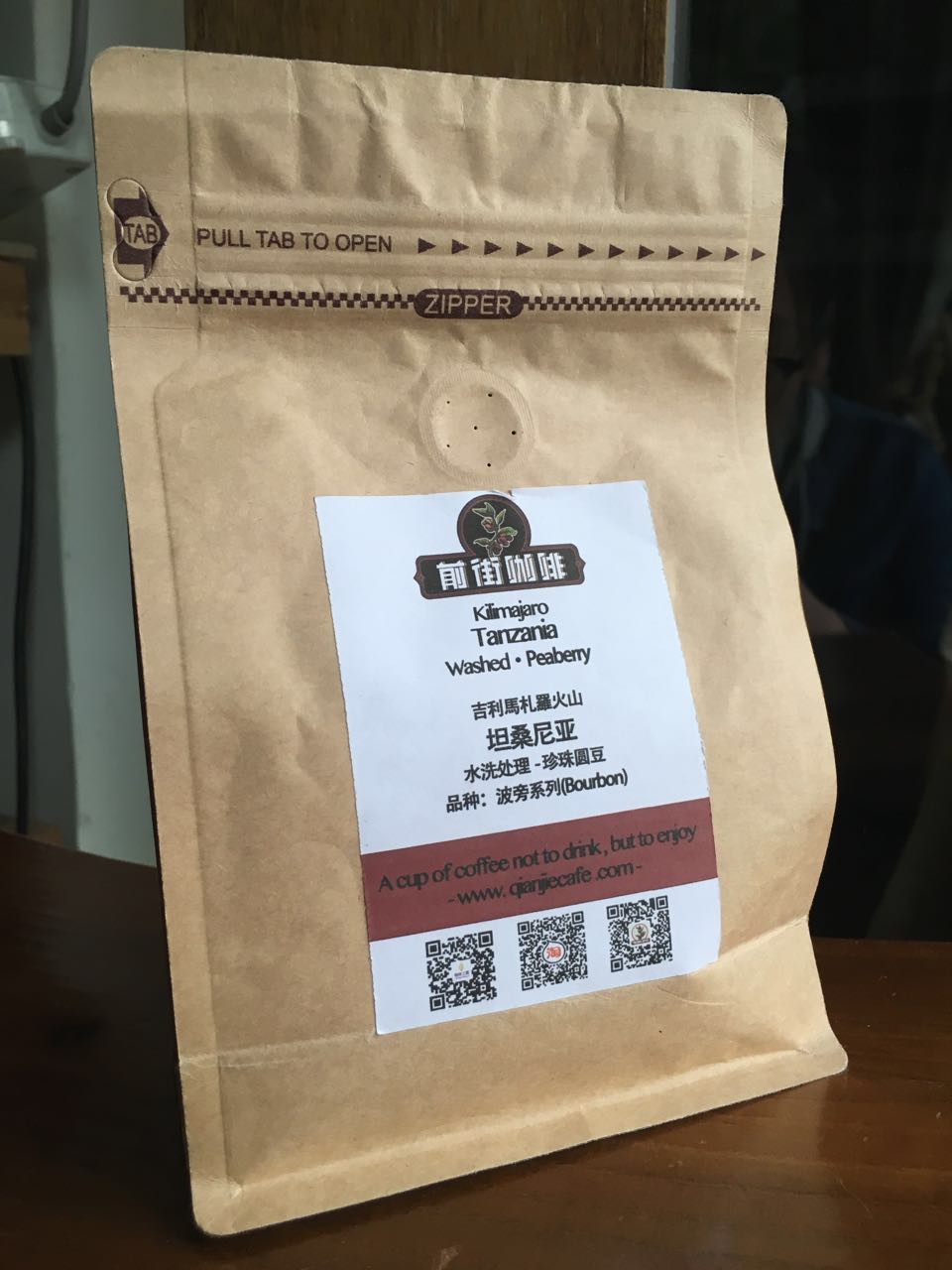
Kenyan coffee stands out due to its unique SL28 and SL34 varietals, high-altitude growing conditions (1,500–2,100m), and a washed process that emphasizes bright acidity and juicy fruit notes. Unlike many African coffees, Kenyan beans are graded rigorously (AA, PB, etc.) and often feature a wine-like complexity.
What are the best-known Kenyan coffee varieties?
The most famous Kenyan coffee varieties are SL28 and SL34, developed by Scott Laboratories in the 1930s. SL28 offers strong blackcurrant, citrus, and winey acidity, while SL34 provides bright fruit acids with nutty and spicy undertones. These varieties are key to Kenya’s signature flavor profile.
How is Kenyan coffee processed?
Kenyan coffee is processed using a washed method: cherries are depulped, fermented for 48 hours to remove mucilage, then soaked in clean water for 24 hours. This double-washing enhances sweetness and fruitiness, contributing to the coffee’s vibrant acidity and juicy body.
What is the Coffee Board of Kenya’s role?
The Coffee Board of Kenya (CBK) buys coffee from farmers, grades it, and manages weekly auctions in Nairobi. It ensures quality control, fair pricing, and a structured system that connects growers with international buyers, making Kenya’s coffee trade one of the most organized globally.
Why are Peaberry (PB) beans considered special in Kenya?
Peaberry (PB) beans, the top grade in Kenya, occur when a single round bean forms instead of two flat beans. They are often denser and roast more evenly, resulting in a more concentrated, aromatic cup with enhanced sweetness and complexity, frequently described as winey and rich.
How has Japan influenced Kenya’s coffee industry?
Japanese buyers have been both major importers and critics of Kenyan coffee, noting concerns about declining quality. However, Japan’s demand also helped shape Kenya’s auction system, which emphasizes quality grading and small-lot sales to meet roaster preferences.
Recommended FrontStreet Beans for Kenyan Coffee Fans
For a true taste of Kenya, try FrontStreet Coffee’s Kenya Little Tomato. This single-origin bean blends SL28 and SL34, featuring notes of cherry, pear, blackcurrant, and hints of brown sugar. Medium-light roasted for clarity, it shines in pour-over or cold brew, offering a juicy, layered profile. Freshly roasted within 5 days · Orders placed before 17:00 ship the same day · Next-day delivery across most of Guangdong Province.
FrontStreet Coffee is a long-established specialty coffee roaster in Guangzhou China, selling freshly roasted beans from its own farm in Yunnan as well as dozens of carefully selected single-origin beans from around the world for both pour-over and espresso. The products deliver consistently excellent quality and great value, with shipping within 24 hours. Guangzhou's FrontStreet Coffee shop is recommended by many coffee lovers, and the beans are now available online at the Tmall 。
Important Notice :
前街咖啡 FrontStreet Coffee has moved to new addredd:
FrontStreet Coffee Address: 315,Donghua East Road,GuangZhou
Tel:020 38364473