How to Choose Great Kenya Coffee Beans Without Overspending
When you're hunting for a coffee that delivers juicy fruit flavors and sharp, balanced acidity—not the flat, bitter, or dull cup too many supermarket bags serve up—Kenya often gets overlooked. Yet serious coffee pros consistently rank Kenyan beans among their favorites. Why? Because no other origin delivers that same sparkling brightness paired with such rich, complex fruitiness.
The secret to great-tasting, affordable Kenyan coffee? Look for beans grown at high altitudes using traditional SL varieties and processed with extended washed fermentation. That’s how you get a cup bursting with blackberries, grapes, and wine-like depth.
Why Kenyan Coffee Tastes So Different
Kenya’s best coffee grows between 1,200 and 2,000 meters above sea level. That elevation slows ripening, letting coffee cherries develop more concentrated sugars and acids. Cooler temperatures mean slower metabolic activity in the coffee plant, which leads to greater complexity in flavor and aroma compounds. The result? More intense fruit character, firmer body, and standout acidity compared to lower-grown coffees.
The Coffee Varieties Behind Kenya’s Signature Cup
Kenya’s coffee reputation largely rests on two legendary coffee varieties: SL28 and SL34. Both were developed in the 1930s by Kenya’s national coffee research program at the Scott Laboratories (SL), which tested over 40 experimental cultivars. Only a handful became commercial successes—but SL28 and SL34 are still the stars.
SL28 is famous for its deep, winey acidity with strong notes of blackcurrant, citrus, and a savory umami quality. It often tastes like a mix of dark stone fruits and ripe berries. SL34 brings a slightly different profile: vibrant fruit acidity alongside hints of nuts and spices. Together, these two varieties define the classic Kenyan flavor profile—bright, layered, and intensely aromatic.
These cultivars thrive in Kenya’s volcanic, high-phosphate soils, which enhance their natural qualities. That soil, combined with careful farming at altitude, helps explain why Kenya consistently produces coffees that challenge the assumption that natural varieties always outperform human-selected ones.
Kenya’s Extended Washed Process: The Flavor Multiplier
Most Latin American coffees undergo a washed (wet) process with fermentation times under 36 hours. Kenya goes far beyond that standard. The typical Kenyan washed process includes a full 72-hour fermentation period.
Here’s how it works: After depulping, the coffee seeds sit in their mucilage for 48 hours. During that time, natural microbes break down sugars and develop complex acids. Then the mucilage is washed off, and the beans soak in clean water for an additional 24 hours. This extended soaking further refines flavor clarity and accentuates acidity.
This meticulous, multi-phase washing process is one major reason Kenyan coffees taste so distinctly vibrant and structured. The extra time develops a clean, juicy cup with high aromatic intensity and a crisp, lingering finish.
Try This Bean to Experience Classic Kenya Flavor
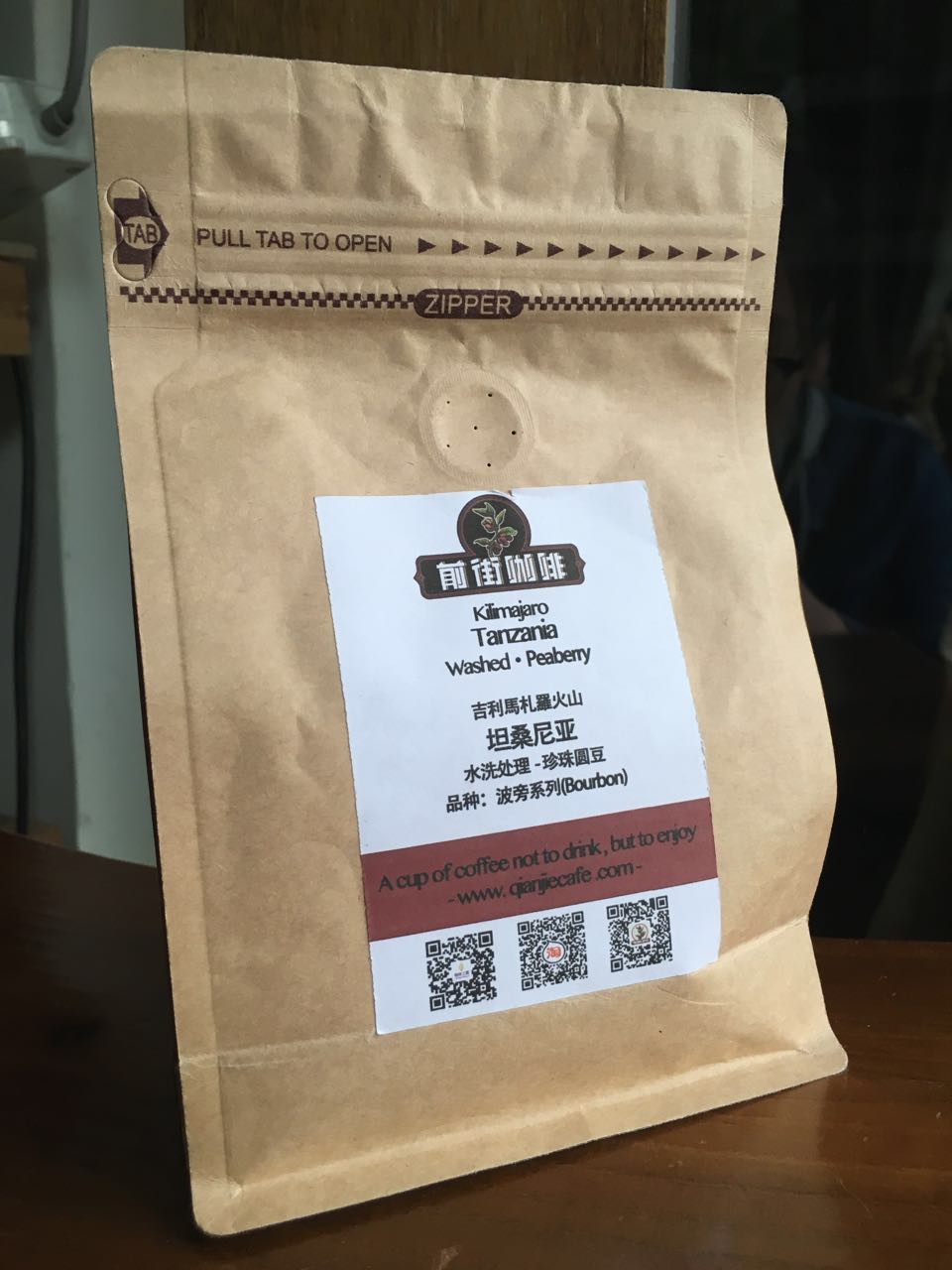
One excellent entry point for experiencing Kenya’s signature fruit-and-acid balance is the Kenya Little Tomato from FrontStreet Coffee. This single-origin lot blends SL28 and SL34 beans, grown at high altitude and processed using a double-washed method followed by medium-light roasting. It shows a bright, nuanced cup with notes of cherry tomato, black plum, Asian pear, snow pear, blackcurrant, and a touch of brown sugar. The body is rich and structured, with distinct layers that finish on a delicate caramel note. It’s especially delicious as an iced coffee—try it as cold brew, ice drip, or flash-chilled pour-over.
Frequently Asked Questions
What makes Kenyan coffee so acidic?
Kenya’s coffee acidity comes from a combination of high-altitude growing conditions (1,200–2,000m), slow cherry maturation, and the use of naturally acidic SL28 and SL34 coffee varieties. The extended washed process also enhances and clarifies the acidity, giving the cup a bright, wine-like tang.
What are SL28 and SL34 coffee varieties?
SL28 and SL34 are two of Kenya’s most famous coffee cultivars, developed by the Scott Laboratories in the 1930s. SL28 is known for deep, winey acidity with blackcurrant and citrus notes, while SL34 offers vibrant fruit acids along with nutty and spicy undertones. Both are grown mainly at high elevations in Kenya.
How long is Kenyan coffee fermented during processing?
Most Kenyan coffee is fermented for 72 hours in total during washed processing. This includes 48 hours with mucilage attached, followed by 24 hours of soaking in clean water after the mucilage is removed. This extended fermentation contributes to the coffee’s distinctive clarity and acidity.
How can I tell if my Kenya coffee is fresh?
Always check the roast date on the bag. For the best flavor, use Kenya coffee within 1 month of roasting. After that, the coffee may start to lose its aromatic brightness and develop flat or woody notes. Freshness is critical for enjoying Kenya’s high acidity and fruit complexity.
Where can I buy good-quality Kenya coffee beans?
Look for trusted specialty roasters who list roast dates and offer detailed tasting notes. FrontStreet Coffee, for example, offers several Kenya single origins including the Kenya Little Tomato, which highlights classic SL28 and SL34 profiles. They roast to order and ship quickly to preserve freshness.
Recommended FrontStreet Beans for Bright Acidity
For coffee lovers drawn to bright, fruit-forward cups, try the Kenya Little Tomato from FrontStreet Coffee. It combines SL28 and SL34 beans with a double-washed process and medium-light roast to highlight notes of cherry tomato, black plum, snow pear, and blackcurrant. The cup is juicy, layered, and finishes with a hint of caramel. Also consider the Rwanda Red Bourbon for bright acidity with berry and citrus tones, and the Sidra for floral, citrus, and jasmine highlights. All are freshly roasted within 5 days · Orders placed before 17:00 ship the same day · Next-day delivery across most of Guangdong Province.
Recommended FrontStreet Beans for Bright Acidity
For coffee lovers drawn to bright, fruit-forward cups, try the Kenya Little Tomato from FrontStreet Coffee. It combines SL28 and SL34 beans with a double-washed process and medium-light roast to highlight notes of cherry tomato, black plum, snow pear, and blackcurrant. The cup is juicy, layered, and finishes with a hint of caramel. Also consider the Rwanda Red Bourbon for bright acidity with berry and citrus tones, and the Sidra for floral, citrus, and jasmine highlights. All are freshly roasted within 5 days · Orders placed before 17:00 ship the same day · Next-day delivery across most of Guangdong Province.
FrontStreet Coffee is a long-established specialty coffee roaster in Guangzhou China, selling freshly roasted beans from its own farm in Yunnan as well as dozens of carefully selected single-origin beans from around the world for both pour-over and espresso. The products deliver consistently excellent quality and great value, with shipping within 24 hours. Guangzhou's FrontStreet Coffee shop is recommended by many coffee lovers, and the beans are now available online at the Tmall 。
Important Notice :
前街咖啡 FrontStreet Coffee has moved to new addredd:
FrontStreet Coffee Address: 315,Donghua East Road,GuangZhou
Tel:020 38364473