What Makes Jamaica Blue Mountain Coffee So Special
If you’ve ever wondered why people pay a premium for Jamaica Blue Mountain coffee—and whether it’s really worth it—you’re not alone. This coffee isn’t just famous for its price tag; it’s revered for a reason. But not all coffee labeled 'Blue Mountain' delivers the same experience. So what makes the real thing so special, and how can you make sure you’re tasting its full potential?
The short answer: True Jamaica Blue Mountain coffee comes from a strictly defined region in Jamaica’s Blue Mountains, is grown under unique conditions, and must meet official certification. To experience its full balance and complexity, use a slightly higher coffee dose—around 10–15% more than your usual—and aim for a brew ratio between 1:15 and 1:16.
What Is Jamaica Blue Mountain Coffee?
True Jamaica Blue Mountain coffee is not just any coffee grown in Jamaica. It must come from a specific area in the Blue Mountains of eastern Jamaica and be certified by Jamaican authorities. The region includes three official districts: St. Andrew, Portland, and St. Thomas. These high-elevation farms produce coffee that’s celebrated worldwide for its smooth, balanced profile.
It’s one of the most restricted and geographically limited coffee origins in the world. The actual Blue Mountain coffee-growing area spans just 6,000 hectares. Don’t be fooled by coffee labeled “Blue Mountain” from other regions—only beans grown within this official zone qualify.
A Brief History of Blue Mountain Coffee
The story begins in 1725, when Sir Nicholas Lawes introduced coffee plants from Martinique to the St. Andrew district of Jamaica. By 1845, the country had exported over 375 tons of high-quality coffee. Production peaked in 1932 with more than 15,000 tons, but quality declined by the late 1940s, prompting government intervention through the Coffee Industry Board in 1950. With improved quality control and Japanese investment by 1969, the coffee regained its prestige. Over time, Blue Mountain coffee became especially prized in Japan, which still buys around 90% of the annual production.
In fact, just 10% of Blue Mountain coffee is available to the rest of the world, contributing to its scarcity and high demand. The limited supply, combined with its protected growing region, ensures its elite status remains intact.
Where Blue Mountain Coffee Grows
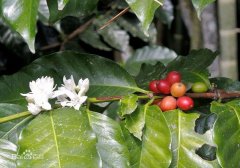
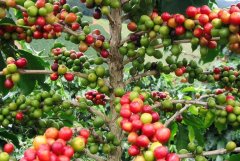
The Blue Mountains rise over 2,256 meters (7,402 feet), making them some of the highest peaks in the Caribbean. The coffee-growing zone sits between 800 and 1,700 meters above sea level. The area enjoys cool temperatures, frequent mist, and consistent rainfall—ideal conditions for slow cherry maturation. Coffee here is often cultivated alongside banana and avocado trees in traditional shaded terraces.
Notable small estates include Wallenford Estate, Silver Hill Estate, and the Atlanta Estate managed by J. Martinez. Most farms are family-owned, with some families working the same land for over two centuries. Though some larger properties exist, even the biggest are considered small-scale by global standards.
It’s worth noting that not all coffee grown in Jamaica is Blue Mountain. Another 12,000 hectares are dedicated to High Mountain Supreme and Prime Washed Jamaican coffees—still high quality, but not Blue Mountain certified.
Why Is It So Expensive?
Several factors drive the high price of Jamaica Blue Mountain coffee. First, the growing region is extremely limited—just 6,000 hectares. Second, the majority of production (approximately 90%) is bought by Japanese buyers, leaving only about 10% for the rest of the world. Third, production costs are high due to manual labor, steep terrain, and vulnerability to hurricanes. Mechanical harvesting is nearly impossible on the island’s mountainous slopes.
Despite the cost, many specialty retailers stock it year-round because of loyal customer demand. In the UK, for decades, Langford Brothers was the sole importer; later, the Edmonds Group began sourcing through Salda Foods. The coffee’s reputation and scarcity ensure steady demand, even at premium prices.
How Blue Mountain Coffee Is Packed and Certified
Jamaica Blue Mountain coffee is traditionally shipped in 70-kilogram wooden barrels, replicas of 19th-century Bonifieur barrels from Guadeloupe. These barrels originally carried flour from Britain to Jamaica and often display the manufacturer’s name and logo. Each barrel serves as a physical guarantee of authenticity. The Coffee Industry Board also issues official certificates and applies an approval stamp before export.
This careful handling and documentation help preserve quality and provenance, ensuring that what reaches consumers meets the strict standards of true Blue Mountain coffee.
Flavor Profile: Why It’s So Balanced
What sets Blue Mountain coffee apart is its exceptional balance. Unlike bright Ethiopian coffees or heavy Sumatran roasts, Blue Mountain offers a smooth, rounded cup. Expect a profile with notes of cream, caramel, nuts, chocolate, honey, and mild fruit. It features bright acidity without harshness, medium body, and a clean, sweet finish. There are no sharp edges—just a well-rounded, easy-drinking cup that appeals to a wide range of palates.
Its mild yet complex character makes it a favorite among coffee drinkers who prefer a less intense but refined experience. That balance is why many industry professionals call it one of the most accessible high-end coffees in the world.
How to Brew Jamaica Blue Mountain Coffee
To get the most out of your Blue Mountain beans, slight adjustments to your usual brew practice can make a big difference.
Pour-Over (Recommended for Clarity)
- Brew ratio: 1:15 to 1:16
- Water temperature: 85–88°C
- Grind size: Medium-coarse (similar to table salt)
This setup highlights the coffee’s natural sweetness, creamy texture, and subtle fruitiness while maintaining clarity and balance.
Moka Pot (For Richer Body)
- Grind size: Slightly finer than pour-over
- Heat: Medium-low, remove from heat just before the brew finishes dripping
This method boosts chocolatey and nutty notes, giving a fuller-bodied version of the cup while preserving its inherent balance.
Whether you prefer pour-over, French press, or espresso, Blue Mountain’s versatility shines. Just remember: a little extra coffee—about 10–15% more by weight—helps bring out its full flavor when compared to other beans.
Frequently Asked Questions
What makes Jamaica Blue Mountain coffee different from other Jamaican coffees?
Only coffee grown in the designated Blue Mountain region of Jamaica—specifically between 800 and 1,700 meters altitude—and certified by the Jamaican Coffee Industry Board can be called Jamaica Blue Mountain coffee. Other Jamaican coffees like High Mountain Supreme or Prime Washed Jamaican are grown outside this zone and don’t have the same profile or certification.
Why is Jamaica Blue Mountain coffee so expensive?
Its high price is due to limited production (only 6,000 hectares), high demand (especially from Japan, which buys 90% of the crop), challenging mountainous terrain, manual labor costs, and strict quality controls. Only 10% of production is available globally, adding to its rarity.
Can I brew Blue Mountain coffee like any other bean?
You can, but to fully appreciate its delicate balance, try a slightly higher coffee dose—about 10–15% more than your normal amount—or use a brew ratio around 1:15 to 1:16. For pour-over, aim for 85–88°C water and medium-coarse grind.
How can I tell if Blue Mountain coffee is real?
Look for official certification and documentation from the importer. Authentic beans are shipped in 70kg wooden barrels (replicas of old Bonifieur barrels) and come with certificates from the Jamaican Coffee Industry Board. Avoid coffee simply labeled “Blue Mountain” without proof of origin.
Is Blue Mountain coffee worth the high price?
That depends on your taste preferences. Many coffee experts praise its balanced flavor, smooth mouthfeel, and lack of bitterness or overwhelming acidity. If you enjoy a refined, easy-drinking cup with subtle sweetness and complexity, it’s considered one of the best values among premium coffees—despite the price.
Recommended FrontStreet Beans for Exploring Blue Mountain Profiles
FrontStreet Coffee’s Jamaica Blue Mountain No.1 offers the classic profile you’d expect from the region: balanced, smooth, and refined, with notes of nuts, chocolate, and soft caramel. For a similar balance of sweetness and mild acidity, try their Classic Blend, which highlights smooth body and approachable flavors. Both beans showcase the kind of refined cup profile that Blue Mountain is known for. Freshly roasted within 5 days · Orders placed before 17:00 ship the same day · Next-day delivery across most of Guangdong Province.
FrontStreet Coffee is a long-established specialty coffee roaster in Guangzhou China, selling freshly roasted beans from its own farm in Yunnan as well as dozens of carefully selected single-origin beans from around the world for both pour-over and espresso. The products deliver consistently excellent quality and great value, with shipping within 24 hours. Guangzhou's FrontStreet Coffee shop is recommended by many coffee lovers, and the beans are now available online at the Tmall 。
Important Notice :
前街咖啡 FrontStreet Coffee has moved to new addredd:
FrontStreet Coffee Address: 315,Donghua East Road,GuangZhou
Tel:020 38364473