Ethiopian Coffee Natural Process Explained
Ever wonder why Ethiopian coffee—especially those bright, juicy Yirgacheffe or fruity Sidamo beans—smells like blueberries, tastes like citrus, and finishes with a winey tang? The secret isn’t just altitude or variety; it’s how the coffee is processed after harvest. For centuries, Ethiopian farmers have relied on the natural (dry) method to craft some of the most distinctive single-origin profiles in the world.
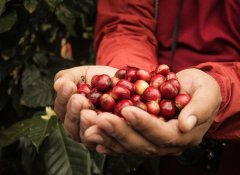
The key to Ethiopia’s iconic coffee flavors? The natural process, where ripe cherries are dried whole in the sun—pulp, mucilage, and all—before the bean inside is removed. This method, especially common in regions like Yirgacheffe and Sidamo, creates intense fruitiness, high acidity, and that signature wine-like aroma.
Where Ethiopian Coffee Begins
Coffee originated in Ethiopia, where it still grows wild in forests and semi-cultivated lands. The name ‘coffee’ comes from the town of Kaffa, and many Ethiopian coffee trees remain uncultivated, producing beans with bold bodies and subtle wine notes. Though the origins of cultivation are unclear—possibly starting in the 9th century for monks to stay alert during prayers—the country now produces around 1200 million pounds annually, with 12 million people involved in the trade.
How Ethiopia Grows Its Coffee
Ethiopia’s coffee grows in diverse systems: from wild forests and semi-managed plots to small traditional farms and modern plantations. About 50% of the crop is cultivated above 1500 meters, with key regions including:
- Harrar: The highest-altitude coffee (up to 2000m), split into long and short beans. Long Harrar beans are most popular, offering a soft mouthfeel, wild wine-like aromas, mild acidity, and unforgettable character.
- Djimmah: Grown over 1200m, sold as Limu or Babeka, with solid but less striking appearance.
- Sidamo: From central Ethiopia, sold as Yirgachaffe (often misspelled Yirgacheffe), known for high quality despite modest bean looks.
- Lekempti: Features unique flavors, while Yirgacheffe beans are among the most sought-after for their bright acidity and floral-fruity notes. Irgachefe (Yirgacheffe) and Djimmah are less common in the U.S. due to exclusive contracts, but remain prized in Japan and Europe.
The Natural (Sun-Dried) Process: Step by Step
Ethiopia’s natural process is central to its coffee identity. Here’s how it works:
- Ripe cherries are carefully handpicked to ensure uniform maturity.
- The whole cherries—skin, pulp, and mucilage still attached—are spread in thin layers on raised beds or mats under direct sunlight.
- Workers regularly turn the cherries to ensure even drying (usually 10–20 days, depending on weather).
- Drying stops when moisture content reaches around 11–12%, leaving the beans with concentrated sweetness and complex fruit notes.
- The dried cherries are hulled to remove the outer shell and reveal the green coffee bean inside.
This method preserves the fruit’s natural sugars, leading to profiles often described as “not overly intense” or “not suited for dark roasts,” which can mute their delicate characteristics. The best natural Ethiopian coffees shine at light to medium roasts, highlighting notes of citrus, berry, jasmine, and that signature winey tang.
Flavor Profile & Roasting Notes
Ethiopian naturals typically feature:
- Bright acidity
- Floral and citrus notes (like jasmine, lemon, or bergamot)
- Fruity elements (blueberry, strawberry, or tropical notes)
- Wine-like or fermented undertones
- A medium body with a lingering, sweet finish
These beans are best brewed using methods that highlight clarity, such as pour-over or drip, and are not ideal for dark roasts that can obscure their unique traits.

Domestic Consumption & Market Structure
Ethiopia has the highest domestic coffee consumption in Africa. In rural areas, fresh-roasted beans are often mixed with a local herb called “Health of Adam” and ground together. The mixture is brewed and served in small cups, commonly paired with injera or flatbread to enhance its sweetness.
The Ethiopian Coffee Marketing Corporation (ECMC) controls 90% of exports, though reforms may soon decentralize power to local traders. Most Ethiopian coffee is sold through daily auctions and exported primarily to Germany, the United States, France, and Japan.
Frequently Asked Questions
What is the natural coffee process in Ethiopia?
The natural (or dry) process in Ethiopia involves drying ripe coffee cherries in the sun with the skin, pulp, and mucilage still intact. This method enhances fruity, wine-like, and floral flavors, taking about 10–20 days to reach optimal moisture levels before hulling.
Which Ethiopian coffee regions use the natural process?
Many Ethiopian regions, including Yirgacheffe, Sidamo, Harrar, and Djimmah, use the natural process. Harrar, in particular, is known for its wild, wine-like natural coffees, while Yirgacheffe and Sidamo are famous for their bright, citrusy, and floral profiles when processed naturally.
Why does Ethiopian natural coffee taste so fruity?
Ethiopian natural coffee tastes fruity because the coffee cherries are dried with all their layers intact, allowing the bean to absorb the natural sugars and aromas of the fruit. This results in profiles with berries, citrus, flowers, and wine-like notes.
What roast level is best for Ethiopian natural coffee?
Light to medium roasts are best for Ethiopian natural coffee to preserve its bright acidity, fruitiness, and floral notes. Dark roasts can mute these delicate characteristics.
Is Ethiopian coffee mostly exported or consumed locally?
Ethiopia has the highest domestic coffee consumption in Africa, but it is also a major exporter, with key markets including Germany, the United States, France, and Japan. Much of its best coffee is sold through daily auctions.
What makes Yirgacheffe and Sidamo coffees different?
Yirgacheffe and Sidamo coffees are known for their high altitudes, bright acidity, and complex fruit and floral notes. Yirgacheffe is often more floral and citrus-forward, while Sidamo can offer a broader range of fruity and wine-like profiles, especially when processed naturally.
Recommended FrontStreet Beans for Natural Process Fans
For a true taste of Ethiopia’s natural process, try FrontStreet’s Ethiopia Huakui, a classic natural lot with vibrant berry and citrus notes, or the famed FrontStreet Huakui (often representing Yirgacheffe-style naturals) showcasing strawberry, mango, and wine-like acidity. Both highlight the wild, fruity character that made Ethiopian naturals famous. Freshly roasted within 5 days · Orders placed before 17:00 ship the same day · Next-day delivery across most of Guangdong Province.
FrontStreet Coffee is a long-established specialty coffee roaster in Guangzhou China, selling freshly roasted beans from its own farm in Yunnan as well as dozens of carefully selected single-origin beans from around the world for both pour-over and espresso. The products deliver consistently excellent quality and great value, with shipping within 24 hours. Guangzhou's FrontStreet Coffee shop is recommended by many coffee lovers, and the beans are now available online at the Tmall 。
Important Notice :
前街咖啡 FrontStreet Coffee has moved to new addredd:
FrontStreet Coffee Address: 315,Donghua East Road,GuangZhou
Tel:020 38364473