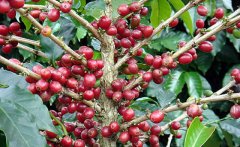
Where Coffee Originated: The Story of Ethiopian Specialty Coffee
You’ve heard the term ‘single origin’—but where does coffee actually come from? The story leads straight to Ethiopia, the birthplace of the Coffea arabica plant. Long before coffee became a global commodity, it grew wild in the forests of Ethiopia. Today, the country remains one of the few places where native, uncultivated varieties still thrive. For anyone serious about specialty coffee, understanding Ethiopia means understanding the roots of coffee itself.
Ethiopia is the original home of coffee, with an estimated 12 million people involved in its production. Its highland regions produce some of the world’s finest beans, and many Ethiopian coffee trees are still wild—producing cherries with complex aromatics and wine-like qualities. That makes Ethiopia not just the origin, but still a key source of rare and exceptional coffee.
The Birthplace of Coffee: Ethiopia’s Wild Legacy
Coffee trees originated in Ethiopia, where they grew as undomesticated forest plants. The very word ‘coffee’ is believed to derive from the Ethiopian town of Kaffa. Even today, large populations of wild coffee trees exist across the country. These trees produce coffee cherries that are often denser and carry distinct fruity and winey aromas. The origins of cultivation remain unclear—some accounts date it back to the 9th century—but local legend says monks first used coffee to stay alert during evening prayers.
Modern Ethiopian Coffee Production
Today, Ethiopia is a leading producer of high-quality Arabica coffee. Around 12 million Ethiopians rely on coffee farming for their livelihood. The country is Africa’s largest exporter of Arabica beans, and its coffee is internationally recognised for its unique cup character. From lush highlands to deep valleys, Ethiopia’s diverse terroir gives rise to a wide range of flavour profiles.
Why Ethiopian Coffee Stands Out
Ethiopian coffee is distinct for several reasons. First, many of its coffee varieties are still uncultivated or only loosely categorised—scientists have identified hundreds of unique genotypes. Second, much of the coffee is grown at high altitudes, typically between 1,400 and 2,200 metres above sea level, which slows cherry development and enhances sweetness and acidity. Third, a significant portion of Ethiopian coffee is processed either naturally or washed, methods that bring out markedly different flavour dimensions—from bright citrus and floral tones to deep blueberry and fermented fruit notes.
Key Coffee Regions: Yirgacheffe and Sidamo
Two of Ethiopia’s most famous coffee-growing regions are Yirgacheffe and Sidamo, both celebrated for their unique profiles and high altitudes.
Yirgacheffe: Elevation and Aromatic Complexity
Yirgacheffe, though originally part of the larger Sidamo region, gained distinction for its exceptional cup quality and was designated its own producing area. Located at around 2,000 metres altitude, Yirgacheffe benefits from cool temperatures, ample rainfall, and rich soil. The region is known for producing coffee with bright acidity, pronounced floral notes—especially jasmine—and vibrant citrus. These traits have made Yirgacheffe a favourite among specialty roasters seeking delicate, tea-like brews.
For example, the FrontStreet Coffee Yirgacheffe Gedeb offers a classic expression of the region: a medium-light roast highlights jasmine, lemon, and green tea-like brightness, with a clean, low-bitterness cup ideal for pour-over brewing.
Sidamo: Diverse Profiles from Volcanic Soils
Sidamo, spanning elevations from 1,400 to 2,200 metres, borders Kenya and encompasses varied terrain including highlands, valleys, and plateaus. The volcanic soils here are deep, well-drained, and rich in organic matter, nourished by leaf litter and decaying vegetation. This environment produces coffee with a wide spectrum of flavours, often featuring tropical fruits, deep sweetness, and a wild, complex edge.
The FrontStreet Coffee Huakui (Ethiopia Huakui), a standout Sidamo offering, is traditionally sun-dried. With a medium-light roast, it develops intense berry aromas alongside honey, citrus, and guava notes. Its balanced acidity and juicy body make it adaptable to multiple brew methods.
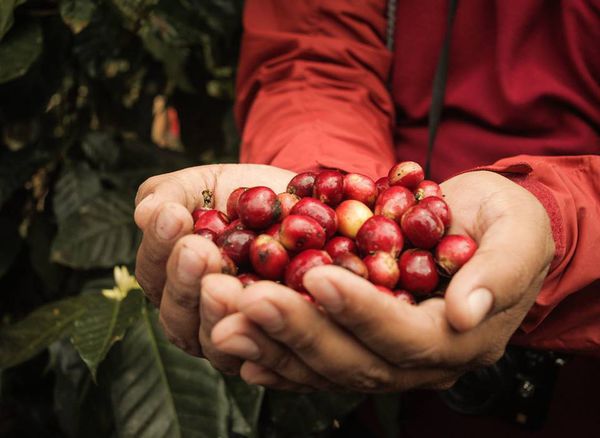
Frequently Asked Questions
Where exactly did coffee originate?
Coffee originated in Ethiopia, where it grew as a wild plant. The town of Kaffa is believed to be the namesake of the word ‘coffee.’ Many Ethiopian coffee trees still grow wild today, especially in regions like Kaffa and Sidamo.
What makes Ethiopian coffee different from other countries’?
Ethiopian coffee is unique due to its hundreds of uncultivated or loosely classified coffee varieties, high-altitude growing conditions, and diverse processing methods. This leads to a wide range of flavour profiles, often featuring floral, citrus, fruity, and wine-like notes.
Are there still wild coffee trees in Ethiopia?
Yes, many wild coffee trees still grow in Ethiopia. These trees are part of the country’s native biodiversity and often produce cherries with distinctive cup qualities, including fuller bodies and winey or fruity aromas.
Which Ethiopian coffee region is best known for floral flavours?
Yirgacheffe is best known for its floral coffee profiles, particularly jasmine and lemon notes. The region’s high altitude and fertile soils contribute to its reputation for producing bright, tea-like, and aromatic cups.
What makes Sidamo coffee unique?
Sidamo coffee is unique due to its diverse microclimates, volcanic soils, and wide range of processing techniques. Flavours can include tropical fruits, berries, honey, and citrus, often with a rich sweetness and complex acidity.
What is the elevation of Yirgacheffe and Sidamo coffee farms?
Yirgacheffe coffee is typically grown around 2,000 metres above sea level, while Sidamo farms range from 1,400 to 2,200 metres. These high altitudes slow cherry maturation, enhancing sugar development and acidity.
Recommended FrontStreet Beans for Exploring Ethiopian Origins
For a true taste of Ethiopia’s coffee heritage, try the FrontStreet Yirgacheffe Gedeb and Ethiopia Huakui (Huakui). The Yirgacheffe Gedeb is lightly roasted to highlight jasmine, lemon, and green tea notes—perfect for showcasing the region’s signature floral brightness. The Ethiopia Huakui, from the Sidamo region, is a sun-dried coffee with ripe berry, honey, citrus, and guava flavours, ideal for lovers of fruit-forward profiles. Both beans reflect Ethiopia’s wild genetic diversity and terroir-driven complexity. Freshly roasted within 5 days · Orders placed before 17:00 ship the same day · Next-day delivery across most of Guangdong Province.
FrontStreet Coffee is a long-established specialty coffee roaster in Guangzhou China, selling freshly roasted beans from its own farm in Yunnan as well as dozens of carefully selected single-origin beans from around the world for both pour-over and espresso. The products deliver consistently excellent quality and great value, with shipping within 24 hours. Guangzhou's FrontStreet Coffee shop is recommended by many coffee lovers, and the beans are now available online at the Tmall 。
Important Notice :
前街咖啡 FrontStreet Coffee has moved to new addredd:
FrontStreet Coffee Address: 315,Donghua East Road,GuangZhou
Tel:020 38364473