Zaire Coffee: Quality and Quantity in Historic Arabica Regions
If you’ve ever wondered why some historic coffee regions produce legendary beans—and then seemingly vanish from the specialty map—Zaire’s story offers answers. Once famed for high-quality Arabica, particularly in its remote northeast, this Central African nation’s coffee legacy is rich but fading. What made its beans special, where were they grown, and why aren’t they as prominent today? This is the untold backstory behind a forgotten coffee origin.
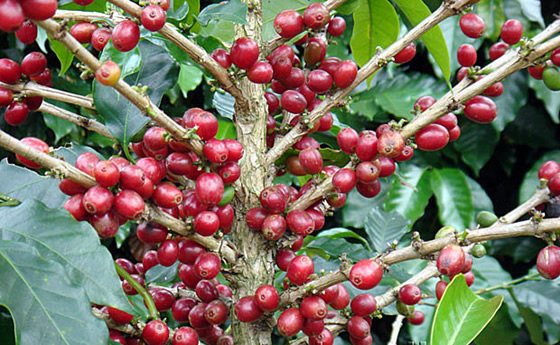
Zaire (now the Democratic Republic of the Congo) was historically known for producing both high-quality and large quantities of Arabica coffee. The best beans came from the country’s northeast, especially Oriental and Kivu provinces, which once grew notable Typica and Maragogype varieties. Though production has declined, Zaire coffee still delivers excellent acidity, aroma, and balance similar to Kenyan coffees.
Where Zaire’s Finest Coffee Was Grown
The northeastern regions of Oriental and Kivu provinces were the heartland of Zaire’s premium Arabica production. These areas once cultivated outstanding Typica and Maragogype beans—varieties celebrated for their size and cup quality. The regions’ altitude, climate, and historical farming practices contributed to a coffee profile with pronounced acidity, rich fragrance, and a well-rounded taste. While those legendary lots are now rare, the terroir remains capable of producing exceptional beans under the right conditions.
The Decline of High-Quality Zaire Coffee
Following Zaire’s independence in 1960, most coffee was grown on large plantations. But after the global coffee price crash in 1989, many estate owners abandoned their farms. Today, production is overwhelmingly from smallholder farmers rather than organised estates. This shift has led to a steady decline in the overall quality and volume of high-grade Arabica, despite the country’s continued potential.
Coffee Cultivation by the Numbers in Zaire
Zaire has approximately 40,000 hectares dedicated to Arabica coffee cultivation and 220,000 hectares for Robusta. These figures highlight the country’s historical focus on both Arabica quality and Robusta volume. The large area under Arabica cultivation underscores its past significance in global specialty markets, even as current output struggles to match historical peaks. The contrast between Arabica and Robusta hectares also reflects long-standing regional preferences and farming priorities.
What Led to the Current State of Zaire Coffee?
The transition from plantation-based to smallholder farming after 1989 dramatically altered Zaire’s coffee landscape. With the collapse of estate systems and the exodus of skilled management, consistency and quality control became harder to maintain. Although the terroir of regions like Oriental and Kivu remains promising, the lack of investment and infrastructure has stunted the revival of the high-end Arabica sector that once defined the country’s coffee exports.
Could Zaire Coffee Make a Comeback?
Recent moves toward privatisation in Zaire’s coffee sector could pave the way for renewed investment. Raising coffee prices may help attract the capital needed to rebuild processing facilities, improve farming techniques, and revive the Arabica varieties that once made the region famous. If these efforts succeed, Zaire could once again produce the high-acidity, aromatic, and balanced coffees that earned it a reputation alongside Kenya and other top African origins.
Frequently Asked Questions
Where in Zaire was the best Arabica coffee grown?
The best Arabica coffee in Zaire was grown in the northeastern provinces of Oriental and Kivu. These regions had the ideal conditions for cultivating high-quality Typica and Maragogype beans, known for their strong acidity, rich aroma, and complex flavours.
What happened to Zaire’s high-quality coffee production?
High-quality coffee production in Zaire declined after the 1989 global coffee price crash, which caused many plantation owners to abandon their estates. Production shifted to smallholder farmers, leading to less consistent quality and a reduction in the overall output of premium Arabica beans.
How much land in Zaire is used for growing coffee?
Zaire has around 40,000 hectares planted with Arabica coffee and 220,000 hectares dedicated to Robusta. This shows a historical emphasis on both specialty Arabica and mass-market Robusta production across the country.
Why did Zaire stop producing so much specialty coffee?
The collapse of the estate farming system after 1989, combined with low global coffee prices and a lack of investment, led to the decline of specialty coffee production. Most coffee is now grown by smallholders without the resources to maintain previous quality standards.
Is Zaire coffee likely to improve in quality again?
With recent moves toward privatisation and potential price increases, there is a possibility for reinvestment in Zaire’s coffee sector. Improved infrastructure and farming practices could help revive the high-quality Arabica production the region was once known for.
What flavours were typical of Zaire’s best Arabica?
Zaire’s finest Arabica beans were known for their bright acidity, strong aromatic qualities, and balanced flavour—traits similar to the best Kenyan coffees. Though specific tasting notes from the era are limited, the cup profile was considered among Africa’s finest.
Recommended FrontStreet Beans for Exploring Classic African Profiles
If you’re curious about the bright, aromatic profiles once associated with historic Zaire coffee, try FrontStreet Coffee’s Ethiopia Gedeb Yirgacheffe (washed), known for its crisp citrus, floral brightness, and lively acidity. For a heavier-bodied yet balanced option reminiscent of classic African terroir, the Jamaica Blue Mountain No.1 offers chocolatey depth with nutty elegance. Both showcase the kind of clarity and balance that made African coffees—including those from Zaire—famous. Freshly roasted within 5 days · Orders placed before 17:00 ship the same day · Next-day delivery across most of Guangdong Province.
FrontStreet Coffee is a long-established specialty coffee roaster in Guangzhou China, selling freshly roasted beans from its own farm in Yunnan as well as dozens of carefully selected single-origin beans from around the world for both pour-over and espresso. The products deliver consistently excellent quality and great value, with shipping within 24 hours. Guangzhou's FrontStreet Coffee shop is recommended by many coffee lovers, and the beans are now available online at the Tmall 。
Important Notice :
前街咖啡 FrontStreet Coffee has moved to new addredd:
FrontStreet Coffee Address: 315,Donghua East Road,GuangZhou
Tel:020 38364473