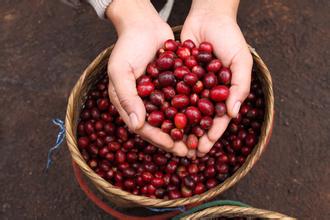
Costa Rica Honey Process Coffee: Finca Montanas del Diamante
If you’re searching for a balanced, fruit-forward coffee with sweet complexity and clean acidity, you've likely come across Costa Rica’s famed honey process. But not all honey coffees are the same—color, sweetness, and acidity vary widely depending on how much fruit is left on the bean during drying. So what makes a great honey-processed coffee, and how does it differ from traditional washed or natural methods? Let’s look at a standout example from one of Costa Rica’s best-regarded farms.
The answer lies in the details: Finca Montanas del Diamante in Tarrazú grows Red Catuai at 1,750–1,850 meters above sea level using a honey process that highlights citrus, stone fruit, and floral notes. The result is a clean, sweet cup with orange, grape, and caramel tones and a lingering coffee blossom finish.
What Is the Honey Process and Why Does It Matter?
Honey processing—known locally as “miel”—is a Costa Rican innovation that bridges washed and natural methods. After depulping, some or all of the sticky mucilage (fruit layer) is left on the beans while they dry. Unlike washed coffee, which removes all mucilage, or natural coffee, which dries the whole cherry, honey processing creates a spectrum of sweetness and body based on how much mucilage remains. In Costa Rica, producers further categorize these as white, yellow, red, and black honey, based on mucilage levels and drying time.
This method was developed partly in response to water scarcity, but it quickly gained popularity for the intense fruitiness and syrupy mouthfeel it can produce—even without fermentation tweaks or extended drying like some experimental naturals.
Where Is Finca Montanas del Diamante and What Makes It Special?
Finca Montanas del Diamante is located in the Dota Valley within Costa Rica’s renowned Tarrazú region. At elevations between 1,750 and 1,850 meters, the farm benefits from cool temperatures, high altitudes, and rich volcanic soils—all ideal for slow cherry maturation. The Gutiérrez family owns 50 hectares here, cultivating primarily Red Catuai, a high-yielding, balanced variety known for its medium body and bright acidity.
Tarrazú itself is one of Costa Rica’s eight coffee-growing regions, famous for producing some of the country’s most classic, “perfect-type” profiles. The area’s high elevation and forest cover create strong diurnal temperature shifts, which enhance sugar development in the beans. Volcanic soils and excellent drainage round out the terroir.
What Flavors Define This Particular Honey Process Coffee?
This particular lot from Finca Montanas del Diamante delivers the kind of clarity and balance Costa Rica is known for. On the cupping table, tasters find vibrant citrus (notably orange), black grape, and melon-like sweetness, alongside softer notes of stone fruit and subtle floral tones. The mouthfeel is smooth, with a caramel-like sweetness and a finish that lingers with distinct coffee blossom aroma.
The overall profile is clean, well-structured, and complex. There’s enough acidity to keep it lively, but it’s framed by a round, gentle sweetness and a toasted bread-like undertone. The finish is particularly memorable for its floral brightness, adding a layer of elegance to the cup.
How Does Honey Processing Shape These Flavors?
The honey process is central to this coffee’s character. By retaining some or all of the mucilage during drying, the beans interact with sugars and enzymes throughout the drying period. The result is a cup that’s sweeter and more complex than a washed coffee, yet cleaner and less fruity than many naturals. The degree of mucilage left on the bean—ranging from minimal (white honey) to nearly full (black honey)—directly influences the final flavor intensity.
In this case, the exact honey type isn’t specified, but the description of citrus, grape, and caramel notes suggests a mid-range honey process (likely red or yellow), balancing sweetness and acidity beautifully. The slow drying at high altitude further concentrates these flavors.
Frequently Asked Questions
What is the honey process in coffee?
The honey process, or miel in Spanish, is a coffee processing method where the coffee cherry is depulped, but some or all of the sticky mucilage is left on the beans during drying. This results in a sweeter, fruitier cup than washed coffee, with complexity and body that vary based on how much mucilage remains. In Costa Rica, it's categorized into white, yellow, red, and black honey based on mucilage levels and drying duration.
Where is Finca Montanas del Diamante located?
Finca Montanas del Diamante is located in the Dota Valley within Costa Rica’s Tarrazú coffee region. The farm sits at elevations between 1,750 and 1,850 meters above sea level.
What coffee variety is used at Finca Montanas del Diamante?
The farm primarily grows Red Catuai, a coffee variety known for its balanced profile, medium body, and bright acidity. It is well-suited to the high-altitude conditions of Tarrazú.
What flavors can I expect from this honey-processed Costa Rican coffee?
This coffee features bright citrus (especially orange), black grape, melon, and stone fruit notes, along with subtle floral tones. The cup is sweet and clean, with caramel-like sweetness, a smooth mouthfeel, and a finish highlighted by coffee blossom aroma.
How is honey process different from washed or natural coffee?
Honey process retains some of the fruit’s mucilage during drying, unlike washed coffee (which removes all mucilage) or natural process (which dries the whole cherry). This leads to greater sweetness and complexity than washed coffee, but with more clarity and less fermentation-driven fruitiness than natural coffee.
Recommended FrontStreet Beans for Honey Process Fans
For fans of Finca Montanas del Diamante’s honey process profile, try FrontStreet Coffee’s (Hei Mei), a black honey-processed Costa Rica with intense ripe berry and sweet complexity from long sun-dried mucilage. Also consider (Mozart), which uses grape-like raisin honey process for bold grape, rose, and fermented notes. Both highlight the sweet, fruity potential of honey processing. Freshly roasted within 5 days · Orders placed before 17:00 ship the same day · Next-day delivery across most of Guangdong Province.
FrontStreet Coffee is a long-established specialty coffee roaster in Guangzhou China, selling freshly roasted beans from its own farm in Yunnan as well as dozens of carefully selected single-origin beans from around the world for both pour-over and espresso. The products deliver consistently excellent quality and great value, with shipping within 24 hours. Guangzhou's FrontStreet Coffee shop is recommended by many coffee lovers, and the beans are now available online at the Tmall 。
Important Notice :
前街咖啡 FrontStreet Coffee has moved to new addredd:
FrontStreet Coffee Address: 315,Donghua East Road,GuangZhou
Tel:020 38364473