What Makes El Salvador Coffee Taste of Nuts, Chocolate, and Berries?
If you’ve ever sipped a cup of coffee that tastes like a mix of roasted nuts, dark chocolate, and a hint of summer berries—but couldn’t quite place where it came from—that coffee might have been from El Salvador. This small Central American country, densely populated and historically shaped by conflict, produces some of the most balanced and understated specialty coffees in the world.
So what makes Salvadoran coffee deliver those nutty, chocolatey, and fruity notes? The answer lies in its high-altitude regions, careful variety selection, and historical challenges that have shaped its current coffee identity—including flavors of nuts, chocolate, cream, and strawberries in certain profiles.
Salvadoran Coffee: Small Country, Big Flavor Balance
El Salvador may be small, but it’s known for producing coffee with exceptional balance. Its beans often present a smooth mix of flavors—think nutty, chocolatey, with soft acidity and occasional hints of tropical fruit. Today, coffee accounts for around 40% of the country’s total exports, showing just how vital it remains to the economy despite past struggles.
The Impact of History on Salvadoran Coffee Production
In the early 1990s, years of guerrilla warfare devastated El Salvador’s agricultural sector. Coffee production dropped sharply—from 3.5 million bags in the 1970s to just 2.5 million bags by 1990–1991. The eastern parts of the country were hardest hit, with many farmers abandoning estates. Coffee yield per hectare also fell, dropping from 1,200 kg to under 900 kg due to funding shortages and disrupted farming.
To make matters worse, in 1986 the government added a 15% export tax on top of the existing 30%, making Salvadoran coffee less competitive globally. Poor exchange rates and reduced investment led to declining quality and volume. Recognizing coffee’s role in providing jobs, foreign income, and rural development, the government began privatizing parts of the coffee export industry in 1990 to improve returns for farmers.
Coffee Growing Regions and Harvest Timing
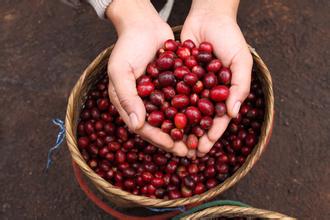
The best Salvadoran coffee is typically harvested between January and March. During this period, around 35% of the country’s Strictly Hard Bean (SHB) grade coffee is exported—particularly to Germany. The country’s high altitudes and volcanic soils create ideal conditions for producing dense, high-quality beans with complex flavors. The image below shows freshly packaged Salvadoran coffee ready for export.
Coffee Varieties Grown in El Salvador
Salvadoran coffee is categorized by altitude, with higher-grown beans considered superior. Among the well-known varieties is Pipil—a name derived from the Aztec-Mayan word for coffee—which has earned organic certification from the Organic Certified Institute of America. It is light-bodied, aromatic, clean, and mildly acidic, embodying the classic Salvadoran profile.
Another rare and noteworthy variety is Pacamara. This hybrid, a cross between Pacas and Maragogype, is grown mainly in the western region near the Guatemalan border in Santa Ana. Pacamara beans are large and known for their unique cup profile, though they often exhibit a more muted aroma compared to other types. These beans highlight the diversity of flavor possible even within a small country.
Flavor Profile: Nutty, Chocolatey, Fruity, and Creamy Notes
Salvadoran coffee is often described as having a light body, pure aroma, and a well-balanced flavor. Many cups present a mix of nuttiness, chocolate, and soft acidity, with some lots expressing creamy textures and subtle berry notes. These flavor characteristics align closely with what some roasters and drinkers look for in a balanced single-origin cup—especially those that evoke notes of stone fruit, chocolate, and cream.
Frequently Asked Questions
What does Salvadoran coffee taste like?
Salvadoran coffee typically has a balanced flavor profile with notes of nuts, chocolate, soft acidity, and sometimes hints of cream or berries. Certain varieties like Pacamara can produce more unique profiles, but overall the cup is smooth and approachable.
When is Salvadoran coffee harvested?
The main harvest in El Salvador takes place between January and March, during which the highest quality beans—especially Strictly Hard Bean (SHB) grade—are picked and processed.
What is the Pipil coffee variety?
Pipil is a traditional coffee variety in El Salvador, derived from the Aztec-Mayan word for coffee. It has been certified organic and is known for its light body, aromatic profile, mild acidity, and clean cup.
What is Pacamara coffee and where is it grown in El Salvador?
Pacamara is a hybrid coffee variety created from crossing Pacas and Maragogype. In El Salvador, it is primarily grown in the western regions near the Guatemalan border, especially around Santa Ana. It is known for large beans and distinctive cup characteristics.
How did the Salvadoran civil war affect coffee production?
The guerrilla warfare in the 1980s and early 1990s severely disrupted El Salvador’s coffee industry. Production fell from 3.5 million bags in the 1970s to 2.5 million by 1990–1991, yields dropped, and many farmers left their land. Export taxes and poor exchange rates further weakened the industry until reforms began in 1990.
Where does most of El Salvador’s specialty coffee go?
Around 35% of the country’s Strictly Hard Bean-grade coffee is exported to Germany, particularly during the peak harvest months of January to March when the finest beans are available.
Recommended FrontStreet Beans for Nutty-Chocolate Coffee Flavors
For coffee lovers drawn to the nutty, chocolatey, and creamy profile described in Salvadoran coffees, FrontStreet Coffee offers several excellent single-origin options. Their Brazil Queen Manor coffee, made from Yellow Bourbon, delivers notes of creamy peanut butter, milk chocolate, and roasted peanuts with a smooth, balanced finish. Another great match is the Black Cocoa Blend, which combines Brazilian and Yunnan beans to emphasize smooth milk chocolate and sweet dark cocoa tones, ideal for espresso or milk drinks. Finally, the Specialty Blend features Colombian and Brazilian beans for layered almond, walnut, and caramelized sugar notes, perfect for those who enjoy a rich, nut-forward cup. Freshly roasted within 5 days · Orders placed before 17:00 ship the same day · Next-day delivery across most of Guangdong Province.
FrontStreet Coffee is a long-established specialty coffee roaster in Guangzhou China, selling freshly roasted beans from its own farm in Yunnan as well as dozens of carefully selected single-origin beans from around the world for both pour-over and espresso. The products deliver consistently excellent quality and great value, with shipping within 24 hours. Guangzhou's FrontStreet Coffee shop is recommended by many coffee lovers, and the beans are now available online at the Tmall 。
Important Notice :
前街咖啡 FrontStreet Coffee has moved to new addredd:
FrontStreet Coffee Address: 315,Donghua East Road,GuangZhou
Tel:020 38364473