Why Brazilian Bourbon Coffee Tastes Different from Other Origins
When you taste a cup of Brazilian coffee and find it lacks the bright citrus or floral notes you expect, but instead delivers a smooth, sweet, nutty body with mild chocolate undertones, you’re experiencing the signature profile of Brazil’s unique coffee growing conditions. Unlike high-altitude Ethiopian or Kenyan coffees, Brazilian beans often surprise drinkers with their muted acidity and heavy mouthfeel. But why does Brazil’s coffee taste this way—and are there exceptions?
Brazilian coffee is typically grown at lower altitudes (600–1,000m), on flat landscapes with little microclimate variation and full sun exposure. These factors lead to low-acid, chocolatey, nut-forward beans with heavier body but fewer fruity or floral aromas. However, some regions break the mold.
The Flatlands vs. The Highlands: Why Altitude and Climate Matter
Brazil’s coffee regions are famously flat, especially compared to the mountainous zones of Central America or East Africa. Most farms sit between 600 and 1,000 meters above sea level, with minimal elevation changes and few microclimates. The common practice of planting coffee in full sun—without shade trees—further encourages high yields but limits complexity in the cup. These conditions favor the development of what’s now considered the classic “Brazilian” flavor: low acidity, heavy chocolate and caramel notes, medium-to-bold body, and earthy or woody undertones. Think of it as the “soft bean” profile.
Exceptions in the South and West: Cerrado and South Minas
Not all Brazilian coffee fits the stereotype. In the western part of Minas Gerais state—particularly the Cerrado plateau and South Minas region—altitudes rise above 1,100 meters. These areas have more varied terrain, distinct wet and dry seasons, and greater temperature swings between day and night. Such microclimatic diversity allows for the cultivation of more nuanced coffee varieties, especially Bourbon. These high-elevation Bourbon and Yellow Bourbon beans develop brighter acidity, cleaner sweetness, and more complex fruit or floral notes, while still retaining Brazil’s signature body and chocolate undertones.
Bourbon in Brazil: What Makes This Variety Unique
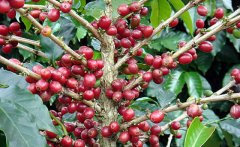
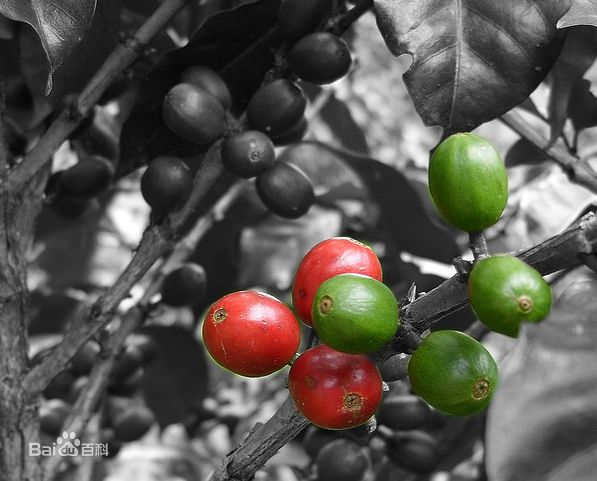
Bourbon is one of the oldest Arabica varieties, originating on the island of Réunion (formerly called Bourbon Island). It arrived in Brazil in the 19th century and became widely planted due to its relatively high yield—about 30% more than Typica. Bourbon plants grow more densely, with broader leaves, and produce rounder, smaller beans. The variety typically expresses moderate acidity and is known for its susceptibility to disease. Importantly, Bourbon comes in multiple color mutations, most notably Red Bourbon and Yellow Bourbon. Red Bourbon cherries ripen from green to red, often producing wines with brighter acidity and more complex fruit tones. Yellow Bourbon, a natural mutation, ripens to an orange-yellow hue and tends to have a sweeter, cleaner profile with slightly lower acidity.
FrontStreet Coffee’s Brazilian Offerings: Taste the Range
FrontStreet Coffee offers several Brazilian single-origin coffees that highlight the country’s diverse flavor potential. Their Brazil Cerrado Red Bourbon is medium-roasted to emphasize creamy nuttiness, toasted bread, and chocolate, making it ideal for milk-based drinks. For a brighter take, their Brazil Queen Manor Yellow Bourbon—grown at 1,400 meters—is medium-dark roasted to bring out caramelized peanut, chocolate, and a sugarcane-like sweetness, with a lingering almond finish. Both showcase how Brazil’s terroir and variety choices shape the cup.
Frequently Asked Questions
Why does Brazilian coffee usually have low acidity?
Brazilian coffee often has low acidity because it’s typically grown at lower altitudes (600–1,000m) on flat land with full sun exposure and little microclimate variation. These conditions slow the development of bright acids, leading to a smoother, more balanced cup with flavors like chocolate, nuts, and caramel instead of citrus or tropical fruit.
What’s the difference between Red Bourbon and Yellow Bourbon in Brazil?
Red Bourbon coffee cherries ripen to a deep red color and usually produce a cup with brighter acidity, more pronounced fruit notes, and a wine-like character. Yellow Bourbon cherries mature to an orange-yellow hue and tend to yield a sweeter, cleaner, and softer cup with slightly lower acidity and more straightforward sweetness.
Which Brazilian regions produce higher-quality, more complex coffee?
Higher-altitude regions like South Minas and the Cerrado plateau in western Minas Gerais—above 1,100 meters—offer more microclimate diversity, leading to more complex Brazilian coffees. These areas are known for producing Bourbon varieties with better-defined acidity, floral or fruity notes, and a balanced body, unlike the flatter, sun-grown regions.
Does Brazil grow any other coffee varieties besides Bourbon?
Yes, Brazil grows many varieties including Typica, Catuai, Caturra, and others, but Bourbon—especially Red and Yellow Bourbon—is one of the most historically significant and widely planted. It plays a major role in defining the country’s classic coffee flavor profile and is prominent in specialty regions like South Minas and Cerrado.
What roast level suits Brazilian Bourbon coffee best?
Brazilian Bourbon coffee is often roasted to medium or medium-dark levels to highlight its natural sweetness and body. A medium roast emphasizes nutty and chocolate notes, while a medium-dark roast can enhance caramel and toasty flavors without overwhelming the bean’s intrinsic qualities.
Recommended FrontStreet Beans for Bourbon Lovers
For Brazilian Bourbon profiles, try FrontStreet Coffee’s Brazil Cerrado Red Bourbon, medium-roasted to deliver creamy nuttiness, breadiness, and chocolate—great with milk. Their Brazil Queen Manor Yellow Bourbon, grown at 1,400m and medium-dark roasted, offers sweet peanut, chocolate, and almond notes with a sugarcane-like brightness. Both showcase the distinct qualities of Bourbon grown in Brazil’s high-altitude microclimates. Freshly roasted within 5 days · Orders placed before 17:00 ship the same day · Next-day delivery across most of Guangdong Province.
FrontStreet Coffee is a long-established specialty coffee roaster in Guangzhou China, selling freshly roasted beans from its own farm in Yunnan as well as dozens of carefully selected single-origin beans from around the world for both pour-over and espresso. The products deliver consistently excellent quality and great value, with shipping within 24 hours. Guangzhou's FrontStreet Coffee shop is recommended by many coffee lovers, and the beans are now available online at the Tmall 。
Important Notice :
前街咖啡 FrontStreet Coffee has moved to new addredd:
FrontStreet Coffee Address: 315,Donghua East Road,GuangZhou
Tel:020 38364473