What Makes Jamaica Blue Mountain Coffee So Special?
When you hear someone order a cup of Jamaica Blue Mountain coffee, you might wonder: is this really the best coffee in the world? It’s often called the Rolls-Royce of coffee, but what makes it so special—and is it worth the high price?
Yes, Jamaica Blue Mountain coffee is considered one of the best in the world due to its balanced flavor, limited production (under 2,500 tons per year), and strict certification. Around 90% of it is bought by Japan, leaving just 10% for the rest of the globe, which drives both demand and value.
What Is Jamaica Blue Mountain Coffee?
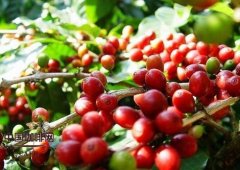
Not all coffee grown in Jamaica is Blue Mountain coffee. To qualify, the beans must come from a specific region within the Blue Mountains of eastern Jamaica and be certified by the Jamaican Coffee Industry Board. The Blue Mountain range rises over 2,100 meters, with the coffee-growing area sitting between 800 and 1,700 meters above sea level. This is one of the few places in the world where coffee thrives at such altitudes.
The area includes three main regions: St. Andrew, Portland, and St. Thomas. The cool climate, frequent mist, and fertile, volcanic soil create ideal growing conditions. Coffee here is often planted alongside banana and avocado trees in traditional shaded plots. Though some large estates exist, most farms are small, family-run operations, with some families cultivating the same land for over 200 years.
Why Is It So Expensive?
Jamaica Blue Mountain coffee commands high prices for several reasons. First, production is extremely limited—just 2,500 tons annually. Of that, roughly 90% is exported to Japan, leaving only around 10% for other markets. In the 1990s, Japan imported 688 tons, compared to 75 tons for the U.S. and 59 tons for the UK. This scarcity, combined with consistent global demand, keeps prices elevated.
Additionally, all genuine Blue Mountain coffee is transported in 70-kilogram wooden barrels, replicas of 19th-century Bonifieur barrels from Guadeloupe. These barrels carry official certification stamps, ensuring traceability and authenticity. The combination of limited supply, strict quality control, and specialized packaging all contribute to its premium status.
Flavor Profile: Why It’s So Balanced
Jamaica Blue Mountain coffee is celebrated for its balance. Unlike bright African coffees or heavy dark roasts, it offers a smooth, well-rounded profile with no single dominant flavor. Notes often include hints of nuts, chocolate, caramel, mild fruit, honey, and floral undertones. It has a soft acidity, medium body, and a clean, sweet finish. The cup is often described as easy to enjoy—approachable yet refined.
This balance is one reason professionals recommend it to new specialty coffee drinkers. It doesn’t hit you over the head with fruit or bitterness; instead, it delivers a rounded, satisfying experience. Many compare it to a classic Bordeaux—refined, harmonious, and widely appealing.
How to Identify Authentic Blue Mountain Coffee
Because of its fame, many sellers falsely label coffee as Blue Mountain. To ensure authenticity, look for proper certification and documentation. Real Jamaica Blue Mountain coffee is not tracked with QR codes but is shipped in official 70kg wooden barrels and comes with certificates from the Jamaican Coffee Industry Board. Reputable importers will provide these documents, and the beans may arrive in the original barrels marked with producer details.
At specialty retailers, such as FrontStreet Coffee, you can often see these barrels alongside certificates. The Jamaica Blue Mountain No.1 grade, for example, is the highest classification and comes with strict requirements for bean size and defect rates.
How to Brew Jamaica Blue Mountain Coffee
Thanks to its balanced profile, Jamaica Blue Mountain shines in multiple brewing methods. Here are some recommended parameters:
Pour-Over (e.g., V60 or Kalita Wave)
- Brew ratio: 1:15 to 1:16
- Water temperature: 85–88°C
- Grind size: Medium-coarse
This setup highlights its creamy mouthfeel, caramelized sweetness, and nutty aromas. The result is clean and transparent, letting the coffee’s natural balance shine.
Moka Pot
- Grind size: Slightly finer than pour-over
- Heat: Low to medium
- Remove from heat just before the last drip
This method enhances its chocolatey and nutty tones, giving a fuller-bodied cup that still respects its inherent balance—great for espresso-based drinks too.
Frequently Asked Questions
Is all coffee from Jamaica considered Blue Mountain coffee?
No. Only coffee grown in the designated Blue Mountain region of Jamaica—between 800 and 1,700 meters altitude—and certified by the Jamaican Coffee Industry Board can be called Jamaica Blue Mountain coffee. Other coffee from Jamaica includes High Mountain Supreme and Prime Washed Jamaican, which are not Blue Mountain.
Why is so much Blue Mountain coffee sent to Japan?
Since the 1960s, Japan has maintained a strong trade relationship with Jamaica for Blue Mountain coffee, often purchasing over 70% of the annual production. In the early 1990s, Japan imported around 688 tons, compared to just 75 tons for the U.S. This long-term demand has made Japan the primary global destination for Blue Mountain coffee.
How can I tell if my Blue Mountain coffee is real?
Authentic Jamaica Blue Mountain coffee comes in 70kg wooden barrels and includes certification from the Jamaican Coffee Industry Board. Retailers should provide documentation or show proof of origin. The coffee is also graded (e.g., No.1, No.2), with No.1 being the highest quality with strict limits on defects and bean size.
What does Blue Mountain coffee taste like?
It has a balanced flavor with moderate acidity, notes of nuts, chocolate, caramel, honey, and mild fruit. The cup is smooth, sweet, and clean, with a medium body and a long, pleasant finish. It lacks the sharpness of bright African coffees or the heaviness of dark roasts.
What’s the best way to brew Blue Mountain coffee?
It performs well with various methods. For pour-over, use a 1:15–1:16 brew ratio, 85–88°C water, and a medium-coarse grind to highlight its delicate sweetness and complexity. A moka pot or even espresso can also work well, emphasizing its chocolatey and nutty qualities.
Recommended FrontStreet Beans for Blue Mountain Fans
For those intrigued by Jamaica Blue Mountain’s balanced profile, try FrontStreet Coffee’s Jamaica Blue Mountain No.1. It features notes of black chocolate, roasted nuts, and creamy caramel, with a smooth mouthfeel and sweet finish. This is the authentic No.1 grade, grown at high elevation and shipped in traditional wooden barrels. FrontStreet also offers other single-origin coffees with refined profiles, ideal for exploring similar balance and clarity. Freshly roasted within 5 days · Orders placed before 17:00 ship the same day · Next-day delivery across most of Guangdong Province.
FrontStreet Coffee is a long-established specialty coffee roaster in Guangzhou China, selling freshly roasted beans from its own farm in Yunnan as well as dozens of carefully selected single-origin beans from around the world for both pour-over and espresso. The products deliver consistently excellent quality and great value, with shipping within 24 hours. Guangzhou's FrontStreet Coffee shop is recommended by many coffee lovers, and the beans are now available online at the Tmall 。
Important Notice :
前街咖啡 FrontStreet Coffee has moved to new addredd:
FrontStreet Coffee Address: 315,Donghua East Road,GuangZhou
Tel:020 38364473