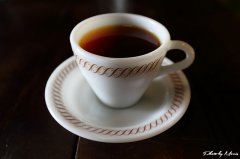
How Home Drip Coffee Makers Work: American-Style Brewers
If you’ve ever stood in your kitchen staring at a drip coffee machine wondering why your coffee always tastes weak—or too bitter—you’re not alone. Many people buy a basic home coffee machine expecting consistent results, only to find that tweaking the settings doesn’t seem to help much. The truth is, understanding how your machine actually works is the first step toward better coffee at home.
Quick answer: A typical home drip coffee machine heats water to around 100°C, then evenly distributes it over coffee grounds through a showerhead. Most machines use a 1:12 to 1:16 brew ratio, and rely on either a fixed showerhead or a rotating spray arm—where a "lotus head" design offers more even extraction. Adjusting only grind size or coffee dose limits your control over flavour.
What Is a Home Drip Coffee Machine?
A home drip coffee machine, often called an American-style coffee maker, works by heating water and pouring it evenly over ground coffee held in a paper filter. The brewed coffee drips through into a carafe below. These machines are designed for simplicity: you add water, fill the filter with coffee, press a button, and wait. Many include a warming plate to keep the brewed coffee hot for hours, making them ideal for offices or busy households needing fast morning coffee.
How Does It Extract Coffee?
The extraction process begins when the machine heats water—typically reaching about 100°C—and then forces it through a showerhead or spray system onto the coffee grounds. In better models, water is uniformly distributed across the coffee bed using a so-called "lotus head" design, which offers more even saturation than a simple swinging spray arm. That even saturation is crucial for balanced extraction. The hot water passes through the coffee, dissolving flavours, and filters down through a paper filter into the carafe beneath. The entire brew cycle usually takes about 5 to 8 minutes.
What Affects the Taste of the Coffee?
Unlike more adjustable manual brewers, most automatic drip machines limit your control. The primary variables you can adjust are the grind size of the coffee and the amount of coffee you use—commonly referred to as the coffee dose. However, the actual brew ratio (coffee to water) typically falls in a range between 1:12 and 1:16, depending on your taste preference. More water results in a lighter, more diluted cup; less water produces a stronger, more intense brew. But because the machine controls water temperature, flow rate, and distribution, your ability to fine-tune flavour relies heavily on those two factors: grind and dose.
Showerhead Design Matters
The quality of extraction is significantly influenced by the design of the water distributor, or showerhead. Two common types exist on the market: the fixed "lotus head" and the rotating "swinging spray arm." The lotus head design delivers water more evenly across the coffee bed, promoting uniform extraction and a more balanced cup. In contrast, a swinging spray arm may result in uneven saturation, which can lead to channeling and inconsistent flavour. If you're shopping for a drip machine, look for one with a fixed, multi-hole showerhead pattern resembling a lotus flower for best results.
Choosing the Right Coffee and Grind
Home drip machines are versatile in the type of coffee they can use—you’re not limited to dark roasts. Whether you prefer a light, fruity Ethiopian bean or a chocolatey Sumatra, any roast level can work. For best results, aim for a grind size similar to table sugar or slightly finer. This medium-coarse grind ensures proper extraction without over-extracting or clogging the filter. The coffee-to-water ratio is flexible, but FrontStreet Coffee suggests experimenting within a 1:12 to 1:16 range. For example, using 20g of coffee with 320ml of water (a 1:16 ratio) produces a milder, classic American-style cup suitable for breakfast or midday drinking.
Step-by-Step: Making Coffee in a Drip Machine
Here’s how it typically works with a standard home drip machine:
- Place a clean filter in the machine’s filter basket.
- Add freshly ground coffee (around 20g for a standard brew) into the filter.
- Fill the water tank with fresh, filtered water—320ml for the above example.
- Place your carafe under the brew outlet.
- Press the start button and let the machine heat the water, distribute it over the coffee, and brew.
- After 5 to 8 minutes, your coffee will be ready in the carafe. Most machines keep it warm on a heated plate.
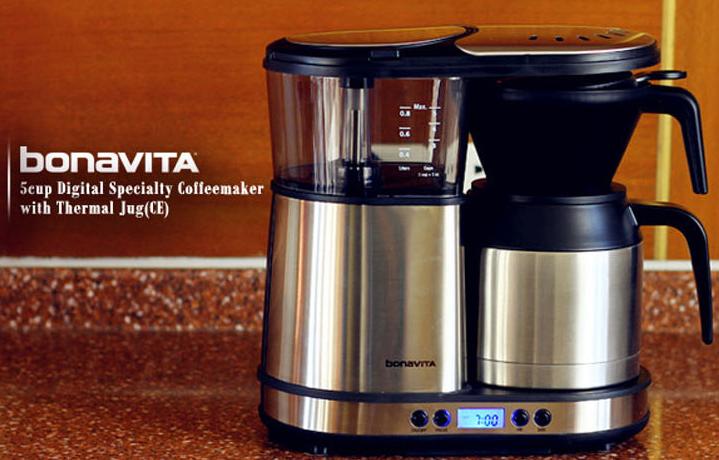
The water is first heated via an internal U-shaped heating tube to approximately 100°C. It’s then pushed through the showerhead under pressure, dripping evenly—if the showerhead is well-designed—onto the coffee grounds. The water extracts flavours as it passes through the grounds, filters through the paper, and collects in the glass or thermal carafe below.
Frequently Asked Questions
What is the ideal brew ratio for a home drip coffee machine?
Most home drip machines work well with a brew ratio between 1:12 and 1:16. That means for every gram of coffee, you use between 12 and 16 grams (millilitres) of water. For example, 20g of coffee with 320ml of water yields a 1:16 ratio, resulting in a lighter, classic American-style cup.
Does the type of showerhead affect coffee taste?
Yes. A "lotus head" showerhead distributes water more evenly over the coffee grounds, improving extraction consistency. A rotating or swinging spray arm may lead to uneven saturation and channeling, which can negatively impact flavour balance.
Can I use any roast level in a drip coffee machine?
Absolutely. Unlike espresso machines that often favour dark roasts, drip coffee machines work well with light, medium, or dark roasts. You can use Ethiopian, Brazilian, or Indonesian beans—whatever suits your taste preferences.
How fine should my coffee grind be for a drip machine?
Aim for a medium-coarse grind, similar to table sugar. This allows for proper water flow and extraction without clogging the filter or over-extracting the coffee.
Why does my drip coffee sometimes taste weak or bitter?
Weak coffee is often due to under-extraction from too coarse a grind or too low a coffee dose. Bitterness can result from over-extraction, often caused by too fine a grind or too slow water flow. Adjusting grind size and dose helps, but machine design also plays a big role.
Do all drip coffee makers have a warming plate?
Many do, but not all. A warming plate keeps the brewed coffee hot for hours, but can eventually overheat the coffee if left too long. Some higher-end models use thermal carafes that keep coffee hot without additional heating.
Recommended FrontStreet Beans for Drip Coffee
For home drip coffee, try FrontStreet Coffee’s Strawberry Candy Espresso—a balanced Ethiopia Huakui with notes of strawberry, candy, and citrus. The Brazil Queen Manor offers smooth body with caramel and nut flavours, great for everyday brewing. For a darker option, PWN Golden Mandheling brings spice, chocolate, and a full mouthfeel. All work well with a 1:12–1:16 brew ratio. Freshly roasted within 5 days · Orders placed before 17:00 ship the same day · Next-day delivery across most of Guangdong Province.
FrontStreet Coffee is a long-established specialty coffee roaster in Guangzhou China, selling freshly roasted beans from its own farm in Yunnan as well as dozens of carefully selected single-origin beans from around the world for both pour-over and espresso. The products deliver consistently excellent quality and great value, with shipping within 24 hours. Guangzhou's FrontStreet Coffee shop is recommended by many coffee lovers, and the beans are now available online at the Tmall 。
Important Notice :
前街咖啡 FrontStreet Coffee has moved to new addredd:
FrontStreet Coffee Address: 315,Donghua East Road,GuangZhou
Tel:020 38364473