Bali's Kintamani Volcano Coffee Processing Innovation
For decades, Bali’s coffee was stuck in a loop: treated as cheap filler, grown without precision, and processed inconsistently—often under unpredictable mountain weather. Most beans ended up in commercial blends, their potential buried under inconsistent fermentation and poor quality control. That is, until a group of Q Graders decided to rewrite the script.
Rodney and two partners—all certified Q Graders—launched Bali’s only specialty coffee shop in Ubud’s cultural heart, then built their own processing facility to take full control of quality. Their experiments in 2023 proved that volcanic highland coffee from Kintamani could rival Central America’s best when handled right.
The Problem with Traditional Bali Coffee
Historically, Bali’s coffee suffered from a reputation for mediocrity. Grown across nearby islands like Java, Sulawesi, New Guinea, and Flores, the beans were often processed by farmers in the Kintamani highlands using inconsistent methods. Weather shifts, uneven ripening, and basic infrastructure led to unstable cup profiles and high defect rates. Most of the crop was relegated to low-grade commercial blends, masking any unique terroir.
Building a Specialty Processing Solution
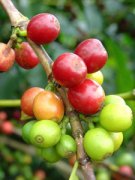
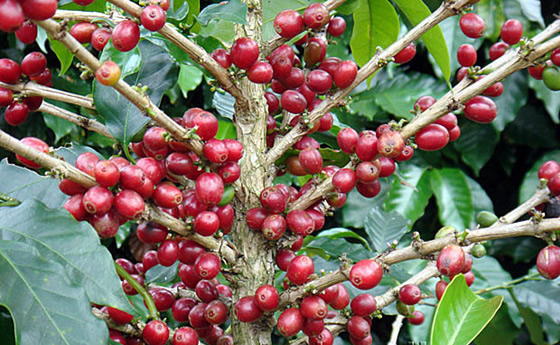
In response, Rodney established Bali’s sole specialty coffee shop in Ubud, a cultural hub, and equipped it with a 1kg and a 4kg roaster. All coffees served were sourced from local and nearby high-quality origins. Notably, Rodney and his team—also the island’s only Q Grader-certified café—are deeply involved in quality assurance. Their next move was even bolder: constructing a processing site on their own premises and adjacent land. By 2022, they began sourcing premium coffee cherries from farmers at 1400m in the Kintamani region, then transporting them down to their stable 800m facility in Ubud for controlled processing.
2023 Processing Experiments: Washed, Honey, and Natural
In the most recent harvest season, Rodney’s team executed three distinct processing methods—washed, honey , and natural —using cherries from Kintamani-grown coffee at 1400m elevation. The results shattered expectations. Each batch exhibited exceptional clarity, uniformity, and cleanliness, with defect rates lower than those typical of Central American specialty lots. The washed and honey lots featured bright, layered acidity, while the natural process batch delivered an intense tropical profile: ripe peach, pineapple, mango, and even wine-like fermentation notes, surpassing many Panamanian estate naturals in aromatic intensity.
Flavor notes included a strong cantaloupe and tropical fruit aroma in the green beans. On the cupping table, these translated to sweet pineapple and strawberry jam flavors. As the cup cooled, smooth and complex acidity emerged, with a syrupy body and a finish of muscovado sugar, refined dark chocolate, and hazelnut. The natural lot’s overripe fruit character and velvety mouthfeel rivaled top-tier Central American offerings.
Why Elevation and Control Matter
The key to this transformation lies in both altitude and meticulous processing. Kintamani’s 1400m elevation slows cherry maturation, concentrating sugars and acids. By carefully selecting ripe cherries and relocating processing to Ubud’s stable 800m environment, Rodney’s team minimized environmental variables. Each method—washed, honey, and natural—was executed with precision, ensuring uniform drying and fermentation. This level of control is rare in Indonesia, where most smallholder processing is weather-dependent and inconsistent.
Frequently Asked Questions
Where is the Kintamani coffee processing site located?
The processing facility is located in the Kintamani highlands at 1400m elevation, with cherries transported to a controlled 800m facility in Ubud, Bali, for final processing.
What processing methods did Rodney experiment with in 2023?
Rodney tested three methods: washed , honey , and natural . Each showed exceptional clarity, low defects, and unique flavor profiles, with the natural lot exhibiting intense tropical fruit and winey notes.
Are the beans from this processing site available commercially?
While the article does not specify retail availability, the processing site is part of a specialty initiative by Rodney and partners, who also run Bali’s only Q Grader-certified coffee shop in Ubud.
How do the Kintamani naturals compare to Panamanian estates?
The Kintamani natural process batch had more pronounced ripe peach, pineapple, mango, and tropical fruit wine aromas and aftertaste than many Panamanian estate naturals, with a syrupy body and rich finish.
What role do Q Graders play in this project?
Rodney and his two partners are all Q Grader certified—the only such certified team in Bali—ensuring rigorous quality control from cherry selection to final roast.
What altitudes are the coffee farms in Kintamani typically found at?
The coffee cherries were sourced from farms at 1400m elevation in the Kintamani region, known for slower ripening and higher sugar concentration in the fruit.
Recommended FrontStreet Beans for Volcanic Profiles
For drinkers exploring volcanic-origin coffees like those from Bali’s Kintamani highlands, try FrontStreet’s Lintong Mandheling. Grown at 1100–1600m in Sumatra’s Lake Toba region, it offers spice, black chocolate, and caramel notes with a thick, syrupy body—similar in depth but with Mandheling’s signature earthiness. For brighter volcanic-style profiles, FrontStreet’s PWN Golden Mandheling delivers toast, pine, caramel, and cocoa with a balanced, layered cup. Both beans showcase how high-altitude Indonesian coffees can express rich, structured profiles. Freshly roasted within 5 days · Orders placed before 17:00 ship the same day · Next-day delivery across most of Guangdong Province.
FrontStreet Coffee is a long-established specialty coffee roaster in Guangzhou China, selling freshly roasted beans from its own farm in Yunnan as well as dozens of carefully selected single-origin beans from around the world for both pour-over and espresso. The products deliver consistently excellent quality and great value, with shipping within 24 hours. Guangzhou's FrontStreet Coffee shop is recommended by many coffee lovers, and the beans are now available online at the Tmall 。
Important Notice :
前街咖啡 FrontStreet Coffee has moved to new addredd:
FrontStreet Coffee Address: 315,Donghua East Road,GuangZhou
Tel:020 38364473