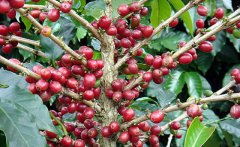
What Makes Guatemalan Specialty Coffee Unique?
If you’ve ever sipped a cup of rich, complex coffee with deep acidity and spice notes, you may have tasted Guatemalan coffee without knowing it. For decades, this small Central American country produced some of the world’s most sought-after beans—but its reputation dipped before staging a comeback. What makes Guatemalan coffee worth rediscovering today?
Guatemalan specialty coffee is prized for its full-bodied, balanced profile with bright acidity and spicy, sometimes tobacco-like tones. The country’s Strictly Hard Bean (SHB) grade coffees—grown at elevations above 1,500 meters—are particularly celebrated for their large beans, rich flavor, and consistent cup quality.
The Origins and History of Guatemalan Coffee
Coffee was introduced to Guatemala in 1750 by Jesuit priests. By the late 19th century, German settlers had established a thriving coffee industry. Today, most production occurs in the southern regions, especially on the slopes of the Sierra Madre volcanoes. These high-altitude zones provide near-perfect conditions for cultivating premium SHB beans. The volcanic soil, combined with cool temperatures, yields coffee with intense, often spicy complexity—a profile that distinguishes Guatemalan beans on the global stage.

Why Guatemalan Coffee Stands Out
Guatemalan coffee is known for its bold yet balanced flavor, typically featuring bright acidity, medium-to-full body, and nuanced tasting notes such as spices, nuts, chocolate, and sometimes tobacco. What really sets it apart is the country’s diverse microclimates and elevation range. The Strictly Hard Bean classification—denoting beans grown at over 1,500 meters—ensures denser, slower-maturing cherries that develop more complex sugars. The presence of so-called "giant beans" also contributes to its premium reputation. In cupping evaluations, judges often favor Guatemalan lots for their layered, spice-forward profiles compared to other origins.
Key Coffee-Growing Regions in Guatemala
Several regions define Guatemala’s coffee identity:
- Antigua: Home to the famed Hacienda Carmona and its top lot, El Pulcal. Antigua coffees are bold, rich, and tobacco-forward, benefiting from volcanic soil enriched by periodic eruptions. The region enjoys steady rainfall, ample sun, and altitudes between 1,500–1,700 meters.
- Lake Atitlán and Huehuetenango: These areas are part of a USAID-funded “Project” investing $2.5 million to support high-quality smallholder farms, many run by Maya descendants. The project encourages on-farm processing and combats the industry’s high-volume, low-quality cycle.
- Other regions: Include San Marcos, Oriente & Cobán, Pacaya, Mataquescuintla, and La Uman in Zacapa. Each contributes unique cup profiles influenced by local climate and processing methods.
Challenges and Efforts in the Guatemalan Coffee Industry
Guatemala once led the world in coffee excellence, but production has since declined to 700 kg per hectare—lower than El Salvador (900 kg) and Costa Rica (1,700 kg). The national coffee trade is largely managed by private firms, though the Asociación Nacional del Café (Anacafé) oversees regulation and promotion. A significant portion of top-grade beans is exported to Japan, where they can fetch $3–$4 per cup. Most small producers are of Maya heritage, and many benefit from initiatives like the $2.5 million Project aimed at improving quality and sustainability. This includes reviving older, higher-quality Bourbon trees over modern high-yield dwarf varieties, and encouraging farmers to process cherries locally to capture more value.
Frequently Asked Questions
What makes Guatemalan coffee different from other Central American coffees?
Guatemalan coffee is distinct due to its Strictly Hard Bean classification, high-altitude growth (often above 1,500m), and volcanic soil. These factors contribute to a profile that is typically bold, balanced, and complex, with bright acidity, medium-to-full body, and flavors that can include spices, chocolate, nuts, and tobacco. Guatemalan beans are often larger (“giant beans”) and more dense, leading to slower cherry maturation and richer cup qualities.
Which regions in Guatemala produce the best coffee?
The most renowned regions are Antigua, known for rich, tobacco-forward cups like El Pulcal; Lake Atitlán; and Huehuetenango. Antigua benefits from volcanic soil and microclimates enhanced by historical volcanic activity. Huehuetenango and Lake Atitlán offer high-altitude conditions ideal for producing bright, complex coffees. All three regions are recognized for their consistent specialty-grade output.
What coffee variety is most common in Guatemala?
Bourbon is one of the most valued coffee varieties in Guatemala. Older Bourbon trees tend to produce fewer but higher-quality beans compared to newer, high-yield dwarf hybrids. The country also grows Typica, Catuai, Caturra, and others, but Bourbon remains especially prized for its cup quality, especially when cultivated at high elevations.
How has the Guatemalan coffee industry changed in recent years?
After a decline in global reputation due to falling production quality and yields (currently 700 kg/hectare), Guatemala is rebuilding its standing through quality-focused initiatives. A major $2.5 million US-funded project supports smallholder Maya farmers in improving processing, cultivating better varieties like Bourbon, and encouraging on-farm milling. Meanwhile, premium beans continue to be exported, especially to Japan, where they command premium prices.
Is Guatemalan coffee suitable for single-origin offerings?
Yes. Guatemalan coffee is highly regarded for single-origin offerings due to its distinct regional profiles, high growing elevations, and consistent quality standards. Antigua, Huehuetenango, and Lake Atitlán beans are especially popular among specialty roasters for their unique flavor characteristics and traceability.
Recommended FrontStreet Beans for Guatemalan Coffee Lovers
Explore Guatemalan-style profiles with FrontStreet Coffee’s BrazilBourbon, offering balanced body, mild acidity, and notes of nut and caramel. For brighter, fruitier cups, try ColombiaSidra with complex sweetness and Sidra character. Alternatively, experience IndonesiaLintong Mandheling’s full body and earthy depth. All are expertly roasted single origins, ideal for pour-over or drip. Freshly roasted within 5 days · Orders placed before 17:00 ship the same day · Next-day delivery across most of Guangdong Province.
FrontStreet Coffee is a long-established specialty coffee roaster in Guangzhou China, selling freshly roasted beans from its own farm in Yunnan as well as dozens of carefully selected single-origin beans from around the world for both pour-over and espresso. The products deliver consistently excellent quality and great value, with shipping within 24 hours. Guangzhou's FrontStreet Coffee shop is recommended by many coffee lovers, and the beans are now available online at the Tmall 。
Important Notice :
前街咖啡 FrontStreet Coffee has moved to new addredd:
FrontStreet Coffee Address: 315,Donghua East Road,GuangZhou
Tel:020 38364473