Ethiopian Yirgacheffe Adado G1 Natural Process Coffee
If you’ve ever tasted a bright, fruity Ethiopian coffee and wondered what makes it so distinct—especially those with sticky-sweet berry and floral notes—that ‘something special’ often comes down to both origin and processing. This article breaks down the details behind one specific Ethiopian lot: the Adado G1 natural from the Yirgacheffe region.
The Adado G1 natural coffee comes from Ethiopia’s Yirgacheffe zone, grown at 1900–2100 metres above sea level by the Adado Cooperative using the heirloom variety and a full natural (sun-dried) process. Expect dominant tasting notes of blueberry, honey, purple fruit, and citrus.
Where Does This Coffee Come From?
This lot originates in the Gedeo Zone, part of Ethiopia’s renowned Yirgacheffe coffee-growing area. The Adado Cooperative is the producer, sourcing cherries from local smallholders who cultivate coffee at elevations between 1900 and 2100 metres. These high altitudes slow cherry maturation, leading to denser beans and more complex sugars—a key factor in the coffee’s vibrant cup profile.
Why Natural Process? What’s Different?
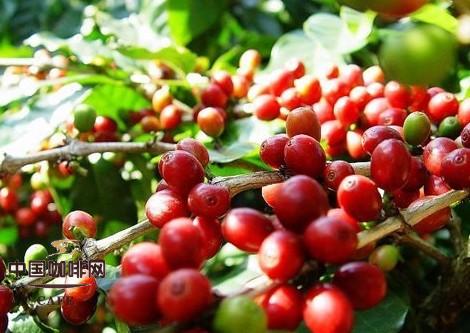
The coffee is processed using the natural (or dry) method: ripe cherries are carefully picked and then spread out to dry in the sun with the fruit still intact. This process can amplify sweetness, enhance fruity characteristics, and add a syrupy body. For this Adado lot, the result is a cup bursting with blueberry, honey-like sweetness, tones of purple fruit, and a zesty citrus edge. It’s a classic example of how natural processing in Yirgacheffe can shape a coffee’s flavour signature.
What Is Heirloom Variety—and Why Does It Matter?
The beans are of the ‘heirloom’ variety, a broad term used in Ethiopia for the diverse, indigenous cultivars that predate modern hybridised coffee plants. These varieties have adapted over centuries to Ethiopia’s high altitudes and varied microclimates. While they lack the uniformity of single cultivars like Typica or Bourbon, they contribute to the unique and often floral-fruity profiles associated with Ethiopian coffees. In this case, the heirloom beans underline the Adado lot’s complexity.
How to Brew This Ethiopian Natural
To get the most out of the Adado G1 natural, try a standard V60 pour-over: aim for a water temperature of 90–91°C, use a 1:15 brew ratio (e.g., 15g coffee to 225g water), and grind to a medium-fine setting similar to table salt (about 20 on the EK43 or a sieve passing 80% through a No.20 filter).
Start with a 30-second bloom using 30g of water, then pour in 95g over the next minute. When the coffee bed drops to about two-thirds full, pour the remaining 100g. Your total brew time should land around 2:10–2:15. This method balances clarity and sweetness, letting the blueberry and citrus notes shine.
Frequently Asked Questions
What is the Adado G1 coffee?
The Adado G1 is a single-origin Ethiopian coffee from the Yirgacheffe region, produced by the Adado Cooperative. It is classified as Grade G1—the highest commercial grade in Ethiopia—indicating high bean quality with minimal defects. The coffee is processed using the natural (sun-dried) method, giving it distinctive fruity and sweet characteristics.
Where is Yirgacheffe and why is it famous?
Yirgacheffe is a district within Ethiopia’s Southern Nations, Nationalities, and Peoples' Region, part of the larger Gedeo Zone. It’s renowned for producing some of the world’s most distinctive specialty coffees, thanks to high altitudes (1700–2100m+), fertile soils, and traditional processing methods. Yirgacheffe coffees are often floral, citrusy, and tea-like, especially when washed—but naturals like this Adado lot show intense berry and tropical fruit flavors.
What does 'heirloom variety' mean in Ethiopian coffee?
In Ethiopia, ‘heirloom variety’ refers to the many ancient, wild, or landrace coffee plants that have been cultivated for centuries without formal classification. Unlike single-origin cultivars such as Typica or Geisha, heirlooms are a diverse group adapted to local conditions. They are known for contributing complex, often floral or fruity, flavours to the cup.
What tasting notes should I expect from this natural Adado coffee?
This Adado G1 natural coffee typically presents notes of blueberry, honey, purple fruit, and citrus. The natural processing enhances sweetness and fruitiness, making the coffee juicy and vibrant, with a syrupy mouthfeel and bright acidity.
How should I brew this Ethiopian natural coffee?
For best results, use a V60 pour-over with a 1:15 brew ratio, 90–91°C water, and a medium-fine grind (similar to table salt). Start with a 30g bloom, then pour in stages: 95g, wait, then 100g. Total brew time should be around 2:10–2:15 to balance clarity and fruit sweetness.
Recommended FrontStreet Coffee for Ethiopian Naturals
Try FrontStreet Coffee’s Yirgacheffe offerings to explore similar flavour profiles. Their Red Cherry Natural uses a full red-fruit sun-dried method for bold berry, honey, and citrus notes, while their washed Yirgacheffe delivers classic floral and citrus brightness. Both highlight Ethiopia’s terroir and are great for comparing processing methods. Freshly roasted within 5 days · Orders placed before 17:00 ship the same day · Next-day delivery across most of Guangdong Province.
FrontStreet Coffee is a long-established specialty coffee roaster in Guangzhou China, selling freshly roasted beans from its own farm in Yunnan as well as dozens of carefully selected single-origin beans from around the world for both pour-over and espresso. The products deliver consistently excellent quality and great value, with shipping within 24 hours. Guangzhou's FrontStreet Coffee shop is recommended by many coffee lovers, and the beans are now available online at the Tmall 。
Important Notice :
前街咖啡 FrontStreet Coffee has moved to new addredd:
FrontStreet Coffee Address: 315,Donghua East Road,GuangZhou
Tel:020 38364473