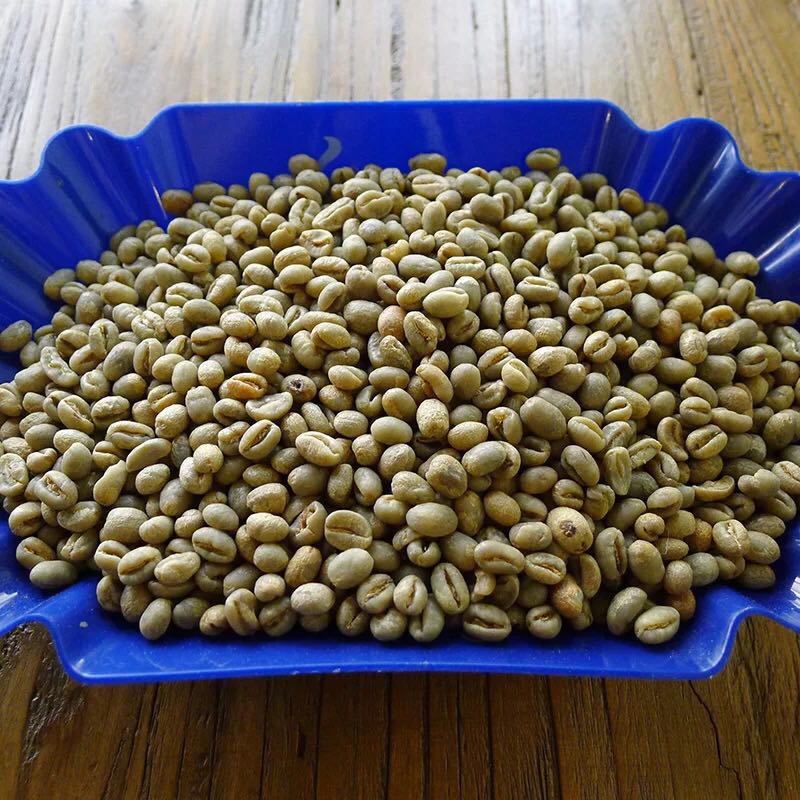
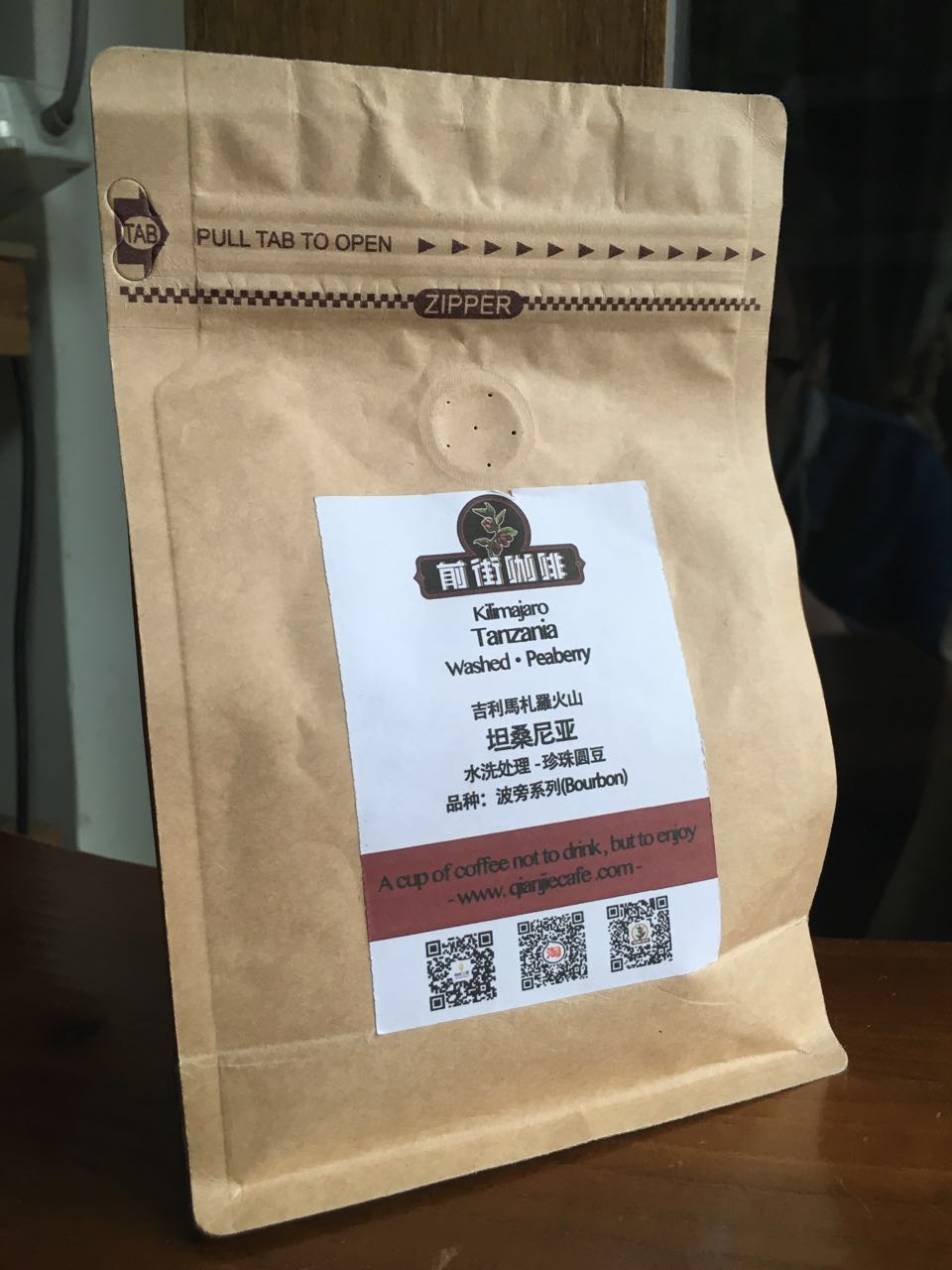
Yirgacheffe’s Gediyo Coffee: Ethiopia’s Hidden Gem Origin
Ethiopia is the birthplace of coffee—literally. The plant grew wild here for centuries before humans cultivated it, and many Ethiopian coffee trees remain uncultivated to this day. These wild-growing beans often develop bold flavors, full bodies, and subtle winelike aromas. But among Ethiopia’s dozens of coffee regions, some—like Gediyo—are still under the radar, even though they grow at high elevations and produce distinctive cups.
Yirgacheffe’s Gediyo is a lesser-known Ethiopian coffee-growing zone located near the famed Yirgacheffe town, sitting at elevations above 1,800 meters. While not as famous as nearby villages like Gedeb or Kochere, Gediyo shares the same high-altitude terroir that fosters bright acidity, floral notes, and complex fruitiness in its coffees.
The Origins of Ethiopian Coffee
Coffee’s story begins in Ethiopia. The word "coffee" is derived from the Ethiopian town of Kaffa, where the plant was first discovered growing wild. Though it’s believed humans started cultivating coffee as early as the 9th century, no one knows exactly who first did it or why. Local legend says monks used coffee to stay awake during evening prayers. Today, around 12 million Ethiopians rely on coffee production, making it Africa’s top Arabica exporter.
Ethiopian Coffee Varieties & Growing Methods
Ethiopia grows coffee in many forms: from untamed wild forests and semi-managed land to smallholder plots and modern estates. About half of the country’s coffee thrives above 1,500 meters. Notable regional types include Harrar (often with winey, spicy notes), Djimmah (sold as Limu or Babeka), and Sidamo (marketed as Yirgachaffe). The rarest of all is Yirgacheffe (or Irgachefe), mostly exported to Japan and Europe—notably through a supply deal held by German roaster Dallmeyer, a Nestlé subsidiary.
Ethiopian beans are rarely dark roasted. Their nuanced acidity and mild intensity can disappear under heavy roasting. In flavor, they resemble classic Ethiopian profiles but often defy simple categorization. They also play a central role in local culture: rural drinkers often mix freshly roasted beans with a herbal mix called "Health of Adam," creating a spiced, sweetened brew served with flatbread.
Yirgacheffe & Its Sub-Regions Like Gediyo
In 2010, due to its global renown, Ethiopia formally separated Yirgacheffe from the larger Sidamo region. The town of Yirgacheffe sits in the country’s southwest, within the Sidamo zone, at elevations between 1,700 and 2,100 meters—the highest of any major coffee-growing area. The name “Yirgacheffe” became synonymous with delicate floral notes, especially white jasmine and citrus, largely thanks to beans grown above 1,800 meters. Gediyo, though less known, lies close to this prime zone and benefits from similar conditions.
Within Yirgacheffe, even smaller zones like Gedeb (fruit-forward and vibrant) and specific villages contribute unique cup profiles. Many of these micro-regions, including likely Gediyo, supply single-origin lots sought after by specialty roasters for their clarity and complexity.
How Ethiopian Coffee Is Marketed & Sold
The Ethiopian Commodity Exchange (ECX) manages most coffee sales, controlling around 90% of exports. This centralized system is set to decentralize soon, potentially giving more power to local traders and farmers. Most Ethiopian coffee is sold through daily auctions, with major markets including Germany, the United States, France, and Japan. While Yirgacheffe beans often make it to global shelves, rarer types like those from Gediyo—or the closely related Yirgacheffe variety—may only appear in select export channels.
How to Brew Ethiopian Coffee Like Yirgacheffe
To highlight the bright, tea-like qualities of Ethiopian coffee—likely shared by beans from regions like Gediyo—specialists recommend a carefully controlled pour-over method. For Yirgacheffe-style beans, FrontStreet Coffee suggests using a V60 dripper with a water temperature of 90–91°C, a 1:15 brew ratio, and a grind size around 20 on the EK43s (equivalent to fine sugar or 80% through a China-standard No. 20 sieve).
Here’s the step-by-step:
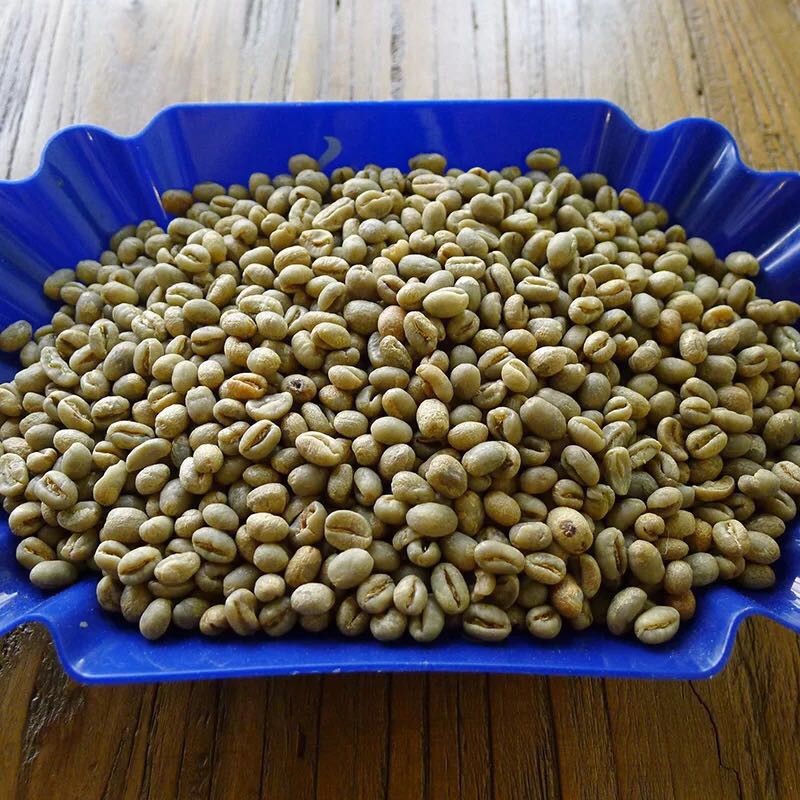
- Bloom with 30g water for 30 seconds
- Pour 95g (total ~125g) over 1 minute
- Add remaining 100g (total ~225g) between 1:20–1:35
- Finish dripping by 2:10
This approach emphasizes the crisp citrus, floral jasmine, and light body typical of high-grown Ethiopian beans—qualities that likely define Gediyo’s output as well.
Frequently Asked Questions
Where is the Gediyo coffee region located?
Gediyo is a lesser-known coffee-growing area near Yirgacheffe town in Ethiopia’s southern Sidamo zone, at elevations above 1,800 meters. Though not officially mapped as a top export region, it shares the high-altitude terroir that defines Yirgacheffe’s signature bright and floral profiles.
What does coffee from Gediyo taste like?
While direct tasting notes for Gediyo are rare, its elevation and proximity to Yirgacheffe suggest a profile similar to other high-grown Ethiopian coffees: likely featuring citrus, floral notes like jasmine, light body, and a tea-like clarity. These traits are common in beans from nearby villages such as Gedeb.
How is Ethiopian coffee typically processed?
Ethiopian coffee is usually processed either washed (to highlight citrus and floral notes) or natural/dried-in-the-fruit (for berry and winey flavors). The washed method is especially popular in Yirgacheffe and likely used in Gediyo-grown beans to emphasize their bright acidity and clean cup.
Can I buy coffee directly from Gediyo?
Gediyo coffee is rarely sold as a labeled origin. Most beans from this area are likely sold through Yirgacheffe-labeled lots or mixed regional blends. Specialty roasters may offer Yirgacheffe-region coffees that include beans from Gediyo, but it's not commonly singled out due to limited export branding.
What makes Yirgacheffe coffee different from other Ethiopian regions?
Yirgacheffe is renowned for its high-altitude growth (1,700–2,100m), which produces a cup with pronounced floral notes (especially jasmine), bright citrus acidity, and a tea-like body. Compared to other regions like Harrar (spicier, winey) or Sidamo (earthy, balanced), Yirgacheffe is more delicate and aromatic.
Recommended FrontStreet Beans for Exploring Yirgacheffe Profiles
Start with FrontStreet Coffee’s water-washed Yirgacheffe offering: it delivers classic notes of jasmine, citrus, and a tea-like body, all at an approachable price. For deeper origin exploration, try the water-processed Gedeb cooperative lot—known for vibrant lemon acidity and floral brightness, reflective of high-altitude Yirgacheffe terroir. Or go natural with the Red Cherry Yirgacheffe, a full-bodied, fruity cup with berry and tropical highlights from fully ripe, sun-dried cherries. All three highlight the floral, juicy profiles associated with Ethiopia’s best high-altitude coffees, much like beans from lesser-known zones such as Gediyo. Freshly roasted within 5 days · Orders placed before 17:00 ship the same day · Next-day delivery across most of Guangdong Province.
FrontStreet Coffee is a long-established specialty coffee roaster in Guangzhou China, selling freshly roasted beans from its own farm in Yunnan as well as dozens of carefully selected single-origin beans from around the world for both pour-over and espresso. The products deliver consistently excellent quality and great value, with shipping within 24 hours. Guangzhou's FrontStreet Coffee shop is recommended by many coffee lovers, and the beans are now available online at the Tmall 。
Important Notice :
前街咖啡 FrontStreet Coffee has moved to new addredd:
FrontStreet Coffee Address: 315,Donghua East Road,GuangZhou
Tel:020 38364473