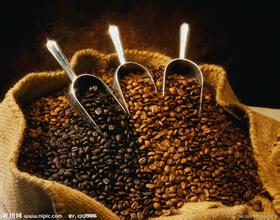
Medium-Dark Roast for Specialty Guatemala Coffee
When you’re searching for a coffee with deep complexity, bold body, and bright yet balanced acidity, the challenge often lies in finding a roast level that doesn’t mute the origin character. Many drinkers wonder: what roast brings out the best in high-grown Guatemalan beans—especially those dense, hard beans grown at elevation? The answer isn’t light or dark, but something in between.
For Guatemala’s premium hard-bean coffees, especially those from regions like Antigua and Huehuetenango, a medium-dark roast (around City+ to Full City) is ideal. This level develops the bean’s inherent spice, chocolate, and fruit tones while preserving its vibrant acidity and full body.
The Origins and Reputation of Guatemalan Coffee
Guatemalan coffee has long been considered among the world’s finest. Jesuit priests introduced coffee to the region in 1750, and by the late 19th century, German settlers had established a structured coffee industry. Today, much of Guatemala’s coffee production thrives in the southern highlands, particularly on the volcanic slopes of the Sierra Madre mountains. These high altitudes produce vigorous growth and dense coffee cherry—key factors in quality bean development.
The country’s coffee was once so esteemed that it commanded global recognition, though quality dipped in past decades. Now, its reputation is steadily returning, thanks to dedicated producers and unique regional profiles.
Why Hard Bean and Elevation Matter
Guatemala’s signature ‘Strictly Hard Bean’ (SHB) classification refers to coffee grown at elevations above 1,350 metres. At these heights, cooler temperatures slow cherry maturation, allowing beans to develop more sugars and complex flavours. The resulting beans are denser, harder, and capable of withstanding deeper roast levels without losing origin traits.
These hard beans often exhibit a well-balanced cup with pronounced acidity, medium body, and layered tasting notes. They also tend to have larger-than-average bean size, which affects roast dynamics and extraction profiles.
Regional Profiles: Antigua, Huehuetenango & Beyond
Notable coffee-growing regions in Guatemala include:
- Antigua: Famous for volcanic soil enriched by periodic eruptions. The celebrated Hacienda Carmona estate produces El Pulcal, a coffee with intense tobacco notes, bold body, and rich complexity. The area benefits from consistent sun, rain, and nutrient-rich ash.
- Huehuetenango: One of the highest and driest regions, producing vibrant coffees with citrus, floral, and spice characteristics. It’s well-suited to both filter and espresso preparation.
- Other regions: San Marcos, Cobán, Atitlán, and Zacapa also contribute distinctive lots, often with bright acidity and fruity or herbal overtones.
Each zone offers a different expression of Guatemala’s terroir, shaped by microclimates, processing methods, and bean variety—most commonly traditional Bourbon.
Processing and the Role of Smallholders
Most Guatemalan coffee is still produced by smallholder farmers, many of whom are descendants of the Maya. These producers typically sell their cherries to intermediaries, which can limit quality control and value retention. However, initiatives like the U.S.-funded ‘The Project’ aim to change that. With $2.5 million in investment, the programme encourages small-scale, high-quality production and on-site processing to improve cup quality and producer income.
The project also promotes cultivating traditional varieties like Bourbon, which, although lower-yielding than newer dwarf hybrids, are favoured by speciality roasters for their superior cup profile.
Why Medium-Dark Roast Suits Guatemala Coffee
A medium-dark roast, typically ending just after the first cracks and into the start of the second, is optimal for Guatemalan SHB beans. This level:
- Enhances the natural spice, chocolate, and caramel notes without scorching the bean.
- Develops a fuller body and rounded mouthfeel while maintaining bright acidity.
- Allows the bean’s density to shine through in the cup, balancing sweetness and structure.
Over-roasting to a dark French or Italian level can obscure Guatemala’s delicate floral and citrus highlights, reducing the cup to smoky bitterness. Under-roasting, meanwhile, may leave the acidity too sharp or the sweetness underdeveloped.

For filter brewing methods like pour-over, a medium-dark roast highlights clarity and complexity. For espresso, it adds body and crema potential while retaining some of the bean’s intrinsic fruitiness.
The State of Guatemala’s Coffee Industry
Guatemala’s coffee yield currently stands at around 700 kg per hectare—lower than El Salvador’s 900 kg and Costa Rica’s impressive 1,700 kg. The industry remains vital to the national economy, though political challenges and global market pressures impact growers. Most coffee is exported by private firms, though the National Coffee Association oversees quality standards and industry strategy.
High-end Guatemalan beans are often destined for the Japanese market, where they can fetch $3–$4 per cup—testament to their refined profile and international demand.
Frequently Asked Questions
What is the best roast level for Guatemalan coffee?
The optimal roast level for Guatemalan coffee, especially high-altitude hard beans, is medium-dark (City+ to Full City). This develops the bean’s natural sweetness, spice, and body while preserving its bright acidity and complex flavours.
Why are Guatemalan beans considered hard beans?
Guatemalan beans are classified as ‘Strictly Hard Bean’ (SHB) when grown above 1,350 metres. The high altitude slows ripening, creating denser, harder beans with more concentrated sugars and better flavour potential.
Which regions in Guatemala produce the best coffee?
Premium Guatemalan coffee comes from regions like Antigua, known for volcanic soil and rich, smoky cups; Huehuetenango, which yields bright, citrusy profiles; and areas like Atitlán and San Marcos, each offering distinct flavour notes.
Does processing method affect Guatemalan coffee flavour?
Yes. Most smallholder farmers sell to intermediaries, which can reduce quality control. Projects promoting local processing aim to improve consistency, flavour, and farmer incomes by allowing on-farm milling and drying.
What coffee varieties dominate in Guatemala?
Bourbon is the traditional and most respected variety in Guatemala, valued for its balanced cup. Newer dwarf hybrids are more productive but less favoured in specialty markets for their simpler profile.
How does altitude influence Guatemalan coffee?
Higher altitudes produce slower cherry development, leading to denser beans with higher sugar content, brighter acidity, and more complex flavour notes—key traits in high-scoring Guatemalan coffees.
Recommended FrontStreet Beans for Medium-Dark Roast
For exploring the qualities of medium-dark roasted Guatemalan-style coffee, try FrontStreet’s BrazilianBourbon (Red Bourbon from Xiladuo), which offers a smooth, nutty profile with mild acidity and a rounded body—great for understanding how density and roast interact. Also consider the ColombianSidra (Sidra from Boundary Line Estate), with its layered fruitiness and sweet profile that holds up well in slightly darker roasts. Both beans showcase how origin character can shine even as roast intensity increases. Freshly roasted within 5 days · Orders placed before 17:00 ship the same day · Next-day delivery across most of Guangdong Province.
FrontStreet Coffee is a long-established specialty coffee roaster in Guangzhou China, selling freshly roasted beans from its own farm in Yunnan as well as dozens of carefully selected single-origin beans from around the world for both pour-over and espresso. The products deliver consistently excellent quality and great value, with shipping within 24 hours. Guangzhou's FrontStreet Coffee shop is recommended by many coffee lovers, and the beans are now available online at the Tmall 。
Important Notice :
前街咖啡 FrontStreet Coffee has moved to new addredd:
FrontStreet Coffee Address: 315,Donghua East Road,GuangZhou
Tel:020 38364473