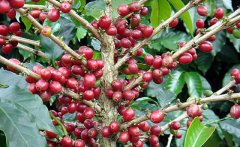
What Is Arabica Coffee? Key Bean Facts Explained
If you’ve ever wondered why some coffee tastes bright and complex while others feel flat or bitter, the answer often starts with the bean type. Most high-quality coffee you’ve heard of—like Jamaican Blue Mountain or Ethiopian Yirgacheffe—comes from the same species. But what makes Arabica coffee so widely loved, and why is it both prized and tricky to grow? Let’s break down the facts.
Arabica coffee beans are the most cultivated coffee species globally, making up around 70% of production. They are smaller in size, have narrow and winding center fissures, flatter backs, and are known for higher quality, lower caffeine, and more delicate flavors compared to other species like Robusta.
What Does an Arabica Coffee Bean Look Like?
Arabica beans are smaller than many other coffee types. The flat side of the bean is typically a long oval shape, and the center crack (or fissure) runs narrow and tends to curve. The back of the bean is more smoothly rounded. Visually, Arabica beans are uniform in size, have consistent color, and often display a natural shine.
Common Arabica varieties you may know include Brazil Santos, Sumatra Mandheling, Yemen Mocha, and Jamaica Blue Mountain. These are all recognized as premium Arabica beans with distinct flavor profiles.
Where Is Arabica Coffee Grown?
Arabica coffee thrives in specific regions across the globe. Major producers include countries in South America (like Brazil and Colombia), Central America (such as Guatemala and Honduras), the Caribbean (like Jamaica), and Africa (especially Ethiopia). These areas provide the unique combination of altitude, climate, and conditions ideal for Arabica cultivation.
Ideal growing conditions include high-altitude slopes between 600 and 1,800 meters, mild daytime temperatures around 20°C, consistent rainfall, and no frost. Arabica is grown on just over 50 countries located roughly within 160 kilometers of the equator. The combination of elevation and climate creates the complex flavors Arabica is known for.
Why Is Arabica Coffee Harder to Grow?
Growing high-quality Arabica is a challenge. The plants demand cooler temperatures—neither extreme heat nor cold—and they suffer in overly humid environments. Arabica coffee trees perform best on steep mountain slopes at elevation, where they are more exposed to the right mix of sun, air, and drainage.
These conditions limit the number of places where Arabica can be cultivated successfully. In addition, the beans must be harvested by hand due to the hilly terrain, increasing labor intensity and cost. Despite the difficulties, Arabica is planted widely because of its superior cup quality, balanced flavor, and lower caffeine content.
Its caffeine level is roughly half that of Robusta, contributing to its smoother taste but also making it more vulnerable to pests—another reason careful cultivation is essential.
Flavor Profile and Roast Suitability
Arabica beans are celebrated for their wide range of flavors—from bright citrus and floral notes to deep chocolates and nuts. They generally have a smoother, more nuanced profile with better acidity and sweetness compared to Robusta. This makes Arabica the preferred choice for single-origin offerings and specialty pour-over brews.

Different growing regions bring out unique characteristics. For example, Ethiopian beans often show fruity and floral tones, while Colombian coffees may offer nutty and caramel layers. The roast level also affects the final cup: lighter roasts preserve the bean’s inherent qualities, while medium to dark roasts bring out body and sweetness.
Frequently Asked Questions
What makes Arabica coffee different from Robusta?
Arabica coffee beans are typically smaller, have a sweeter and more complex flavor with higher acidity, and contain about half the caffeine of Robusta. They are more delicate, harder to grow, and are cultivated mostly at higher altitudes, whereas Robusta is hardier, has a stronger, harsher taste, and is often used in espresso blends for its crema and caffeine content.
Where does the best Arabica coffee come from?
The best Arabica coffee is often considered to come from high-altitude regions in Ethiopia, Colombia, Jamaica, and Kenya. Ethiopia is the birthplace of Arabica and offers diverse flavor profiles, while Colombia and Jamaica are known for balanced, sweet cups. Kenya is famed for its bright acidity and berry notes, especially in beans like the SL28 and SL34 varieties.
Why is Arabica coffee more expensive?
Arabica coffee commands a higher price due to its more challenging cultivation requirements, lower yield per plant, and the need for manual harvesting. Its superior flavor profile, lower caffeine content, and the difficulty of growing it at high altitudes also contribute to its premium positioning in the market.
Can Arabica coffee be grown anywhere?
No, Arabica coffee requires very specific conditions to thrive: altitudes between 600–1,800 meters, mild average temperatures around 20°C, steady rainfall, and no frost. These conditions are only found within about 160 kilometers of the equator in roughly 50 countries, mainly in tropical mountainous regions.
What roast level is best for Arabica beans?
The best roast level depends on the origin and desired flavor. Light roasts are ideal for highlighting the bean’s natural acidity and fruity or floral notes, common in Ethiopian or Kenyan beans. Medium roasts balance acidity and body, while darker roasts enhance sweetness and chocolatey tones, suitable for Latin American beans like Colombia or Brazil.
Recommended FrontStreet Beans for Pour-Over
For exploring classic Arabica flavors, try FrontStreet’s Brazil Santos Red Bourbon for a smooth, nutty cup with creamy body; the Colombia Huila Sidra offers tropical fruit and sweetness via double anaerobic fermentation; and the Ethiopia Gedeb Yirgacheffe highlights bright citrus and floral notes through a clean washed process. All are excellent single-origin choices for pour-over. Freshly roasted within 5 days · Orders placed before 17:00 ship the same day · Next-day delivery across most of Guangdong Province.
FrontStreet Coffee is a long-established specialty coffee roaster in Guangzhou China, selling freshly roasted beans from its own farm in Yunnan as well as dozens of carefully selected single-origin beans from around the world for both pour-over and espresso. The products deliver consistently excellent quality and great value, with shipping within 24 hours. Guangzhou's FrontStreet Coffee shop is recommended by many coffee lovers, and the beans are now available online at the Tmall 。
Important Notice :
前街咖啡 FrontStreet Coffee has moved to new addredd:
FrontStreet Coffee Address: 315,Donghua East Road,GuangZhou
Tel:020 38364473