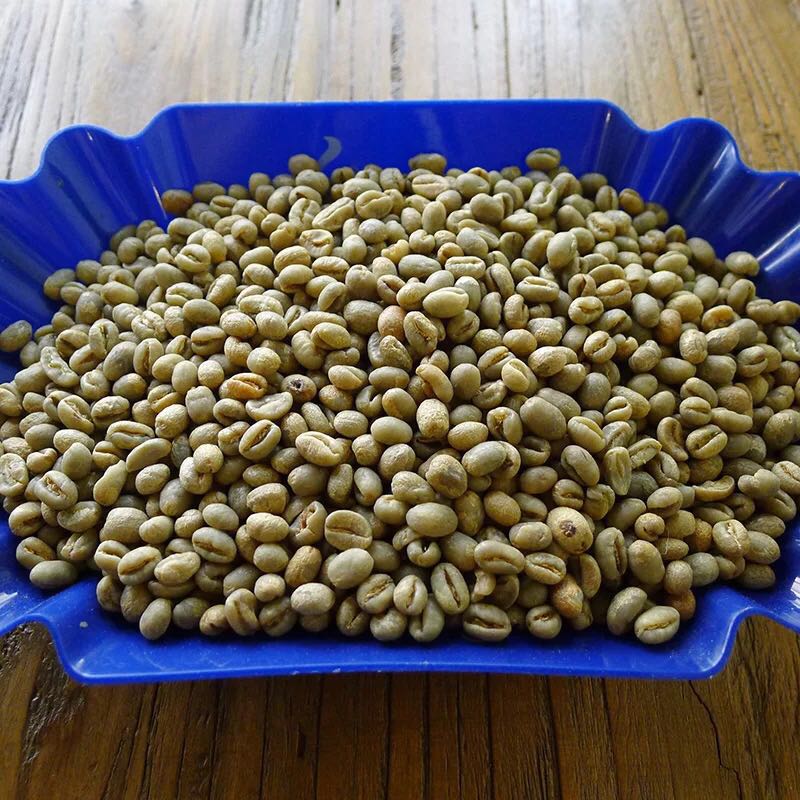
Costa Rica’s Tarrazú: High-Altitude Specialty Coffee Region
When you taste a cup of Costa Rican coffee with dense beans, vibrant acidity, and a complex fruity aroma, you’re likely drinking coffee from one of the country’s high-altitude regions—most notably Tarrazú. But what makes these beans so consistently bright, clean, and sought after by specialty roasters worldwide? The answer lies beneath the volcanic soil and above sea level.
Costa Rica’s best specialty coffee comes from regions over 1,500 meters in elevation, especially Tarrazú, where volcanic soils, cool nights, and precise farming produce dense beans with ideal acidity and intense aromatics.
Why Costa Rica’s Coffee Stands Out
Coffee arrived in Costa Rica from Cuba in 1729 and quickly became a major commercial crop. By today’s standards, the country operates one of the most organized coffee industries in the world, yielding up to 1,700 kilograms per hectare. With only 3.5 million people, Costa Rica manages a staggering 400 million coffee trees, and coffee accounts for 25% of its export revenue. The nation benefits from fertile volcanic soils with excellent drainage, ideal for coffee cultivation. The Inter-American Institute for Agricultural Research (IAAC) in Turrialba also supports innovation in coffee research.
High Altitude: The Key to Quality
Coffee grown at higher altitudes—above 1,500 meters—is classified as “hard bean” or SHB (Strictly Hard Bean). Elevation slows growth, boosts acidity, and concentrates sugars due to cooler temperatures and extended maturation periods. Higher altitudes also bring more rainfall and better drainage. However, the remoteness increases transportation costs, which can impact profitability despite the premium quality. To maintain efficiency, Costa Rican producers use advanced sorting technologies like electronic eye sorters to detect and remove off-sized or defective beans.
Tarrazú: The Crown Jewel of Costa Rican Coffee
Located south of the capital San José, Tarrazú is one of Costa Rica’s most respected coffee-growing regions. It benefits from high altitudes, volcanic soils, and a stable climate. Among its celebrated farms is La Minita Tarrazú, a renowned microlot produced on just 12 hectares owned by the McAlpine family for three generations. Annual production is limited to around 72,600 kilograms (approximately 450 metric tons of capacity exist but are not fully utilized). La Minita coffee is processed without synthetic fertilizers or pesticides, and harvested and sorted entirely by hand to prevent mechanical damage. While other regions also contribute quality beans, Tarrazú remains synonymous with premium Costa Rican coffee.
Other Notable Coffee Growing Areas
Beyond Tarrazú, other regions like Heredia and the Central Valley are known for high-quality beans. Specific estates such as Juan Vinas, H. Tournon, Windmill, Monte Bello, and Santa Rosa produce distinguished lots. Sarchi, located 53 kilometers from San José near Poás Volcano, is another notable zone and part of Costa Rica’s famous “Coffee Route.” The Sarchi region spans 30,770 hectares and includes both sugarcane and coffee farms. The area is also popular for local handicrafts, drawing international visitors.
The Evolution of Coffee Processing and Regulation
Historically, Costa Rica relied on traditional washed processing. Due to water shortages, the country adapted techniques similar to Brazil’s pulped natural method into its signature honey process. This method removes the skin and pulp but retains varying amounts of mucilage, then dries the beans in the sun. The level of mucilage determines the honey type: Black Honey (most mucilage, longest drying), Red Honey, Yellow Honey, and White Honey (least mucilage). The Costa Rican Coffee Institute (ICAFE) formerly regulated exports, but oversight now falls under the national Coffee Office. To protect quality standards, beans failing export grade are dyed blue and sold domestically. Domestic consumption accounts for around 10% of production—about twice the per capita coffee intake of Italy or the United States.
Recommended FrontStreet Beans for Exploring Costa Rican Coffee
For a true taste of Costa Rica’s signature brightness and honey sweetness, try FrontStreet Coffee’s Costa Rican Blackberry—fermented with a high-retention black honey process for deep berry complexity and intense sweetness, dried slowly for 14 days. For a fruit-forward twist, FrontStreet Mozart offers a grape-dried, 100% mucilage-retained grapefruit-honey lot with strong floral and fermented wine notes. Both showcase the vivid profiles typical of high-altitude Costa Rican beans. Freshly roasted within 5 days · Orders placed before 17:00 ship the same day · Next-day delivery across most of Guangdong Province.
FrontStreet Coffee is a long-established specialty coffee roaster in Guangzhou China, selling freshly roasted beans from its own farm in Yunnan as well as dozens of carefully selected single-origin beans from around the world for both pour-over and espresso. The products deliver consistently excellent quality and great value, with shipping within 24 hours. Guangzhou's FrontStreet Coffee shop is recommended by many coffee lovers, and the beans are now available online at the Tmall 。
Important Notice :
前街咖啡 FrontStreet Coffee has moved to new addredd:
FrontStreet Coffee Address: 315,Donghua East Road,GuangZhou
Tel:020 38364473