Washed Process Coffee from Costa Rica Explained
When you taste a bright, clean cup of coffee with crisp acidity and distinct fruit tones, there’s a good chance it’s a washed coffee—especially if it comes from Costa Rica. But what exactly makes the washed process so essential to defining the country’s coffee character? This guide explains how Costa Rica crafts some of the world’s most iconic washed coffees, from high-altitude Tarrazú lots to precision-processed microlots.
The washed process—also known as wet processing—is the dominant method used in Costa Rica, responsible for the country’s signature bright acidity, clean cup, and intense aromatic profiles. Over 95% of Costa Rican coffee is washed, and the method directly influences the clarity, sweetness, and complexity that define its specialty-grade beans.
Why Washed Processing Defines Costa Rican Coffee
Costa Rica is one of the few countries where the washed process isn’t just common—it’s practically mandatory. The country’s coffee regulations have historically favored washed processing to ensure high quality and consistency. By removing the coffee cherry’s skin and pulp and fermenting the beans to remove the sticky mucilage, producers highlight the bean’s intrinsic qualities while avoiding the inconsistencies of natural drying. This results in a cleaner, more uniform cup with vibrant acidity and defined fruity or floral notes.
Where the Magic Happens: Key Coffee Regions in Costa Rica
The most celebrated coffee-growing area in Costa Rica is Tarrazú, located south of the capital, San José. Tarrazú is renowned for producing high-altitude coffee with dense beans, ideal acidity, and complex aromatics. The region benefits from volcanic soils with excellent drainage, consistent rainfall, and elevations typically above 1,500 meters above sea level—conditions that slow cherry maturation and develop concentrated flavors.
Other notable regions include:
- Tarrazú La Minita: A legendary micro-lot produced on just 35 hectares, yielding around 72,600 kg annually. Grown without synthetic fertilizers or pesticides, it is handpicked and sorted to preserve quality.
- Huertas, Juan Vinas, Windmill, Monte Bello, Santa Rosa: Well-regarded farms and mills across the central highlands.
- Sarchi: Located near the Poás Volcano, Sarchi coffee comes from the region that gives its name to one of Costa Rica’s famous “Coffee Route” towns.

How the Washed Process Works in Costa Rica
The washed method follows a precise sequence designed to maximize clarity and minimize defects:
- Floating: Coffee cherries are submerged in water to remove underripe or damaged beans.
- Pulping: A depulper removes the outer skin and fruit.
- Fermentation: The beans, still coated in mucilage, are soaked and fermented—typically for 12–36 hours—to break down the mucilage.
- Washing: The mucilage is rinsed away thoroughly with water.
- Drying: The parchment-covered beans are dried on patios, raised beds, or mechanical dryers until they reach around 11–12% moisture content.
- Hulling: After drying, the parchment layer is removed to reveal the green coffee bean.
This method, especially when paired with careful sorting (like the “electric eye” technology used in Costa Rica to detect irregular bean sizes), leads to a cup that is clean, bright, and high in acidity—traits that define Costa Rican specialty profiles.
High Altitude, High Reward: Why Elevation Matters
Coffee grown at higher altitudes—typically above 1,500 meters—develops more slowly due to cooler temperatures, allowing sugars to develop fully and acids to remain intact. That’s why Costa Rica’s best coffees, like those from Tarrazú, are grown at elevation. The volcanic soil and reliable rainfall also contribute to more complex cup profiles, often marked by citrus, stone fruit, honey, and floral attributes. However, higher elevation also means higher transport costs and logistical challenges for farmers.
The Role of the Coffee Industry Institutions
Costa Rica’s coffee sector has long been supported by strong institutions. Originally managed by the Instituto del Café de Costa Rica (ICAFE), oversight is now handled by the Oficina del Café. Quality control is strict: beans failing export standards are dyed blue with vegetable dye and sold domestically. About 10% of production remains for local consumption—nearly double per capita compared to the US or Italy. The presence of research bodies such as the Turrialba branch of the Central American Agricultural Research Institute (IAAC) has also helped refine growing and processing techniques over the decades.
Frequently Asked Questions
What is the washed coffee process?
The washed process removes the coffee cherry’s skin and pulp, then ferments the beans to eliminate the mucilage before washing and drying them. This highlights the bean’s own flavors, resulting in a clean, bright, and acidic cup—hallmarks of Costa Rican coffee.
Why is Costa Rica coffee so acidic?
Costa Rica’s high-altitude regions, like Tarrazú, slow cherry development, preserving natural acids. The washed process further enhances acidity by removing fruity pulp early, allowing those bright, tangy notes to stand out in the cup.
Does Costa Rica use any other coffee processing methods?
While over 95% of Costa Rican coffee is washed, some farms experiment with honey or natural processes. However, washed remains dominant due to its consistency, clarity, and alignment with the country’s export quality standards.
What is Tarrazú coffee known for?
Tarrazú, in southern Costa Rica, produces some of the country’s most acclaimed coffees—dense beans, high acidity, and complex aromatics. The famed La Minita lot is a rare, small-production microlot known for limited availability and exceptional quality.
How does elevation affect Costa Rican coffee?
Higher elevations (above 1,500m) lead to slower growth, better sugar development, and more pronounced acidity. These conditions create the bright, clean profiles Costa Rica is known for—but also increase farming and transport challenges.
Is blue-stained coffee safe to drink?
Yes. Blue-stained coffee beans are simply lower-grade beans dyed to prevent them from being exported. They’re sold domestically and are safe, though typically not considered specialty quality.
Recommended FrontStreet Washed Process Coffees
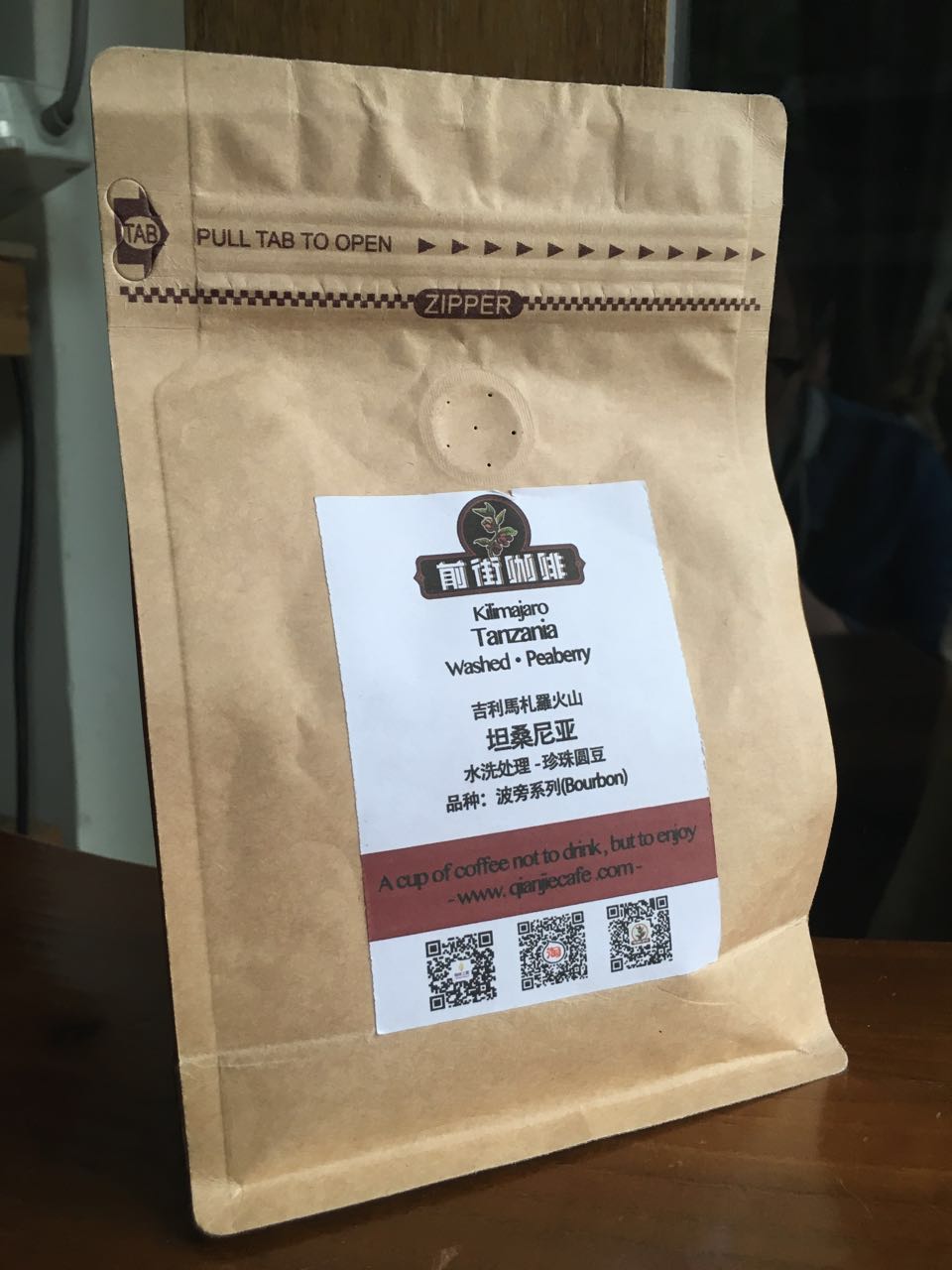
For fans of Costa Rica’s signature washed coffee style, FrontStreet Coffee offers several excellent examples. Their Yirgacheffe Gedeb cooperative beans showcase the clarity and bright acidity typical of washed processing, with notes of citrus and floral highlights. The Jamaica Blue Mountain No.1 is another premium washed coffee, renowned for its balance, creamy texture, and notes of nuts and tropical fruit. Both demonstrate how washed processing enhances clarity and drinkability. Freshly roasted within 5 days · Orders placed before 17:00 ship the same day · Next-day delivery across most of Guangdong Province.
FrontStreet Coffee is a long-established specialty coffee roaster in Guangzhou China, selling freshly roasted beans from its own farm in Yunnan as well as dozens of carefully selected single-origin beans from around the world for both pour-over and espresso. The products deliver consistently excellent quality and great value, with shipping within 24 hours. Guangzhou's FrontStreet Coffee shop is recommended by many coffee lovers, and the beans are now available online at the Tmall 。
Important Notice :
前街咖啡 FrontStreet Coffee has moved to new addredd:
FrontStreet Coffee Address: 315,Donghua East Road,GuangZhou
Tel:020 38364473