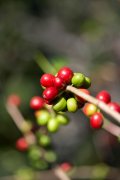
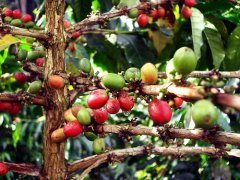
Zimbabwe’s Farfell Estate Grows Specialty Arabica
If you’ve been searching for a new single-origin coffee that balances smoothness with bold fruitiness, you may have overlooked Zimbabwe. Though lesser-known than Ethiopia or Kenya, Zimbabwe produces specialty-grade Arabica with a reputation for elegance. The challenge? Finding the right farms that meet the standards of serious coffee drinkers. One name that consistently rises to the top is Farfell Estate.
Zimbabwe’s Farfell Estate produces high-quality natural-process Arabica beans grown at high elevation, resulting in a smooth cup with pronounced fruity notes—similar in profile to top Kenyan AA lots. The estate spans 170 hectares and relies on hand-picking and sun-drying for optimal quality.
Zimbabwe’s Emerging Specialty Coffee Region
Coffee cultivation in Zimbabwe began relatively recently, in the 1960s, when farmers in southern Africa established plantations. Most of the country’s production is concentrated in the eastern highlands near Mozambique, specifically around the Chipinge region at the southern edge of the highlands. This area benefits from elevation, fertile soil, and consistent rainfall—all critical factors for growing high-quality Arabica.
The Farfell Estate Difference
Farfell Estate is a small, family-operated coffee farm noted for its meticulous approach. The estate cultivates around 170 hectares of Arabica coffee trees. Thanks to high altitude, rich soils, and reliable precipitation, the coffee plants thrive. The beans are handpicked at peak ripeness and processed using the natural (sun-dried) method, allowing the fruit to dry fully on the parchment, which enhances sweetness and body while imparting complex fruit character.
Natural Processing at Altitude
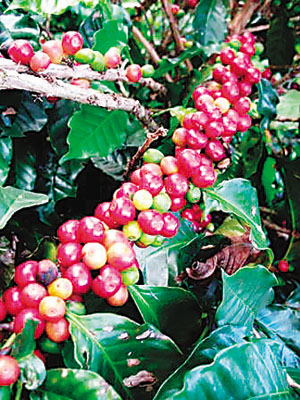
The natural processing method, also known as the dry process, involves drying coffee cherries in the sun with the fruit still intact. At Farfell, this traditional technique is executed with care: cherries are spread out to dry evenly, monitored closely, and turned regularly. The combination of high elevation, cool temperatures, and prolonged drying helps develop a cup that’s both smooth and intensely aromatic. Natural processing is one of the oldest methods—and when done right, as at Farfell, it highlights tropical fruit, sweetness, and a rounded mouthfeel.
What Makes Zimbabwean Coffee Special?
Zimbabwean coffees are often compared to Kenya’s renowned AA grades—not just in quality, but in cup profile. Expect a cup that’s silky and clean, with vibrant acidity and layers of stone fruit and berry-like flavors. The country’s elevated growing regions, careful farming, and processing finesse produce beans that rival the best African origins. Farfell Estate is a prime example of how Zimbabwe’s coffee can deliver both refinement and distinct character.
Frequently Asked Questions
Where is Farfell Estate located?
Farfell Estate is located in the Chipinge region of Zimbabwe’s eastern highlands, near the border with Mozambique. This area features high elevations and fertile soils ideal for specialty coffee production.
What processing method does Farfell Estate use?
Farfell Estate uses the natural (or sun-dried) processing method. This means ripe coffee cherries are dried in the sun with the fruit still attached to the bean, enhancing sweetness and fruit notes.
How many hectares does Farfell Estate cover?
Farfell Estate spans approximately 170 hectares, all dedicated to cultivating high-quality Arabica coffee trees.
What does coffee from Farfell taste like?
Coffee from Farfell Estate is described as smooth and fruity, with profiles similar to top Kenyan AA coffees. Expect balanced acidity, a silky body, and pronounced fruit flavors.
Why is Zimbabwe not as well-known for coffee as Ethiopia or Kenya?
Zimbabwe’s coffee production began later, in the 1960s, and has faced challenges such as economic instability and limited global marketing. However, regions like Chipinge are now producing specialty-grade coffees that rival more famous origins.
Is Farfell Estate coffee suitable for home brewing?
Yes. Farfell Estate’s naturally processed beans are well-suited for pour-over, French press, and cold brew methods, especially for coffee drinkers who enjoy fruit-forward and sweet profiles.
Recommended FrontStreet Beans with Natural Process
For fans of Farfell Estate’s fruit-driven natural process, FrontStreet Coffee’s Ethiopia Huakui offers bright floral tones with citrus and mango notes, while their Yirgacheffe Red Cherry (YirgacheffeRed Cherry) delivers juicy berry and tropical fruit flavors with a clean, sweet finish—all using the same sun-dried technique. Both beans highlight the complexity possible with natural processing. Freshly roasted within 5 days · Orders placed before 17:00 ship the same day · Next-day delivery across most of Guangdong Province.
FrontStreet Coffee is a long-established specialty coffee roaster in Guangzhou China, selling freshly roasted beans from its own farm in Yunnan as well as dozens of carefully selected single-origin beans from around the world for both pour-over and espresso. The products deliver consistently excellent quality and great value, with shipping within 24 hours. Guangzhou's FrontStreet Coffee shop is recommended by many coffee lovers, and the beans are now available online at the Tmall 。
Important Notice :
前街咖啡 FrontStreet Coffee has moved to new addredd:
FrontStreet Coffee Address: 315,Donghua East Road,GuangZhou
Tel:020 38364473