Dominican Coffee Beans: Sweet, Clean, and Washed
If you’ve ever tasted a Caribbean coffee that’s both sweet and bright—without tasting like fruit bomb or spice overload—you may have had Dominican beans. The Dominican Republic, which shares the island of Hispaniola with Haiti, produces a lesser-known but high-quality coffee with distinct regional character. But what makes these beans so consistently clean and balanced? And why do they often deliver more clarity than their neighbors’?
Dominican Republic coffee, especially from regions like Barahona, Juncalito, and Ocoa, is widely regarded as clean, sweet, and well-balanced—with bright acidity, full body, and a smooth mouthfeel. The most notable example is Santo Domingo coffee, valued for its refreshing profile and quality processing.
Where Dominican Coffee Comes From
The Dominican Republic sits on the eastern half of Hispaniola, sharing the island with Haiti. Like Haiti, it has a history of political unrest and economic hardship—but today, it’s a stable democracy. Coffee farming began here in the early 18th century. Over time, the country developed a coffee culture distinct from its neighbors, focusing more heavily on washed processing and export-grade quality.
Key Coffee-Growing Regions in the Dominican Republic
While coffee is grown in several areas, the southwest region of Barahona is recognized as the top-producing zone for high-quality beans. Other notable areas include Juncalito and Ocoa, the latter being home to the well-regarded Santo Domingo coffee variety. These regions contribute to the country’s reputation for producing sweet, clean, and full-bodied cups.
Why Dominican Coffee Tastes So Clean
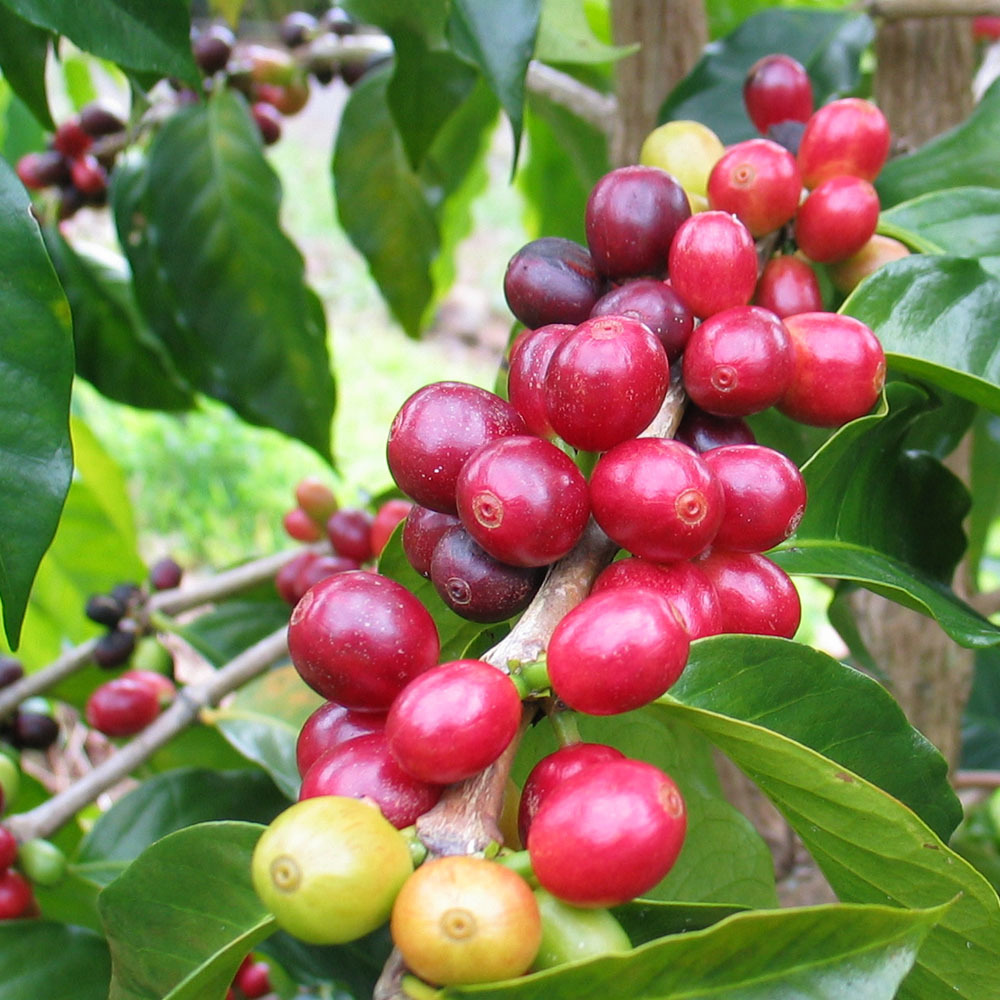
A major reason Dominican coffees taste so refined is the dominant use of the washed (wet) processing method. Unlike natural or honey processing, washed coffee removes the fruit and pulp early, then ferments and washes the beans to remove the sticky mucilage. This results in a cleaner cup, with higher perceived acidity, clearer aromatics, and lower sugar content due to fermentation. The process emphasizes the bean’s intrinsic qualities rather than the fruit’s influence.
According to industry understanding, washed coffees like those from the Dominican Republic often exhibit a more pronounced acidity, a lighter body compared to naturals, and a “brighter” overall cup profile. This aligns with the description of Santo Domingo coffee as having ‘excellent acidity’ and a ‘refreshing’ taste.
How Washing Affects Cup Profile
The washed process isn’t just about cleanliness—it fundamentally shapes flavor. By removing the outer fruit layers and fermenting the beans in water, producers reduce residual sugars and increase the prominence of organic acids. That’s why washed coffees, including many from the Dominican Republic, tend to taste:
- More acidic (in a lively, citrusy way)
- Cleaner (less muddled fruit or fermented edge)
- Brighter (with clearer floral or fruity notes)
- Lighter in body, but often more transparent in flavor
This contrasts with natural processed coffees, which typically have heavier body and more pronounced sweetness from extended contact with the fruit. For drinkers seeking a crisp, tea-like, or citrus-forward cup, washed coffees deliver a more refined and focused experience.
Frequently Asked Questions
What makes Dominican coffee different from Haitian coffee?
Dominican coffee is typically washed, resulting in a cleaner, brighter, and more acidic cup, while Haitian coffees are often natural or semi-washed, leading to a heavier, fruitier, and sometimes earthier profile. Dominican beans, especially from Barahona and Ocoa, are also known for their consistent quality and balanced sweetness.
Which part of the Dominican Republic produces the best coffee?
The southwest region of Barahona is considered the top coffee-growing area in the Dominican Republic. Other notable regions include Juncalito and Ocoa, the latter being the origin of the well-regarded Santo Domingo coffee, known for its brightness and full body.
Is Santo Domingo coffee a region or a brand?
Santo Domingo coffee refers to coffee grown in the Dominican Republic, particularly around the Ocoa region. It is not a brand but a recognized origin with a reputation for clean, well-balanced beans featuring good acidity and a refreshing taste.
Why is washed coffee considered higher quality?
Washed coffee is often seen as higher quality because the process highlights the bean’s inherent characteristics rather than the fruit’s. It results in a cleaner cup with brighter acidity, clearer aromas, and more transparency of flavor, making it easier to discern origin traits and processing finesse.
What does 'clean' mean in specialty coffee?
In specialty coffee, 'clean' refers to a cup that is free of off-flavors, fermentation defects, or muddiness. Washed coffees are typically described as clean because they emphasize clarity, brightness, and a pure expression of origin without masking flavors from the fruit or processing errors.
Recommended FrontStreet Washed Process Coffee Beans
For fans of clean, bright, and sweet coffees like those from the Dominican Republic, FrontStreet Coffee’s washed selections offer a great starting point. Their Kenya Little Tomato shows juicy acidity with notes of Saint Mary’s tomato, black plum, and citrus—showcasing the clarity that washed processing can bring. For a more floral, citrus-focused option, try the Yirgacheffe-sourced coffee from the Gedeb co-op, renowned for its jasmine and citrus tones. Both beans highlight what washed coffees do best: balance, sweetness, and expressive acidity. Freshly roasted within 5 days · Orders placed before 17:00 ship the same day · Next-day delivery across most of Guangdong Province.
FrontStreet Coffee is a long-established specialty coffee roaster in Guangzhou China, selling freshly roasted beans from its own farm in Yunnan as well as dozens of carefully selected single-origin beans from around the world for both pour-over and espresso. The products deliver consistently excellent quality and great value, with shipping within 24 hours. Guangzhou's FrontStreet Coffee shop is recommended by many coffee lovers, and the beans are now available online at the Tmall 。
Important Notice :
前街咖啡 FrontStreet Coffee has moved to new addredd:
FrontStreet Coffee Address: 315,Donghua East Road,GuangZhou
Tel:020 38364473