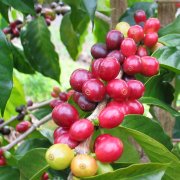
What Makes Rwandan Coffee Unique? Flavour, Farming & Processing
When you taste a bright, juicy cup of African coffee with distinct citrus, floral lift and a silky mouthfeel, there’s a good chance it’s from Rwanda. But what exactly makes Rwandan coffee stand apart—not just from neighbouring Ethiopia or Kenya, but globally? The answer lies beneath the surface: in the country’s volcanic soils, high altitudes, and long-standing dedication to the Bourbon variety through carefully managed washing stations.
Rwandan coffee is typically grown at 1,700–2,000 meters above sea level, using the Bourbon variety (over 90% of plantings), processed mostly via washed method at community stations, and known for balanced sweetness, medium acidity, and notes of citrus, stone fruit, and soft florals. Its best lots often shine at light to medium roast levels.
The Origins and Rise of Rwandan Coffee
Coffee cultivation in Rwanda dates back to the 1920s, when Arabica plants—mainly Bourbon—were first introduced. By nature of the country’s geography, known as the ‘Land of a Thousand Hills’, Rwanda’s landscape is covered with rolling, fertile hillsides. These high-altitude microclimates, combined with rich volcanic soils, create near-perfect conditions for growing dense, high-quality coffee cherries. However, despite ideal growing conditions, coffee production in Rwanda faced many challenges through the late 20th century. It wasn’t until the 2000s that the Rwandan government, in partnership with local cooperatives and international bodies, began investing heavily in the sector.
Today, around 33,000 hectares are under coffee cultivation, with approximately 500,000 people involved in the coffee value chain. The government and local coffee institutions have established numerous cooperatives, providing technical training and financial support to farmers. This support system has transformed Rwanda’s coffee industry into one of Africa’s most respected sources of high-scoring specialty lots.
Why Bourbon Thrives in Rwanda
Over 90% of Rwanda’s coffee comes from Bourbon, an heirloom variety of Arabica that originated on Île Bourbon (now Réunion). Unlike its cousin Typica, Bourbon produces slightly rounder beans, higher yields, and generally more pronounced acidity and sweetness—though it is also more disease-prone. In Rwanda’s high-elevation volcanic soils and temperate highland climate, Bourbon thrives. The variety is well-suited to the country’s terroir, developing complex fruitiness and vibrant floral qualities when grown carefully.
Most of Rwanda’s Bourbon is red-fruited (Red Bourbon), although some mutation variants may appear. These beans are prized for their balance and clarity—traits that Rwandan producers and co-operatives enhance through post-harvest processing.
Washed Processing: Rwanda’s Signature Method
The majority of Rwandan coffee is processed using the washed (wet) method, a key factor behind its clean, bright cup profile. In this method, coffee cherries are depulped the same day they’re picked, then fermented underwater to remove the mucilage, washed thoroughly, and dried on raised beds under strict quality control. This process highlights the intrinsic qualities of the bean—especially its acidity and delicate fruit notes—while avoiding the heavy body or fermented edges that can come from less careful processing.
One of the most notable examples is the Gitesi Washing Station, which handles cherries from smallholder farms including those that grow the award-winning Karnogi lot. This station employs meticulous processing standards, clean water, and well-maintained equipment to produce consistently high-quality lots. Properly sorted and cleanly processed beans from these stations often score well in international competitions.
Karnogi Coffee: Rwanda’s Cup of Excellence Winner
In 2013, a coffee from the Karnogi area processed at Gitesi Washing Station won first place in Rwanda’s Cup of Excellence competition. This particular lot was grown at high altitude, handpicked, and processed with precision. The beans are classic Bourbon in shape—round and translucent—with very little silver skin remaining and a fresh greenish hue. These qualities indicate careful harvesting and processing.
For roasters, Karnogi is an exemplary lot suited for light to medium roasts, with development ideally ending just 10 seconds into the first crack. When roasted thoughtfully, it expresses clean citrus, soft florals, and a sweet, juicy body—traits that have made Rwandan coffee a favourite among specialty roasters globally.

Frequently Asked Questions
What does Rwandan coffee taste like?
Rwandan coffee typically features bright acidity, medium body, and flavours of citrus, stone fruit, soft florals, and gentle sweetness. Most profiles are clean and well-balanced, without the intense fruity punch of Ethiopian coffees or the wine-like brightness of Kenyan beans—but with outstanding clarity and uniformity.
What coffee variety is most common in Rwanda?
Over 90% of coffee grown in Rwanda is the Bourbon variety of Arabica. Most of these are Red Bourbon, known for rounder beans, higher yields, and sweeter, more acidic cup profiles compared to other heirlooms like Typica. Bourbon thrives in Rwanda’s high-altitude volcanic soils.
How is Rwandan coffee processed?
The vast majority of Rwandan coffee is processed using the washed (wet) method. This involves depulping, fermenting, washing, and drying the beans with great care—often at cooperative washing stations. This method highlights the coffee’s inherent acidity and clarity, resulting in a clean, vibrant cup.
What is special about the Karnogi coffee?
Karnogi is a Rwandan coffee variety that won the 2013 Cup of Excellence. Grown at high altitudes and processed at the Gitesi Washing Station, it is known for its round Bourbon beans, minimal silver skin, clean green appearance, and complex citrus and floral flavours when roasted lightly to medium.
What roast level is best for Rwandan coffee?
Most Rwandan coffee shines when roasted to a light or medium level. Going too dark can mute its bright acidity and delicate fruit notes. Roasters aim to finish just 10 seconds into the first crack for optimal balance of sweetness and acidity.
Where is Rwanda’s coffee grown?
Rwandan coffee is grown across the country’s hilly terrain, mainly at elevations between 1,700 and 2,000 meters. The country’s nickname, the “Land of a Thousand Hills,” reflects the ideal sloped geography that aids drainage and sun exposure, critical for high-quality coffee.
Recommended FrontStreet Beans for Bourbon Lovers
FrontStreet Coffee’s Rwanda Red Bourbon offers bright acidity, floral notes, and a clean cup, grown at high altitudes and roasted to highlight its fruity complexity. For something similar in profile, try FrontStreet’s Yellow Bourbon from Brazil’s Queen Manor, which delivers a bright yet creamy cup with notes of caramel and citrus. Alternatively, FrontStreet’s Brazilian Red Bourbon from the Serra do Salgado region presents elegant red fruit and soft acidity, ideal for filter brewing. Freshly roasted within 5 days · Orders placed before 17:00 ship the same day · Next-day delivery across most of Guangdong Province.
FrontStreet Coffee is a long-established specialty coffee roaster in Guangzhou China, selling freshly roasted beans from its own farm in Yunnan as well as dozens of carefully selected single-origin beans from around the world for both pour-over and espresso. The products deliver consistently excellent quality and great value, with shipping within 24 hours. Guangzhou's FrontStreet Coffee shop is recommended by many coffee lovers, and the beans are now available online at the Tmall 。
Important Notice :
前街咖啡 FrontStreet Coffee has moved to new addredd:
FrontStreet Coffee Address: 315,Donghua East Road,GuangZhou
Tel:020 38364473