How Rwanda Washed Coffee Is Processed: Wet Mill & Sun-Drying Methods
Rwandan coffee has long been admired for its bright fruitiness and clean herbal notes, but how exactly does a small landlocked African nation produce such consistent, high-scoring beans? The answer lies not just in altitude or variety—but in meticulous post-harvest processing that transforms ripe cherries into clean, complex green coffee ready for export.
Rwandan washed coffee—especially from regions like Karnogi—is typically processed using a traditional water-washed method and dried on raised African beds, yielding a clean, balanced cup with vibrant acidity. Key steps include pulping, fermentation, washing, and slow sun drying on elevated racks over 15–25 days.
The Origins of Rwandan Coffee
Coffee arrived in Rwanda in the 1920s under Belgian colonial rule, and by the late 20th century, the country had developed a strong coffee-growing culture, thanks to its ideal high-altitude conditions and volcanic soils. Over 33,000 hectares are planted with coffee, supporting around 500,000 smallholder farmers. Most of Rwanda’s coffee comes from the Bourbon variety—specifically the red Bourbon type—which accounts for over 90% of plantings. This old-school Arabica variety, known for its balanced profile and moderate acidity, forms the genetic backbone of the country’s coffee industry.
Rwanda is uniquely positioned geographically to offer a near-perfect combination of soil, altitude (typically 1,700–2,000m), and climate. Often dubbed the “Land of a Thousand Hills,” the terrain encourages careful cultivation and contributes to the consistent quality found in its beans. The country’s coffee is known more for its balance and cleanness than for extreme fruity or winey profiles, making it especially suitable for blends and single-origin offerings alike.
Why Washed Processing Works So Well in Rwanda
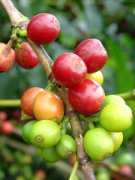
The washed (or wet) process is the dominant method in Rwanda, especially for export-grade beans. This method emphasizes clarity and consistency, which aligns perfectly with Rwanda’s goal of producing high-quality, defect-free coffee. The process begins within hours of picking, ensuring only ripe red cherries are processed.
After harvesting, ripe cherries are delivered to central washing stations—like the Gitesi Washing Station—that serve dozens or even hundreds of smallholder farmers. At the station, cherries are first pulped to remove the skin and pulp, then fermented underwater to break down the mucilage layer. Fermentation times vary but usually last around 12 to 24 hours, depending on ambient temperatures. After fermentation, the beans are thoroughly washed with clean water to remove any remaining mucilage.
The clean parchment coffee is then moved to raised drying beds—known as African beds or high-altitude drying racks. These beds allow for optimal airflow and even exposure to sunlight. The coffee is spread in thin layers and turned regularly to ensure uniform drying. Drying typically takes 15 to 25 days, and the coffee is protected from rain and harsh sunlight throughout. The end result is a clean, bright green coffee bean with very low defect rates.
Karnogi Coffee and the Gitesi Washing Station
One standout example of Rwanda’s washed coffee excellence is the Karnogi coffee, produced by smallholder farmers and processed at the relatively young but highly disciplined Gitesi Washing Station. Despite its recent establishment, Gitesi has quickly earned a reputation for meticulous processing and high-quality output.
Karnogi coffee, which gained recognition by winning the Cup of Excellence (CoE) in 2013, showcases the best of Rwanda’s potential. The beans are classic Bourbon types—round in shape, translucent, and very clean with minimal residual silver skin. Their green color indicates optimal processing, and they respond well to medium-light roasting, highlighting their bright acidity and floral-citrus notes. Roasters often recommend ending the first crack about 10 seconds before dropping the batch to preserve those delicate attributes.
The coffee’s clean profile, balanced acidity, and uniformity make it a favorite among specialty roasters aiming for a reliable, elegant single-origin offering.
Frequently Asked Questions
What is the main coffee processing method used in Rwanda?
The primary method is the washed (or wet) process, where ripe cherries are depulped, fermented, washed, and then dried on raised beds. This method produces clean, high-quality beans with distinct clarity and balanced acidity.
What coffee variety dominates in Rwanda?
Over 90% of Rwanda’s coffee is Bourbon, predominantly the red Bourbon variety. This heirloom Arabica type is known for balanced flavor, moderate acidity, and good cup consistency.
Where is coffee typically dried in Rwanda?
Coffee is dried on raised African beds, also called elevated drying racks. These allow for even airflow and sun exposure, and drying generally takes 15 to 25 days with regular turning to ensure evenness.
What is special about Karnogi coffee?
Karnogi coffee, processed at Gitesi Washing Station, won the 2013 Cup of Excellence. It is a classic red Bourbon variety with a very clean profile, minimal defects, and a vibrant green appearance. It is ideal for medium-light roasting.
How long does coffee drying take in Rwanda?
Drying typically takes between 15 to 25 days, depending on weather conditions, and is done on raised beds to ensure even airflow and protection from rain.
What roast level is best for Rwandan coffee?
Most Rwandan coffees, especially Bourbon types, shine at medium or light-medium roast levels. Darker roasts can mute their distinctive acidity and floral notes.
Recommended FrontStreet Beans for Washed Process Fans
FrontStreet’s Rwanda Red Bourbon offers the classic bright acidity and clean cup profile typical of Rwanda’s best washed coffees. For something with more sweetness and body, try the Brazil Queen Manor Yellow Bourbon, grown at high altitude and showcasing a creamy, nutty profile with chocolate undertones. Alternatively, the Brazil Shiladuo Red Bourbon delivers a balanced cup with red fruit brightness and soft baking spices—all great representations of what well-processed Bourbon coffee can achieve. Freshly roasted within 5 days · Orders placed before 17:00 ship the same day · Next-day delivery across most of Guangdong Province.
FrontStreet Coffee is a long-established specialty coffee roaster in Guangzhou China, selling freshly roasted beans from its own farm in Yunnan as well as dozens of carefully selected single-origin beans from around the world for both pour-over and espresso. The products deliver consistently excellent quality and great value, with shipping within 24 hours. Guangzhou's FrontStreet Coffee shop is recommended by many coffee lovers, and the beans are now available online at the Tmall 。
Important Notice :
前街咖啡 FrontStreet Coffee has moved to new addredd:
FrontStreet Coffee Address: 315,Donghua East Road,GuangZhou
Tel:020 38364473