Guatemalan SHB Coffee Beans: Flavor, History & Top Regions
If you’ve ever sipped a rich, complex cup of coffee with deep spice notes, bright acidity, and a velvety body, chances are you were drinking a Guatemalan Strictly Hard Bean (SHB). But what makes these beans so special — and why has Guatemala’s global coffee reputation fluctuated over the decades? This article reveals the origin, terroir, production challenges, and unique flavor profiles behind Guatemala’s most respected coffee beans.
Guatemalan SHB coffee beans come from high-altitude regions (above 1,350 meters), typically grown near volcanic slopes in areas like Antigua, Huehuetenango, and Atitlán. These beans are known for their bold, balanced cup with spice, chocolate, and tobacco notes, and some — especially those from old bourbon trees — are considered among Central America’s finest.
The Origins and History of Guatemalan Coffee
Coffee was introduced to Guatemala in 1750 by Jesuit priests, but it wasn’t until the late 19th century that German settlers helped develop the country’s coffee industry. By the 20th century, southern Guatemala — particularly the volcanic slopes of the Sierra Madre mountain range — had become the heart of its coffee production. These high-elevation regions created ideal conditions for growing dense, high-quality beans. Guatemalan coffee once held a global reputation for excellence, although that stature declined for periods due to political instability and economic challenges.
What Is SHB (Strictly Hard Bean) Coffee?
SHB stands for Strictly Hard Bean, a classification given to coffee grown at elevations above 1,350 meters (4,400 feet). At these heights, coffee cherries grow more slowly, allowing beans to develop greater density and complexity. Guatemalan SHB beans are prized for their full bodies, vibrant acidity, and balanced flavor profiles. They typically exhibit spice, citrus, chocolate, and sometimes tobacco or nutty undertones. These characteristics make SHB beans highly sought-after in the specialty coffee market.
Major Coffee-Growing Regions in Guatemala
Guatemala’s best-known coffee regions include:
- Antigua: Famous for producing dense, spicy, and wine-like coffees. The famed Hacienda Carmona estate grows the distinguished El Pulcal variety, known for deeper tobacco notes and heavier body than most Guatemalan coffees. The region benefits from periodic volcanic soil enrichment and stable microclimates.
- Huehuetenango: One of the highest-altitude regions (up to 2,000 meters), producing bright, fruity, and complex coffees. It’s also notable for being less affected by volcanic ash but still offering rich soil and excellent drainage.
- Lake Atitlán: Surrounded by volcanoes, this region offers mineral-rich soils and consistent weather, contributing to smooth, well-balanced cups.
- Other regions: San Marcos, Cobán, Pacaya, Mataquescuintla, and Zacapa (including La Uman) also contribute to Guatemala’s diverse coffee profile.
Challenges Facing Guatemalan Coffee Production
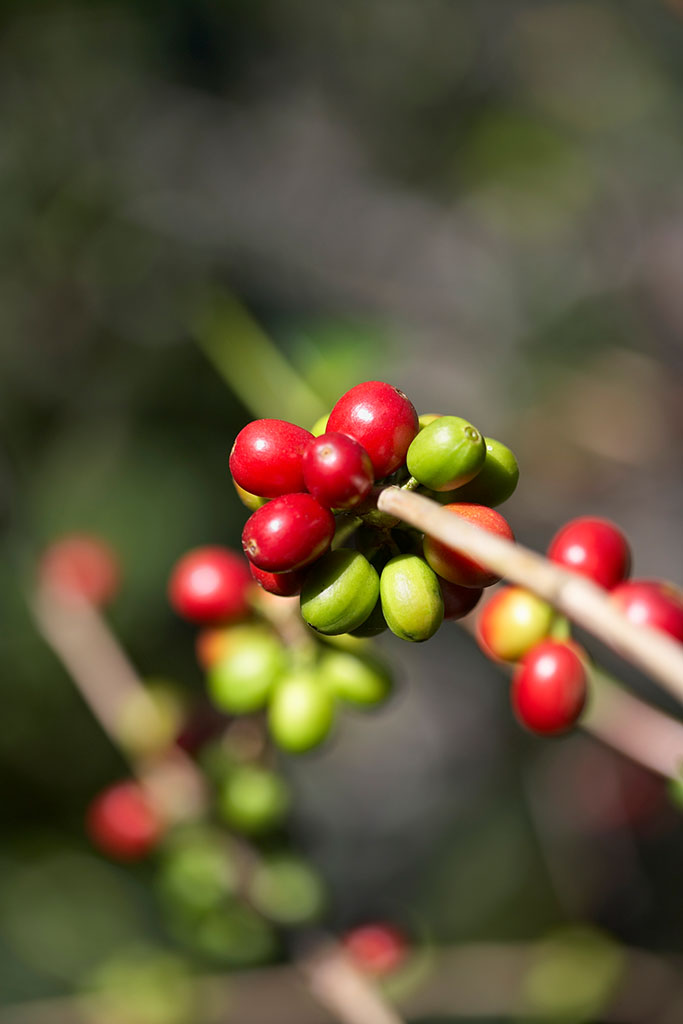
Despite its high altitudes and volcanic soils, Guatemala faces several obstacles:
- Lower yields: Guatemalan farms produce only around 700 kg of coffee per hectare, compared to 900 kg in El Salvador and 1,700 kg in Costa Rica.
- Export control: While private companies handle exports, the National Coffee Association (Asociación Nacional del Café) regulates other parts of the industry.
- Market pressures: Many smallholder farmers, often of Mayan descent, sell unprocessed cherries to middlemen, limiting their profit and discouraging quality-focused processing.
Efforts to Revive Quality Production
Quality improvement initiatives include:
- “The Project”: A $2.5 million US-funded program aimed at encouraging small-scale, high-quality coffee farming. It focuses on reversing the trend of high-volume, low-quality production by promoting better processing methods and supporting local mills.
- Promotion of bourbon variety: Older bourbon coffee trees — though lower-yielding — are encouraged over newer dwarf hybrids due to their superior cup quality, especially favored by specialty roasters and coffee cuppers.
- Farmer education & processing infrastructure: Efforts are underway to help farmers process their own beans locally rather than selling raw cherries, which can significantly improve both quality and profitability.
Why SHB Matters in Specialty Coffee
In the specialty coffee world, origin, altitude, and bean density are everything. Guatemalan SHB beans consistently score well for their balance, clarity, and complexity. Their dense structure also makes them ideal for various brew methods, particularly pour-over, where their layered flavors truly shine. Whether you’re tasting a spicy Antigua or a bright Huehuetenango, SHB classification ensures you’re starting with a premium-quality bean.
Frequently Asked Questions
What does SHB mean in Guatemalan coffee?
SHB stands for Strictly Hard Bean, referring to coffee grown at elevations above 1,350 meters. In Guatemala, these high-altitude conditions produce denser, more complex beans with better flavor development and higher cup quality.
Which Guatemalan region produces the best coffee?
Antigua is widely regarded as Guatemala’s top coffee region due to its volcanic soil, ideal microclimate, and iconic estates like Hacienda Carmona. Huehuetenango and Lake Atitlán are also highly respected for their distinctive cup profiles.
Why is Guatemalan coffee considered high quality?
Guatemalan coffee is considered high quality due to its high-altitude cultivation (especially SHB classification), volcanic soils, and diverse microclimates. These factors contribute to complex flavors, bright acidity, and good bean density.
What are the main challenges facing Guatemalan coffee farmers?
Guatemalan farmers face low yields per hectare (around 700 kg), limited export control, and economic pressures that often force them to sell unprocessed cherries. Many also struggle with infrastructure and market access.
Are there efforts to improve Guatemalan coffee quality?
Yes, programs like “The Project” invest in smallholder training, local processing, and the promotion of traditional bourbon varieties to enhance quality, increase farmer income, and reverse past trends of quantity over quality.
What flavors are typical in Guatemalan SHB coffee?
Guatemalan SHB coffee often features spice, citrus, chocolate, nuts, and sometimes tobacco or floral notes. Flavor varies by region, with Antigua offering more wine-like and spicy profiles, while Huehuetenango tends toward brighter, fruitier cups.
Recommended FrontStreet Beans for Pour-Over & SHB Fans
For fans of Guatemalan SHB-style coffee, try FrontStreet’s Brazil Hailuo Red Bourbon — a medium roast with creamy texture, mild acidity, and notes of almond and dark chocolate, ideal for exploring dense bean structure. The Colombia Huiduan Sidra, with its sweet stone fruit and juicy body from double anaerobic processing, brings vibrant complexity. For earthier depth, the Sumatra Lintong Mandheling offers classic full-bodied Indonesia richness. All are great for pour-over and showcase different aspects of high-density, high-quality beans. Freshly roasted within 5 days · Orders placed before 17:00 ship the same day · Next-day delivery across most of Guangdong Province.
FrontStreet Coffee is a long-established specialty coffee roaster in Guangzhou China, selling freshly roasted beans from its own farm in Yunnan as well as dozens of carefully selected single-origin beans from around the world for both pour-over and espresso. The products deliver consistently excellent quality and great value, with shipping within 24 hours. Guangzhou's FrontStreet Coffee shop is recommended by many coffee lovers, and the beans are now available online at the Tmall 。
Important Notice :
前街咖啡 FrontStreet Coffee has moved to new addredd:
FrontStreet Coffee Address: 315,Donghua East Road,GuangZhou
Tel:020 38364473