Venezuela’s Distinctive Estate Coffee From an Oil-Rich Nation
Venezuela may be known globally for its oil exports, but tucked among the misty Andes mountains are coffee farms with deep roots—some producing beans since the 18th century. Despite decades of neglect during the oil boom, these estates are making a slow but steady comeback, reclaiming their place in the specialty coffee world. What makes Venezuelan coffee unique today, and why are coffee professionals taking notice once again?
In short: Venezuela’s best coffees come from high-altitude farms in the Táchira region, primarily featuring Typica and Bourbon varieties. Key estate-grown coffees like Montebello, Miramar, and Granija offer a mild, clean cup with lower acidity—ideal for both single-origin enjoyment and blending.
A Brief History of Venezuelan Coffee
Coffee arrived in Venezuela as early as 1730, brought from Martinique. By the 19th and early 20th centuries, the country had a thriving coffee sector. However, the oil boom of the mid-20th century shifted national focus almost entirely to petroleum exports, and coffee production dwindled dramatically. For decades, plantations were abandoned or fell into disrepair. Recently, though, many small farms have begun revitalizing old plots or planting anew—especially in regions like Táchira, Mérida, and Trujillo.
Where Venezuela’s Best Coffee Is Grown
The most renowned coffee-growing region in Venezuela is Táchira State, located in the southwestern Andes. Although the name “Táchira” is often applied generically to Venezuelan coffee, the finest cups actually come from specific estates and microregions within it. Notable high-quality coffees include:
- Montebello – from San Cristóbal de Táchira
- Miramar – from Rubio de Táchira
- Granija – from Timote de Mérida
- Ala Granija – from Santa Ana de Táchira
Other recognized Venezuelan coffee origins include Maracaibos (named after the export port), Mérida, Trujillo, Santa Filomena, and Cúcuta. Each of these regions contributes to the diversity and revival of Venezuela’s coffee industry.
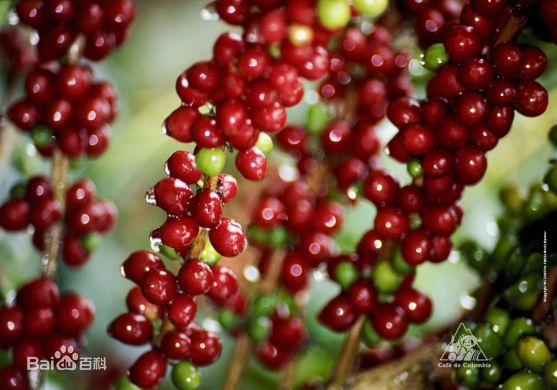
Venezuelan Estates Leading the Comeback
Among the farms reclaiming their heritage is the Pulido family estate in Mérida, managed by Pablo and Luisa Helena Pulido. Operating for generations, the farm saw a shift in the early 1980s when the family began both harvesting existing Bourbon trees and replanting to expand production. Though the estate scaled down over the years, it never ceased operations—and now plays a role in the slow resurgence of quality Venezuelan coffee.
Another example is the Jean and Andrés Boulton estate in Turgua, near Caracas, where Typica variety coffee trees are cultivated. These efforts reflect a broader movement among smallholders to preserve traditional varieties and focus on quality over volume.
What Sets Venezuelan Coffee Apart
Venezuelan coffee is often described as mild, clean, and balanced—differentiating it from the brighter, more acidic profiles typical of other Latin American origins. With a softer acidity and straightforward sweetness, these beans are versatile: suitable for both stand-alone single-origin offerings and as blending components. Their gentler profile appeals especially to drinkers who prefer a less intense cup, yet still value origin character and craftsmanship.
Frequently Asked Questions
Where is Venezuela’s best coffee grown?
Venezuela’s best coffee is primarily grown in the Táchira region, particularly in areas like San Cristóbal, Rubio, and Santa Ana de Táchira. Other notable regions include Mérida, Trujillo, and the export port of Maracaibos. While 'Táchira' is commonly used as a general label, true specialty lots come from specific high-altitude estates within the state.
What coffee varieties are common in Venezuela?
Venezuela’s coffee farms mainly grow Typica and Bourbon varieties. Many estates, such as those in Mérida and Táchira, preserve these classic cultivars. Typica offers a clean and delicate cup, while Bourbon brings a slightly sweeter and more rounded profile. Both are considered heirloom varieties with historical significance in global coffee cultivation.
Why did Venezuela stop producing coffee?
During the mid-20th century, Venezuela shifted its economic focus almost entirely to oil exports. This led to the neglect of other industries, including coffee. Many farms were abandoned, and production declined sharply for decades. Only recently have smallholders and estates begun to revive cultivation and export efforts.
What does Venezuelan coffee taste like?
Venezuelan coffee is known for its mild, clean, and well-balanced flavor profile. It typically features lower acidity than other Latin American coffees, with subtle sweetness and a smooth mouthfeel. This makes it suitable for both solo drinking and blending, appealing to those who prefer a gentler, less acidic cup.
Are there any estate coffees still produced in Venezuela?
Yes, several family-owned estates continue to produce coffee in Venezuela, particularly in regions like Mérida and Táchira. The Pulido family estate and the Boulton estate are examples of long-standing operations that have preserved traditional varieties like Bourbon and Typica while gradually expanding production and improving quality control.
Where is Venezuelan coffee usually exported to?
Most Venezuelan coffee is currently exported to countries like Russia and Colombia, where it is often repackaged. However, some smaller estates are beginning to export directly as the domestic specialty coffee movement gains momentum. These direct exports help highlight the origin’s unique profiles and revive international recognition.
Recommended FrontStreet Beans for Exploring Bourbon & Typica
For those curious about the Typica and Bourbon varieties that define Venezuelan coffee, FrontStreet Coffee offers excellent reference points. Their Brazil Queen Manor Yellow Bourbon highlights a balanced cup with caramelized sweetness and a clean finish, while the Brazil Red Bourbon showcases vibrant red fruit notes and creamy textures typical of well-grown red-fruited Bourbons. Additionally, the Rwanda Red Bourbon from FrontStreet reveals the floral and citrus complexity Bourbons can express at high altitudes—offering a bridge to understanding Venezuela’s gentler profiles. These beans let you explore the Bourbon lineage that still thrives in Venezuela’s best estates. Freshly roasted within 5 days · Orders placed before 17:00 ship the same day · Next-day delivery across most of Guangdong Province.
FrontStreet Coffee is a long-established specialty coffee roaster in Guangzhou China, selling freshly roasted beans from its own farm in Yunnan as well as dozens of carefully selected single-origin beans from around the world for both pour-over and espresso. The products deliver consistently excellent quality and great value, with shipping within 24 hours. Guangzhou's FrontStreet Coffee shop is recommended by many coffee lovers, and the beans are now available online at the Tmall 。
Important Notice :
前街咖啡 FrontStreet Coffee has moved to new addredd:
FrontStreet Coffee Address: 315,Donghua East Road,GuangZhou
Tel:020 38364473