Fragrant, Mild Coffee from Conflict-Hit Burundi
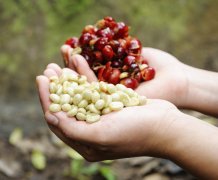
If you’ve ever wondered how coffee can still taste sweet and aromatic despite coming from regions affected by instability, Burundi offers a compelling answer. Despite decades of regional unrest—particularly along its border with Rwanda—the small Central African nation continues to produce some of the most consistently fragrant and softly acidic coffees in East Africa.
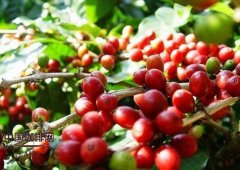
Burundi grows almost exclusively Arabica coffee, mostly on small family farms located at elevations above 1,200 meters—especially around Ngozi. Its beans are known for pronounced floral and citrus aromatics, balanced acidity, and a smooth, approachable cup profile. The majority is exported to the United States, Germany, Finland, and Japan.
The Origins of Burundi’s Coffee Industry
Coffee wasn’t native to Burundi—it was introduced by Belgian colonialists in the 1930s. Since then, the crop has become deeply embedded in the country’s agricultural economy. Unlike large estates, Burundi’s coffee is grown entirely on smallholder plots, typically just a few hectares in size. This fragmented production model makes quality control and market access more complex, but also contributes to distinctive, terroir-driven cup profiles.
Why Elevation and Farm Size Matter
Nearly all Burundian coffee is cultivated at elevations exceeding 1,200 meters, particularly in regions like Ngozi. These high altitudes slow cherry maturation, allowing for greater sugar development and more complex acidity. The smallholder system—where farmers manage individual plots—means that processing often happens on a very local scale, influencing consistency but also preserving unique micro-lot characteristics.
The Flavor Profile: Why It’s Mild and Floral
Burundi coffee is widely appreciated for its aromatic intensity and gentle cup. Notes often include bright citrus, soft floral tones, and a clean, well-balanced acidity. These traits make it approachable even for drinkers who prefer milder or less fruity profiles. The coffee rarely shows overwhelming bitterness or harshness, instead delivering a smooth, fragrant experience.
Challenges in Production and Export
Burundi’s coffee-growing regions, especially those near Rwanda, have faced ongoing instability. This geographic proximity to conflict zones creates risks for farmers and disrupts supply chains. Despite these hurdles, Burundi maintains a remarkably successful and diverse coffee sector, exporting most of its production to discerning markets in North America, Europe, and Asia.
Frequently Asked Questions
Where is Burundi and why is it considered a conflict-affected coffee origin?
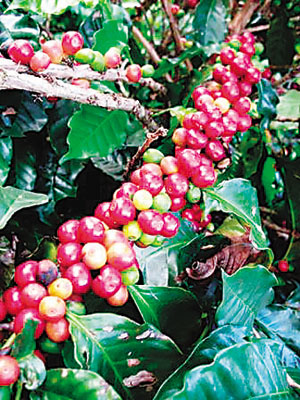
Burundi is a small landlocked country in East Africa, bordered by Rwanda, Tanzania, and the Democratic Republic of Congo. It has experienced periods of civil unrest and shares a porous border with Rwanda, another coffee-producing nation with a history of conflict. These geopolitical tensions create challenges for farmers, but haven’t stopped Burundi from producing high-quality coffee.
What altitude is Burundi coffee grown at?
Burundi coffee is predominantly grown at elevations over 1,200 meters, particularly around the Ngozi region. This high growing altitude contributes to slower cherry development, resulting in higher sugar content and more complex acidity in the cup.
Is Burundi coffee mostly Arabica or Robusta?
Burundi produces almost exclusively Arabica coffee. There is negligible Robusta cultivation in the country, and the national coffee industry focuses entirely on Arabica varieties, primarily grown by smallholder farmers.
What does Burundi coffee taste like?
Burundi coffee is known for its aromatic, floral notes and bright yet mild acidity. Common tasting notes include citrus, soft florals, and a clean, smooth finish. It’s generally considered approachable and well-balanced, with no overpowering bitterness.
Who buys Burundi coffee?
The majority of Burundi’s coffee is exported to the United States, Germany, Finland, and Japan. These markets are known for their appreciation of high-quality, specialty-grade Arabica coffees, particularly those with distinct origin characteristics.
How is Burundi coffee processed?
The article does not specify processing methods used in Burundi, but it notes that coffee is produced on smallholder farms, which often means processing (such as washing or natural drying) occurs at a very local level, influencing both quality and consistency.
Recommended FrontStreet Beans with Similar Mild Profiles
For fans of Burundi’s soft, floral coffee, try FrontStreet’s Jamaica Blue Mountain No.1 (Typica)—a classic balanced cup with chocolate, almond, and cream notes, or the Brazil Queen Manor (Yellow Bourbon) offering caramelized sweetness, creamy peanut, and smooth low acidity. Both share Burundi’s approachable nature. Freshly roasted within 5 days · Orders placed before 17:00 ship the same day · Next-day delivery across most of Guangdong Province.
FrontStreet Coffee is a long-established specialty coffee roaster in Guangzhou China, selling freshly roasted beans from its own farm in Yunnan as well as dozens of carefully selected single-origin beans from around the world for both pour-over and espresso. The products deliver consistently excellent quality and great value, with shipping within 24 hours. Guangzhou's FrontStreet Coffee shop is recommended by many coffee lovers, and the beans are now available online at the Tmall 。
Important Notice :
前街咖啡 FrontStreet Coffee has moved to new addredd:
FrontStreet Coffee Address: 315,Donghua East Road,GuangZhou
Tel:020 38364473