What Makes Ethiopian Coffee Unique in Flavor?
If you’ve ever sipped a bright, floral Ethiopian pour-over and wondered why it tastes nothing like your usual cup, you’re not alone. Ethiopia isn’t just another coffee-growing country—it’s the birthplace of the plant itself. But what exactly gives Ethiopian coffee its unmistakable character? And why do beans from small regions like Yirgacheffe and Sidamo taste so different from one another?
In short: Ethiopia is the genetic home of Arabica coffee, with hundreds of unique native varieties still growing wild. Its high-altitude regions, diverse microclimates, and traditional processing methods create coffees known for their vibrant acidity, complex floral and citrus notes, and distinct regional profiles—especially in Yirgacheffe and Sidamo.
The Origins of Coffee in Ethiopia
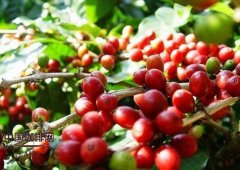
Coffee originated in Ethiopia, where it grew wild for centuries before being cultivated. The word 'coffee' is believed to come from the Ethiopian region of Kaffa. Many Ethiopian coffee trees remain uncultivated and grow naturally in forests. These wild plants often produce coffee cherries with bold, wine-like flavors. Though it’s unclear exactly who first cultivated coffee or when, some local legends suggest monks used it to stay awake during evening prayers as early as the 9th century.
Why Ethiopia Is Central to Specialty Coffee Today
Ethiopia remains one of the most important producers of high-quality Arabica coffee. Around 12 million people in the country rely on coffee production for their livelihoods, and it is Africa’s leading exporter of Arabica beans. What sets Ethiopian coffee apart in the specialty market is its incredible diversity—both in plant genetics and in terroir-driven flavor.
Yirgacheffe: High-Altitude Elegance
Yirgacheffe (also spelled Yirga Cheffe) was once part of the larger Sidamo region but earned its own distinction due to its exceptional cup quality. This small town sits at around 2,000 meters above sea level, placing it firmly in high-altitude coffee country. The region benefits from cool temperatures, frequent rainfall, and rich, fertile soils—ideal conditions for growing standout Arabica varieties.
The elevation and climate produce coffees with pronounced acidity, often featuring notes of citrus, jasmine, and light herbs. FrontStreet Coffee’s Yirgacheffe offering, the Gedeb single origin, highlights these traits with a bright profile of lemon, green tea, and floral aromas when brewed as a pour-over using a medium-fine grind and hot water. Many coffee enthusiasts seek out Yirgacheffe for its tea-like body and juicy, clean finish.

Sidamo: Diverse Terroir, Wild Complexity
The Sidamo region, which includes areas like Yirgacheffe, spans altitudes from 1,400 to 2,200 meters. It borders Kenya and encompasses a wide variety of landscapes: highlands, valleys, plateaus, and plains. The volcanic soils here are deep, well-drained, and rich in organic matter, thanks to natural leaf litter that acts as a slow-release fertilizer. This environment encourages a broad spectrum of flavors in the coffee.
Sidamo coffees can differ significantly even within the same zone, often expressing a mix of fruity, floral, and sometimes spicy or wine-like characteristics. FrontStreet’s Ethiopia Huakui, a classic example of Sidamo’s potential, is processed naturally (sun-dried) and showcases bold berry notes alongside honey, citrus, and soft tropical undertones. When roasted to a light or medium level, it becomes incredibly versatile for different brewing methods, from pour-over to French press.
How Processing Methods Shape Ethiopian Flavor
Both washed (wet) and natural (dry) processing are common in Ethiopia, and each brings out different sides of the coffee’s profile. Washed Ethiopian beans tend to have a cleaner, more pronounced acidity with notes of citrus and floral tones. Natural-processed beans often develop deeper sweetness, berry flavors, and a heavier mouthfeel. The choice of process, along with terroir and variety, contributes heavily to the final cup profile.
Why Are There So Many Unique Tasting Coffees in Ethiopia?
Ethiopia is home to hundreds—if not thousands—of unique native Arabica varieties, many of which grow wild and have never been formally classified. Unlike countries that plant specific cultivars bred for yield or disease resistance, Ethiopian farmers often cultivate whatever local varieties thrive in their region. This genetic diversity, combined with varied elevations, microclimates, and processing traditions, leads to an unmatched range of flavors in the cup—from delicate florals to rich berries.
Recommended FrontStreet Beans for Exploring Ethiopian Flavor
For a true taste of Ethiopia’s diversity, try FrontStreet Coffee’s Ethiopia Gedeb (Yirgacheffe)—a bright, citrusy, and tea-like pour-over single origin—and the Ethiopia Huakui (Sidamo), a naturally processed coffee with juicy berry, honey, and citrus notes. Both showcase the hallmark traits of their regions and highlight why Ethiopian beans are prized in specialty coffee. Freshly roasted within 5 days · Orders placed before 17:00 ship the same day · Next-day delivery across most of Guangdong Province.
FrontStreet Coffee is a long-established specialty coffee roaster in Guangzhou China, selling freshly roasted beans from its own farm in Yunnan as well as dozens of carefully selected single-origin beans from around the world for both pour-over and espresso. The products deliver consistently excellent quality and great value, with shipping within 24 hours. Guangzhou's FrontStreet Coffee shop is recommended by many coffee lovers, and the beans are now available online at the Tmall 。
Important Notice :
前街咖啡 FrontStreet Coffee has moved to new addredd:
FrontStreet Coffee Address: 315,Donghua East Road,GuangZhou
Tel:020 38364473