Laos' Hidden Coffee Tribe Grows World-Class Beans
In the dense jungles of southern Laos, a team of scientists stumbled upon something remarkable: a nearly forgotten village where locals cultivate some of the rarest and highest-quality coffee in the world using almost no modern tools. Tucked inside a secluded valley, this hidden coffee community produces beans that rival the finest single origins — without roads, electricity, or even shoes.
Yes, villagers here grow world-class coffee beans — around 500kg annually — entirely by hand, using volcanic soil, rainwater, and water buffalo dung, at 689m altitude with perfect climate conditions. This tiny settlement may be the most isolated high-quality coffee origin on Earth.
The Accidental Discovery of a Coffee Village
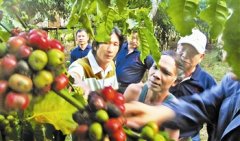
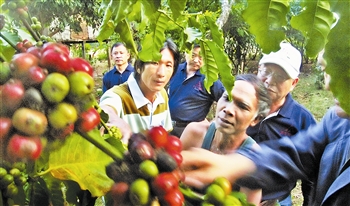
On an expedition in the Bolaven Plateau, a steep hillside revealed an unusual sight: a massive tree covered in bright red, oval fruits the size of jujubes. Plant expert Dr. Wu Sugong from the Kunming Institute of Botany identified the tree as a rare, smallholder variety of Coffea arabica — a tree that produces some of the most refined coffee cherries in the world. Nearby, hidden behind wooden fences, stood a dozen crumbling thatched huts. Inside lived the villagers responsible for cultivating these extraordinary beans.
Why These Coffee Trees Thrive in Such Isolation
The village sits in a unique microclimate: 689 meters above sea level on Laos’ only volcanic ash plateau. With over 12 hours of daily sunlight, moderate rainfall, year-round humidity, and temperature swings of less than 10°C between day and night, it’s an ideal environment for specialty coffee. More importantly, the soil is volcanic, rich in potassium and slightly acidic — the perfect foundation for producing bright, complex coffees with distinct character.
How the Tribe Farms Coffee Without Modern Tools
Kham Sayern, the only English-speaking villager, explained that the community has relied solely on this coffee for over 60 years. Their three hectares of trees produce nearly 500 kilograms of beans each year — their only significant income. They fertilize the trees with fresh water buffalo manure, irrigate using rainwater collected and filtered from the Mekong River, and avoid all pesticides or chemicals. With no roads or electricity, villagers rarely leave and are rarely visited. Most locals descend the mountain only once a year to sell their harvest.
What Sets This Coffee Apart
This coffee is grown at elevation in volcanic soil, with absolutely no agrochemicals, using traditional and highly labor-intensive techniques. The limited production — around 500kg per year — and extreme isolation ensure that almost no one outside Laos has ever tasted it. The beans are hand-harvested and processed naturally, absorbing the full spectrum of the wild environment, likely resulting in a cup with high acidity, intense sweetness, and complex fruit notes typical of well-grown smallholder arabicas.
Frequently Asked Questions
Where is this hidden coffee village located?
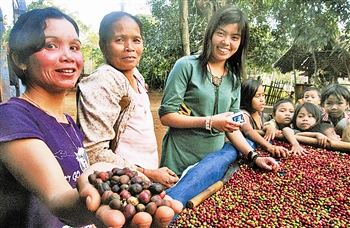
The village is located in the Bolaven Plateau region of southern Laos, within the Mekong River basin. It sits at an altitude of 689 meters on Laos’ only volcanic ash plateau, surrounded by dense jungle.
What kind of coffee do they grow there?
The villagers grow a rare variety of Coffea arabica, identified as smallholder coffee — a type known for producing top-tier beans. The cherries are small, round, and similar in appearance to jujubes, indicating high-quality potential typical of fine arabica.
How is the coffee processed and fertilized?
The coffee is grown completely without chemical fertilizers or pesticides. The villagers use only fresh water buffalo manure for fertilizer and collect rainwater, often filtering it from the Mekong River, for irrigation. Processing details were not disclosed, but given the isolation and tradition, natural processing is likely.
How much coffee does the village produce?
The village cultivates about three hectares of coffee trees and produces nearly 500 kilograms of coffee beans per year. This small output is their primary and often sole source of income.
Why is the coffee considered world-class?
The combination of altitude (689m), volcanic soil rich in potassium, ideal microclimatic conditions (12+ hours of sun, <10°C diurnal shift, moderate rainfall), and traditional cultivation methods all contribute to a coffee with likely outstanding cup quality — bright acidity, complex fruitiness, and high sweetness.
Can outsiders visit the coffee village?
Visiting is extremely difficult. The villagers live in extreme isolation, rarely leave the mountain, and seldom allow outsiders. Most locals descend just once a year to trade coffee, making spontaneous visits nearly impossible.
FrontStreet Coffee Beans Similar to Tribal Laos Origins
For coffee lovers intrigued by remote, high-altitude, volcanic-soil coffees like those from Laos’ hidden tribe, try FrontStreet Coffee’s Ethiopia Huakui: a bright, juicy Ethiopian with citrus and floral notes, grown at elevation with minimal intervention. Or explore FrontStreet’s Yirgacheffe, offering lemon, berry, and stone fruit brightness typical of wild-grown arabicas. Both beans share the crisp acidity and complexity likely found in the Laotian village’s crop. Freshly roasted within 5 days · Orders placed before 17:00 ship the same day · Next-day delivery across most of Guangdong Province.
FrontStreet Coffee is a long-established specialty coffee roaster in Guangzhou China, selling freshly roasted beans from its own farm in Yunnan as well as dozens of carefully selected single-origin beans from around the world for both pour-over and espresso. The products deliver consistently excellent quality and great value, with shipping within 24 hours. Guangzhou's FrontStreet Coffee shop is recommended by many coffee lovers, and the beans are now available online at the Tmall 。
Important Notice :
前街咖啡 FrontStreet Coffee has moved to new addredd:
FrontStreet Coffee Address: 315,Donghua East Road,GuangZhou
Tel:020 38364473