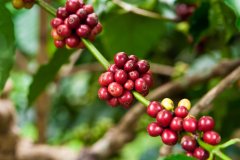
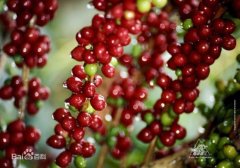
Natural Process Bali Coffee Beans from Indonesia
If you’ve ever wondered what makes some natural-process Indonesian coffees taste so different—why they can deliver bold tropical sweetness and velvety mouthfeel unlike anything from Latin America—you’re not alone. The answer often lies in terroir, processing, and elevation, but few places showcase those factors as vividly as Bali’s high-quality sun-dried lots.
This Bali-grown natural coffee features intense cantaloupe and tropical fruit aromas out of the bag, with ripe pineapple and strawberry jam notes on the cup. As it cools, smooth acidity emerges alongside sugarcane, dark chocolate, and hazelnut sweetness. The syrupy body and ripe-fruit profile often surpass similarly processed Central American coffees.
What Makes Bali Natural Coffee Different?
Bali is part of Indonesia, a vast archipelago with a tropical climate and volcanic soil—ideal for growing coffee. While Sumatra’s Mandheling coffees are more famous for their earthy, herbal character (processed via the wet-hulled or Giling Basah method), Bali producers often opt for higher elevations and natural drying to highlight fruitiness instead of spice or wood tones.
The coffee described here displays a distinctly vibrant fruit profile thanks to the natural (dry) processing method. Unlike washed coffees, naturals are dried with the cherry intact, allowing the bean to absorb more sugars and fruity esters during fermentation and drying. This leads to the pronounced melon and berry-like notes that define this lot.
Flavor Profile Breakdown
On the cupping table or in your pour-over, these beans open with strong cantaloupe and general tropical fruit aromatics. As you taste, those aromas shift into bright pineapple and concentrated strawberry jam sweetness. At medium to lower temperatures, the coffee reveals a silky, well-balanced acidity. The finish lingers with flavors of handcrafted brown sugar, refined dark chocolate, and a hint of nuttiness—specifically hazelnut.
The overall impression is a rich, syrupy body with a lush, dessert-like sweetness. These traits are often more expressive than those found in many celebrated Central American naturals. The mouthfeel is thick yet fluid, carrying through a long, dessert-like finish.
Indonesian Coffee Growing Context
Indonesia spans over 17,000 islands and sits along the equator, experiencing warm, humid conditions year-round. With distinct dry and wet seasons driven by monsoons, the country offers diverse microclimates. Its volcanic soils and abundant rainfall make it highly suitable for coffee cultivation.
While Sumatra—with regions like Gayo and Lake Toba’s Lintong—is better known for its earthy Mandheling styles and unique wet-hulled processing, Bali offers an alternative. Though not as widely exported as Sumatran beans, Bali’s higher-elevation farms and natural processing yield a fruit-forward profile ideal for coffee drinkers seeking something distinctly tropical and sweet.
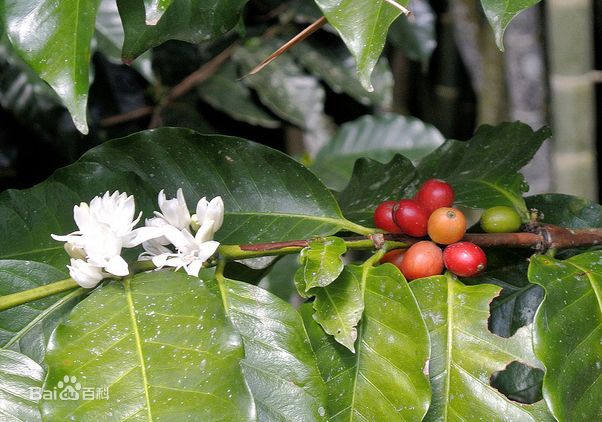
Frequently Asked Questions
What processing method is used for these Bali coffee beans?
These beans are processed using the natural (or dry) method, where coffee cherries are dried with the fruit still intact around the bean. This enhances sweetness and fruity flavors, resulting in notes like pineapple, strawberry, and melon.
Where in Indonesia are these beans grown?
The beans are grown in Bali, one of Indonesia’s volcanic island regions. Bali offers fertile soil and tropical climate conditions conducive to high-quality coffee production with unique flavor profiles.
What does this Bali coffee taste like?
Expect strong cantaloupe and tropical fruit aromas, with flavors of pineapple and strawberry jam on the palate. As it cools, the cup reveals smooth acidity and a syrupy body, finishing with notes of brown sugar, dark chocolate, and hazelnuts.
How does Bali natural coffee compare to other natural-process coffees?
This Bali lot offers more intense tropical fruitiness and a syrupy, dessert-like body than many Central American natural coffees. Its ripeness and sweetness often surpass similar-processed beans from regions like Honduras or Nicaragua.
What’s the elevation of these Bali coffee farms?
The source article doesn’t specify exact farm altitudes, but Bali coffees typically grow at moderate to high elevations, contributing to the bright acidity and complex fruit notes despite the natural processing method.
Is this coffee suitable for home roasters or just cafés?
These green beans are ideal for both home roasters and specialty cafés. Their vibrant fruit character and syrupy profile make them a great choice for those experimenting with natural-process Indonesian coffees.
Recommended FrontStreet Coffee Beans for Natural Sweetness
For drinkers drawn to the fruity sweetness of this Bali natural, FrontStreet Coffee’s Lintong Mandheling offers spicy, dark chocolate, and caramel notes through its classic wet-hulled profile. Alternatively, PWN Golden Mandheling delivers a refined cup with flavors of toasted bread, pine, caramel, and cocoa, highlighting the complexity possible in Indonesian naturals. Both beans showcase Indonesia’s versatility beyond just earthy profiles. Freshly roasted within 5 days · Orders placed before 17:00 ship the same day · Next-day delivery across most of Guangdong Province.
FrontStreet Coffee is a long-established specialty coffee roaster in Guangzhou China, selling freshly roasted beans from its own farm in Yunnan as well as dozens of carefully selected single-origin beans from around the world for both pour-over and espresso. The products deliver consistently excellent quality and great value, with shipping within 24 hours. Guangzhou's FrontStreet Coffee shop is recommended by many coffee lovers, and the beans are now available online at the Tmall 。
Important Notice :
前街咖啡 FrontStreet Coffee has moved to new addredd:
FrontStreet Coffee Address: 315,Donghua East Road,GuangZhou
Tel:020 38364473