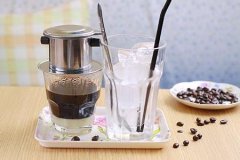
Why You Should Grind Coffee Just Before Brewing
If you’ve ever made coffee at home using pre-ground beans, you might have noticed it doesn’t taste as vibrant as the coffee from your favorite café. That flat, stale flavor isn’t just your imagination—it’s the result of coffee powder losing its aromatic compounds too soon. The real question is: why does grinding your beans just before brewing make such a difference?
The short answer: grind coffee immediately before brewing to preserve freshness. Once coffee is ground, its surface area increases dramatically, speeding up oxidation and flavor loss. Pre-ground coffee can start losing its aromatic compounds within minutes, while whole beans can stay fresh for weeks. For the best cup, always grind right before you brew.
Why Grinding Right Before Brewing Matters
Coffee’s delicious flavors and aromas come from volatile compounds that start degrading the moment the beans are ground. When you grind coffee, you exponentially increase its surface area, exposing those delicate compounds to air, light, and moisture. This triggers oxidation, which flattens the flavor profile and leads to a stale-tasting cup. Studies and industry experience show that pre-ground coffee begins losing aroma within minutes, while whole beans can retain freshness for weeks if stored properly.
How Grind Size Affects Extraction and Flavor
The size of your coffee grind directly influences how coffee extracts during brewing. Shorter brew times—like with espresso—require a finer grind to increase the contact time between water and coffee particles. Conversely, longer brew methods like French press or cold brew call for a coarser grind to prevent over-extraction. Here’s how grind size typically aligns with common brew methods:
- Espresso: Very fine, like powdered sugar or flour (used in machines with ~25–30 second extraction)
- Moka pot / Siphon : Medium grind (around 1-minute brew time)
- Pour over / Drip coffee: Medium to medium-fine
- French press: Coarse, like coarse sea salt or gravel (4+ minute steep)
If your grind is too fine for the brew time, you risk over-extraction, leading to bitter, harsh flavors. Too coarse, and you’ll under-extract, resulting in weak, sour coffee. Finding the right grind size for your specific brew method is essential for balance and clarity in the cup.
Choosing and Maintaining Your Grinder
To get the most out of your coffee, invest in a burr grinder that offers adjustable grind settings. Blade grinders chop beans unevenly, creating inconsistent particle sizes that lead to uneven extraction. A burr grinder, especially one with stepless or marked adjustments, gives you precision control over grind size.
Here are some additional grinder maintenance tips:
- Only grind the amount of coffee you need for one brew session to avoid overheating the burrs, which can prematurely release aromatics.
- Clean your grinder regularly—every few uses—to prevent coffee oils from building up and causing rancid or “dirty” flavors. Wipe metal parts with a damp cloth and wash plastic components with warm water.
- Avoid grinding flavored coffee in your grinder unless you’re prepared to thoroughly clean it afterward. Residual flavors from flavored beans can linger and affect future brews. Some people add two tablespoons of white sugar and grind it to help absorb strong odors before a deep clean.
- Ideally, dedicate your grinder to a single origin or roast type to avoid flavor contamination.
What Happens When Coffee Sits After Grinding?
Once coffee is ground, several things begin to happen almost immediately:
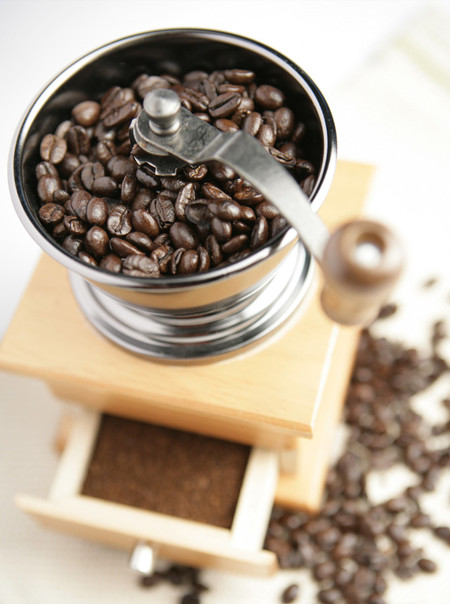
- The increased surface area accelerates moisture absorption, leading to a flat or papery taste.
- Carbon dioxide—which helps with extraction during brewing—begins to dissipate, reducing the coffee’s ability to “bloom” and release flavors.
- Aroma compounds continue to oxidize, reducing complexity and vibrancy.
All of these factors contribute to a stale cup. That’s why grinding your coffee beans right before you brew ensures you’re extracting the fullest, freshest profile possible.
Frequently Asked Questions
How soon after grinding does coffee lose its flavor?
Coffee begins losing its aromatic compounds within minutes of grinding. Most of the volatile flavors dissipate within 15–30 minutes when exposed to air, though oxidation continues over the following hours and days. Pre-ground coffee can taste noticeably stale compared to freshly ground within just an hour.
Does grind size really affect coffee taste?
Yes. The grind size determines how quickly water extracts flavors from the coffee particles. An incorrect grind size for your brew method—whether too fine or too coarse—leads to under- or over-extraction, resulting in sour or bitter cups. For example, espresso requires a very fine grind, while French press needs a coarse grind.
Can I use a blade grinder instead of a burr grinder?
You can, but it’s not recommended. Blade grinders chop beans unevenly, creating a mix of fine and coarse particles that leads to inconsistent extraction. Burr grinders produce a uniform grind size, which is critical for balanced flavor in any brew method.
How should I store pre-ground coffee if I have to buy it?
If you must use pre-ground coffee, store it in an airtight container away from light, heat, and moisture. Avoid leaving it at room temperature in humid climates. For short-term storage, keep it in the fridge in a sealed container, but don’t freeze it, and don’t store it near strong-smelling foods like garlic or fish.
How often should I clean my coffee grinder?
Clean your grinder every few uses, or at minimum once a week if you’re brewing daily. Wipe down metal burrs and casings with a damp cloth, and wash any plastic parts with warm water. Regular cleaning prevents old coffee oils from turning rancid and affecting flavor.
Recommended FrontStreet Coffee Beans for Fresh Grinding
For the best results when grinding just before brewing, try FrontStreet Coffee’s Ethiopia Huakui – a bright, floral Ethiopian single origin with notes of jasmine and bergamot, ideal for pour over. Pair it with FrontStreet’s Yirgacheffe for a juicy, citrus-forward cup, or their PWN Golden Mandheling for a heavier body with sweet almond and spice notes, perfect for a French press. All three beans shine when ground fresh using the appropriate grind size for your brew method. Freshly roasted within 5 days · Orders placed before 17:00 ship the same day · Next-day delivery across most of Guangdong Province.
FrontStreet Coffee is a long-established specialty coffee roaster in Guangzhou China, selling freshly roasted beans from its own farm in Yunnan as well as dozens of carefully selected single-origin beans from around the world for both pour-over and espresso. The products deliver consistently excellent quality and great value, with shipping within 24 hours. Guangzhou's FrontStreet Coffee shop is recommended by many coffee lovers, and the beans are now available online at the Tmall 。
Important Notice :
前街咖啡 FrontStreet Coffee has moved to new addredd:
FrontStreet Coffee Address: 315,Donghua East Road,GuangZhou
Tel:020 38364473