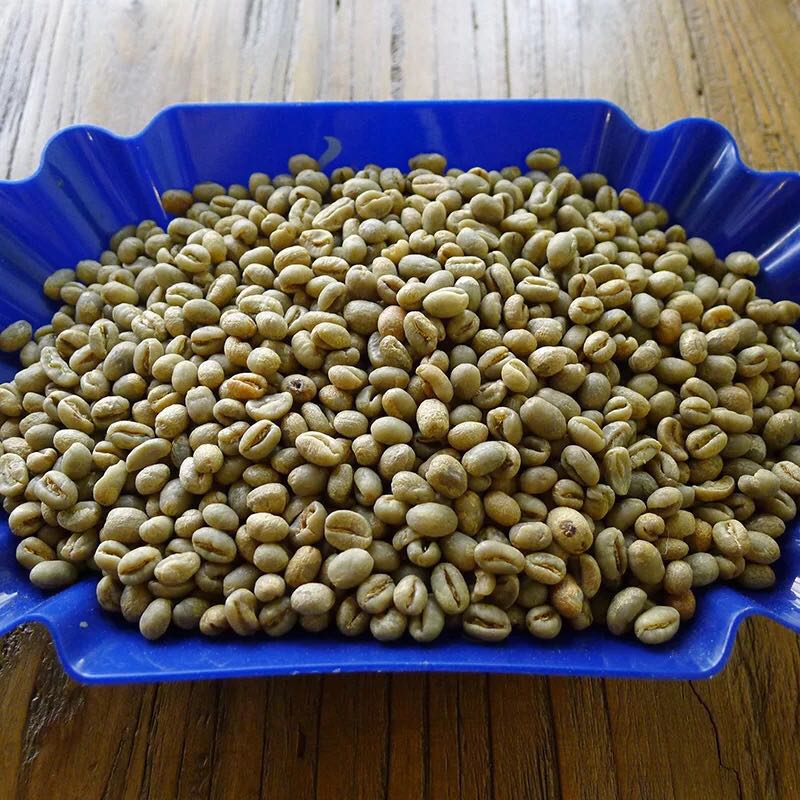
Yirgacheffe Gediy Coffee: Ethiopia’s Wild-Origin Specialty Bean
You’ve heard of Yirgacheffe, but what about Gediy? Ethiopia, the birthplace of coffee, is home to wild-growing trees that produce distinctive beans—some still untamed, others cultivated in remote highland villages. This article reveals the origins, varieties, and unique processing methods behind Ethiopia’s most iconic specialty coffee regions, including the lesser-known Gediy, and explains why these beans taste so different from the rest of the world’s crop.
If you’re looking for the coffee that started it all, Ethiopia is the answer. The town of Kaffa gave coffee its name, and wild coffee trees still grow across the country—some producing beans with a winey aroma and full body. Over 12 million Ethiopians now farm coffee, with key regions like Yirgacheffe, Harrar, and Sidamo each offering distinct cup profiles. Among them, Gediy represents the wild, less-commercialized face of Ethiopia’s coffee heritage.
The Origins of Coffee in Ethiopia
Coffee originated in Ethiopia, where it grew wild for centuries. The word “coffee” comes from the Ethiopian town of Kaffa. Many Ethiopian coffee trees remain uncultivated, producing beans with a full shape and subtle wine-like notes. Though humans likely began cultivating coffee as early as the 9th century, the details remain unclear. Local legend says monks first used coffee to stay alert during evening prayers.
Ethiopia’s Coffee Varieties and Regions
Ethiopia grows coffee in diverse conditions: from wild forests to traditional smallholdings and modern farms. About 50% of its coffee is cultivated above 1,500 meters. Key regional types include:
- Harrar: Grown at the highest elevations, Harrar beans come in long and short varieties. Long Harrar is especially popular for its soft body, wild winey aroma, and bright acidity.
- Djimmah: Found at around 1,200 meters, sold under Limu and Babeka brands.
- Sidamo: Produced in central Ethiopia, sold as Yirgachaffe.
- Lekempti: Known for its unique flavor profile.
- Yirgacheffe (Yirga Cheffe): A high-altitude zone within Sidamo, now recognized as its own region, growing some of Ethiopia’s most famous specialty beans at 1,800+ meters.
- Gediy: A rare, lesser-exported bean mostly sent to Japan and Europe, with limited availability in the U.S.
Ethiopian coffee flavors are typically mild—not overly intense or acidic—and do not take well to dark roasting, which can erase their delicate qualities. Many compare their bright, nuanced profiles to classic Yemeni Mocha coffees. Though prices can be high, top Ethiopian beans rival the best in the world.
How Ethiopian Coffee Is Consumed and Traded
In rural Ethiopia, coffee is often enjoyed with a local herb called “Health of Adam.” Freshly roasted beans are crushed with the herb, then brewed and served in small cups—commonly paired with flatbread to enhance its sweet pepper notes. Domestically, Ethiopia has the highest per-capita coffee consumption in Africa.
The Ethiopian Coffee Marketing Corporation (ECMC) controls roughly 90% of coffee exports. That monopoly may soon ease, potentially benefiting small traders. Most Ethiopian coffee is sold through daily auctions and exported mainly to Germany, the U.S., France, and Japan. Among the lesser-known beans, Gediy is rarely seen in the U.S. due to exclusive supply deals—like those held by Germany’s Dallmeyer, a Nestlé subsidiary, which sources heavily from the Yirgacheffe region.
Yirgacheffe: The Global Face of Ethiopian Specialty Coffee
Yirgacheffe, a town in Ethiopia’s Southern Nations region (part of the larger Sidamo province), sits at 1,700–2,100 meters altitude, with most coffee grown above 1,800 meters. Once part of Sidamo, Yirgacheffe gained separate recognition in 2010 due to its distinctive cup profile. The region is known for its bright citrus, floral notes—especially white jasmine—and tea-like body, making it a benchmark for Ethiopian specialty coffee.
At FrontStreet Coffee, we offer several Yirgacheffe-based coffees that showcase the region’s diversity:
- FrontStreet Water-Washed Yirgacheffe: A beginner-friendly classic with white jasmine, vibrant citrus, lemon acidity, and a tea-like mouthfeel. Affordable and ideal for exploring Ethiopian flavor fundamentals.
- FrontStreet Water-Washed Gedeb Cooperative: From the Gedeb area (often labeled as Yirgacheffe), this cooperative produces beans with intense citrus, lemon acidity, and jasmine, all without harsh bitterness. A favorite among specialty drinkers seeking clarity and brightness.
- FrontStreet Red Cherry Yirgacheffe: Processed as whole red cherry natural, this coffee combines classic Yirgacheffe citrus with tropical fruit, berry sweetness, honey-like richness, and a creamy body. Fermented complexity meets origin brightness.
For brewing, FrontStreet recommends using a V60 with 15g of coffee at 1:15 ratio, 90–91°C water, and a grind size around EK43s setting 10 (sieve 80% through China-standard No.20). The standard three-pour method includes a 30g bloom, then 95g and 100g pours over 2 minutes 10 seconds total extraction time.
Frequently Asked Questions
What is Gediy coffee and where is it from?
Gediy is a rare Ethiopian coffee variety, primarily exported to Japan and Europe, with very limited availability in the U.S. It originates from Ethiopia’s wild-growing regions and is known for its distinctive cup profile, though exact tasting notes are rarely published. Its scarcity is partly due to exclusive supply agreements held by certain international roasters.
What makes Yirgacheffe coffee different?
Yirgacheffe coffee, grown at 1,800+ meters in Ethiopia’s southern highlands, is renowned for its bright citrus, jasmine, and tea-like characteristics. It stands out for its high altitude, unique processing, and vibrant acidity. The region became distinct from Sidamo in 2010 due to its recognizable flavor profile.
How should I brew Yirgacheffe coffee at home?
FrontStreet recommends using a V60 dripper with 15g coffee, a 1:15 brew ratio, water at 90–91°C, and a grind size around EK43s setting 10 (2080%). Start with a 30g bloom, then pour 95g and 100g in stages, aiming for a total brew time of about 2 minutes 10 seconds.
Why is Ethiopian coffee often floral and citrusy?
Ethiopian coffee, especially from regions like Yirgacheffe and Sidamo, grows at high altitudes and often in shaded, wild, or semi-wild conditions. These environments, along with the genetic diversity of native Ethiopian coffee varieties, contribute to the bright acidity, floral (like jasmine), and citrus (like lemon and orange) notes commonly found in the cup.
Who controls coffee exports in Ethiopia?
The Ethiopian Coffee Marketing Corporation (ECMC) controls around 90% of the country’s coffee exports. There are plans to decentralize control to regional traders, which could benefit small-scale exporters and improve market access for unique coffees like Gediy.
What are the main coffee-growing regions in Ethiopia?
Ethiopia’s key coffee regions include Yirgacheffe (known for citrus and floral notes), Harrar (high-altitude, winey and spicy), Sidamo (balanced with berry and floral tones), and others like Lekempti and Djimmah. Each region has distinct growing altitudes, processing methods, and flavor profiles.
Recommended FrontStreet Yirgacheffe Coffee Beans
Start your Yirgacheffe journey with FrontStreet’s Water-Washed Yirgacheffe, offering bright citrus, jasmine, and a tea-like body at an approachable price. For more clarity and complexity, try the Water-Washed Gedeb Cooperative—known for its intense lemon acidity and floral notes without bitterness. If you prefer natural processing, the Red Cherry Yirgacheffe delivers tropical fruit, berry sweetness, and honey-like body with creamy smoothness. All showcase Ethiopia’s signature high-altitude brightness. Freshly roasted within 5 days · Orders placed before 17:00 ship the same day · Next-day delivery across most of Guangdong Province.
FrontStreet Coffee is a long-established specialty coffee roaster in Guangzhou China, selling freshly roasted beans from its own farm in Yunnan as well as dozens of carefully selected single-origin beans from around the world for both pour-over and espresso. The products deliver consistently excellent quality and great value, with shipping within 24 hours. Guangzhou's FrontStreet Coffee shop is recommended by many coffee lovers, and the beans are now available online at the Tmall 。
Important Notice :
前街咖啡 FrontStreet Coffee has moved to new addredd:
FrontStreet Coffee Address: 315,Donghua East Road,GuangZhou
Tel:020 38364473