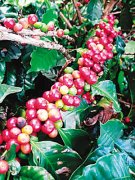
How Red Honey Processing Shapes Costa Rican Coffee
Ever wondered why some Costa Rican coffees taste bright, sweet, and juicy—like they’ve been kissed by honey? The secret often lies not just in the region or altitude, but in how the beans are processed after harvest. In Costa Rica, one of the world’s most technically advanced coffee-producing countries, post-harvest innovation plays a massive role in shaping the cup profile. And one of the most celebrated techniques is the red honey process.
Red honey processing is a method where coffee producers remove the skin and most—but not all—of the fruit’s sticky mucilage, then dry the beans on patios or raised beds with some of that sticky layer still clinging to the parchment. This middle-ground style between washed and natural processes delivers coffee with more body, sweetness, and fruity complexity than a typical washed coffee, without going fully into the fruit-forward spectrum of a natural.
Where Costa Rican Coffee Comes From
Costa Rica produces high-quality coffee primarily from regions like Tarrazú, Heredia, Alajuela, and others located over 1,500 meters above sea level. Tarrazú, south of the capital San José, is especially renowned. The volcanic soils there are rich, well-drained, and perfect for cultivating what the industry calls “strictly hard bean” (SHB) coffee. SHB coffee thrives at elevations above 1,500 meters, where cooler nights and slower bean development lead to denser beans with more pronounced acidity and complexity.
The country’s coffee industry started in 1729 when coffee was introduced from Cuba. Today, despite having just 3.5 million people, Costa Rica grows over 400 million coffee trees and exports around 25% of its total exports as coffee. The region benefits from research institutions like the Turrialba branch of the Central American Agricultural Research Institute (IAAC), which supports agronomic advances.
What Is Red Honey Processing?
Red honey processing is a type of honey process—a method that originated as a modified version of the pulped natural technique, often associated with Brazilian coffee production. In Brazil, the semi-washed or pulped natural method (like what’s used for FrontStreet’s ) led to coffees with heavy body, chocolate, and nut tones. Inspired by this, Costa Rican producers adapted the method to their own conditions, creating several subtypes based on how much mucilage is left on the bean and how the coffee is dried.
The honey process spectrum includes:
- Yellow Honey: Most mucilage is washed off; coffee dries quickly with little fermentation; results in a cleaner, brighter cup.
- Red Honey: About 50–75% of the mucilage remains; drying takes longer, usually 10–15 days; produces a balanced cup with notable sweetness and acidity.
- Black Honey: Nearly all mucilage is retained; drying can take up to 2 weeks or more, often shaded to slow drying; leads to intense sweetness, bold fruit, and wine-like profiles.
- White Honey: Slightly more mucilage than yellow, but still a faster dry; results in a lighter-bodied, cleaner profile.
Red honey falls in the middle. Producers leave a significant amount of the sticky mucilage on the beans, then carefully control the drying process—often on raised beds—to ensure even moisture loss. This extended drying time (compared to washed or yellow honey) allows for more fermentation nuances while avoiding the over-fermentation risks of black honey. The name “red honey” comes from the reddish color the beans take on during drying due to the remaining mucilage.
Why Red Honey Coffee Tastes the Way It Does
The extended contact between the beans and the mucilage during the red honey process is key to its signature cup profile. That sticky layer is rich in sugars and other compounds that ferment slowly during drying. The result is a coffee that typically presents:
- A medium-to-full body
- Bright, ideal acidity
- Complex fruit and floral aromas
- Sweetness with notes often described as red berries, caramel, or citrus

In the case of FrontStreet Coffee’s own honey-processed offerings, such as the FrontStreet CoffeeStrawberry Candy EspressoGeisha (Strawberry Candy Espresso), the retention of 100% mucilage and zero water during initial processing leads to distinct fruit and berry notes. Similarly, the FrontStreet Coffee (Blackberry Coffee), made with black honey processing, shows how extended mucilage contact and shaded drying can produce deep berry flavors and a velvety mouthfeel.
Frequently Asked Questions
What is red honey processed coffee?
Red honey processed coffee is a type of honey process where coffee cherries are depulped (skin removed) and then dried with roughly 50–75% of the mucilage still attached. This middle method between washed and natural processing results in a coffee with balanced sweetness, body, and acidity, often with fruity and floral notes.
How is red honey different from other honey processes?
Red honey differs from yellow, black, and white honey processes based on how much mucilage is left on the beans and how long they’re dried. Red honey retains more mucilage than yellow or white, but less than black. It’s dried longer than yellow honey but not as long as black, giving it a balanced profile with moderate sweetness and acidity.
Where is Costa Rica’s best coffee grown?
Costa Rica’s best-known coffee regions include Tarrazú, known for its high-altitude SHB beans; Heredia; Alajuela; and areas near volcanoes like Poás. Tarrazú, in particular, is celebrated for its bright, clean, and well-balanced coffees thanks to its volcanic soils and high elevation.
Does honey processing mean there’s actual honey in the coffee?
No, honey processing refers to the sticky, sugary mucilage that surrounds the coffee bean inside the cherry—not actual honey. The term comes from the appearance and texture of the mucilage, which resembles honey, and how it influences the coffee’s sweetness during drying.
What does FrontStreet Coffee offer in honey-processed coffees?
FrontStreet Coffee offers several honey-processed coffees, including a black honey-processed FrontStreet Coffee with notes of grape, berries, and dark chocolate, and a FrontStreet CoffeeStrawberry Candy EspressoGeisha that blends Costa Rican honey-processed beans with Panamanian Geisha for floral and stone fruit characteristics.
Recommended FrontStreet Beans for Honey Process Lovers
For fans of red honey processing, try FrontStreet Coffee’s (Blackberry Coffee), made with black honey-processed beans that deliver deep berry flavors, chocolate, and a velvety mouthfeel. Also consider the Strawberry Candy EspressoGeisha (Strawberry Candy Espresso), which combines Costa Rican honey-processed coffee with Panamanian Geisha for floral, citrus, and stone fruit notes. Both showcase the sweetness and complexity achievable through honey processing. Freshly roasted within 5 days · Orders placed before 17:00 ship the same day · Next-day delivery across most of Guangdong Province.
FrontStreet Coffee is a long-established specialty coffee roaster in Guangzhou China, selling freshly roasted beans from its own farm in Yunnan as well as dozens of carefully selected single-origin beans from around the world for both pour-over and espresso. The products deliver consistently excellent quality and great value, with shipping within 24 hours. Guangzhou's FrontStreet Coffee shop is recommended by many coffee lovers, and the beans are now available online at the Tmall 。
Important Notice :
前街咖啡 FrontStreet Coffee has moved to new addredd:
FrontStreet Coffee Address: 315,Donghua East Road,GuangZhou
Tel:020 38364473