Kenya Coffee Origin and Processing Methods Explained
Kenya is one of the few countries that consistently produces coffee with intense aroma, bright acidity, and vivid fruit flavors—qualities that specialty coffee professionals prize above almost all others. But what makes Kenyan coffee so distinct, and how is it actually grown, processed, and sold? If you've wondered why Kenya coffee tastes so different, the answer lies in a unique mix of terroir, variety, processing, and national oversight.
In short: Kenya’s best coffees come from SL28 and SL34 varieties grown at 1,500–2,100 meters altitude, undergo a rigorous double-washed fermentation process, are sorted and sold through a government-run weekly auction system, and are renowned for their blackcurrant, citrus, and wine-like acidity balanced with deep sweetness. That’s why it’s so sought after.
The Origins of Coffee in Kenya
Coffee arrived in Kenya in the 19th century, initially brought via Ethiopia through South Yemen as a drink, but not yet cultivated. It wasn’t until the early 20th century that Bourbon coffee trees were introduced by the Saint Austin Mission. These early introductions laid the genetic groundwork—but the real breakthroughs came later, with varieties specifically bred for the country’s high altitudes and unique growing conditions.
Why Kenyan Coffee Tastes So Different
Kenya’s signature cup profile—juicy, acidic, and intensely fruity—is shaped by several interlocking factors:
- High altitude: Most Kenyan coffee grows between 1,500 and 2,100 meters above sea level, where cooler temperatures slow ripening, allowing more complex sugars and acids to develop.
- Top-tier coffee varieties: The legendary SL28 and SL34, developed by Kenya’s Scott Laboratories (SL) in the 1930s, dominate the finest lots. SL28 offers intense blackcurrant, citrus, and deep winey acidity, while SL34 brings vibrant fruitiness alongside nut and spice notes.
- Rich volcanic soils: Soils, especially those rich in phosphates, contribute directly to the coffee’s distinctive brightness and structural clarity.
- Rigorous processing method: Kenyan coffee is almost always processed via a meticulous washed method involving double fermentation and extended soaking.
How Kenya Processes Its Coffee
Kenyan coffee is primarily processed using a highly controlled washed method, often referred to as the “Kenya double wash” or double fermentation process. Here’s how it works on the ground:
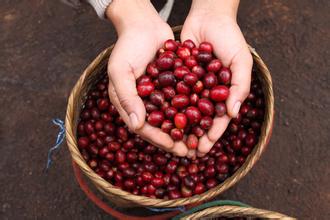
- After harvest—which occurs twice yearly, with pickers often making seven passes through the fields to select only perfectly ripe cherries—coffee is delivered by smallholder farmers to cooperative washing stations.
- At the station, the coffee cherry is depulped, then fermented for 48 hours to break down the mucilage.
- Next, the beans are washed to remove the fermented mucilage, and then soaked for another 24 hours in clean water, a step critical to developing the clean, vibrant flavors Kenya coffee is known for.
- The parchment coffee is then dried on raised beds to the ideal moisture level.
This labor-intensive, multi-day washing and soaking cycle contributes significantly to the juicy mouthfeel and complex acidity that define top Kenya lots.
How Kenyan Coffee Is Graded, Sold, and Exported
Kenya has one of the most organized and transparent coffee marketing systems in the world. Here’s how it functions:
- All coffee is collected by the Kenya Coffee Board (CBK), which grades and evaluates each lot.
- Coffee is then auctioned once a week in Nairobi. The auctions are open to international buyers, and samples are distributed ahead of time to allow for informed bidding.
- The CBK acts only as an agent—it does not set prices but facilitates the sale based on buyer assessments.
- Unlike many countries, Kenya does not pre-grade coffee before auction; instead, all eligible lots compete on the same platform. The best lots typically earn the coveted PB (peaberry), AA++, AA+, AA, and AB grades.
- AA is considered the top commercial grade—bright, dense, and often complex—while AB is slightly more abundant but still excellent. Peaberry (PB), where a single round bean forms instead of two flat ones, is rarer and often more intense in flavor.
The grading system emphasizes cup quality, density, and bean size. Auction lots are typically small (3–6 tons), giving roasters flexibility to sample and choose lots that match their profiles.
Production Volume and Market Influence
Though Kenya covers only a modest area compared to global producers, its output has been significant:
- From just 800,000 bags exported in 1969–70, production rose to 2 million bags by 1985–86. It has since stabilized at around 1.6 million bags per year.
- The average yield is approximately 650 kg per hectare.
- Between 1993 and 1994, prices increased by 50% in just a year, driven by rising global demand—long before recent market spikes.
Japan has historically been a major buyer, though Kenya also supplies discerning roasters across Europe and North America. Some critics argue that quality has slipped in recent decades, but the structured system remains a model for transparency and quality control in producing countries.
The Role of Hollywood and Popular Culture
Global recognition for Kenyan coffee got a boost from the 1985 film Out of Africa, starring Meryl Streep as a Danish coffee farmer in colonial Kenya. Though fictionalized, the film captured the romance of coffee farming in Africa and helped cement Kenya’s image as a producer of elegant, high-quality coffee.
Frequently Asked Questions
What makes Kenyan coffee so special compared to other African coffees?
Kenyan coffee is distinguished by its high-altitude cultivation, use of elite SL28 and SL34 coffee varieties, and a meticulous washed processing method involving double fermentation and extended soaking—all contributing to its hallmark bright acidity, deep fruit notes (like blackcurrant and citrus), and wine-like complexity. The country’s strict grading and auction system also ensure high consistency and quality control.
What are SL28 and SL34 coffee varieties?
SL28 and SL34 are coffee varieties developed by Kenya’s Scott Laboratories in the 1930s. SL28 is known for its intense blackcurrant, citrus, and winey acidity with deep sweetness, while SL34 offers strong fruit acidity alongside nut and spice tones. Both are grown almost exclusively in Kenya and are considered among the best-suited beans for high-altitude specialty production.
How is Kenyan coffee processed differently?
Most high-quality Kenyan coffee is processed using an advanced washed method that includes a 48-hour fermentation, mucilage removal, and an additional 24-hour soak in fresh water. This double-wash technique enhances the coffee’s clarity, acidity, and juiciness, creating a cleaner and more vibrant cup profile than standard washed processes.
What is the Kenya coffee auction system?
The Kenya Coffee Board operates a centralized, weekly auction system in Nairobi where graded lots of coffee are presented to international and local buyers. Coffees are sampled beforehand, and lots are sold based on cup quality and grade, with no pre-set pricing. The system is known for its transparency and efficiency in connecting producers with global roasters.
Does Kenya produce peaberry coffee?
Yes, Kenya is well known for producing peaberry coffee, which occurs when a coffee cherry develops a single round bean instead of the usual two flat beans. Kenyan peaberries (graded as PB) are often more concentrated in flavor and acidity, and highly prized by specialty roasters.
Why is altitude so important for Kenyan coffee?
Kenya’s coffee grows mostly between 1,500 and 2,100 meters above sea level. The high elevation slows cherry maturation, allowing the coffee beans to develop more complex sugars, acids, and aromatic compounds. This results in a denser bean with brighter acidity and more nuanced flavors compared to lower-altitude-grown coffees.
Recommended FrontStreet Beans for Exploring Kenya's Flavor Profile
FrontStreet Coffee’s Kenya “Little Tomato” combines the famed SL28 and SL34 varieties, using a double-washed process and medium-light roast to highlight its iconic notes of cherry, pear, blackcurrant, dark plum, and brown sugar. The cup is juicy, layered, and sweet with a lingering caramel note. Ideal for pour-over, cold brew, or iced drip. Freshly roasted within 5 days · Orders placed before 17:00 ship the same day · Next-day delivery across most of Guangdong Province.
FrontStreet Coffee is a long-established specialty coffee roaster in Guangzhou China, selling freshly roasted beans from its own farm in Yunnan as well as dozens of carefully selected single-origin beans from around the world for both pour-over and espresso. The products deliver consistently excellent quality and great value, with shipping within 24 hours. Guangzhou's FrontStreet Coffee shop is recommended by many coffee lovers, and the beans are now available online at the Tmall 。
Important Notice :
前街咖啡 FrontStreet Coffee has moved to new addredd:
FrontStreet Coffee Address: 315,Donghua East Road,GuangZhou
Tel:020 38364473